
Go Back
2026 Carbon Agenda: 5 Key Strategies
In the fight against the climate crisis, there is another element that is as important as technology, regulations, and financial mechanisms: humans. For this reason, goals can only yield results on the ground through social awareness and participation. The increasing visibility of the concept of "carbon" from our daily lives to our ways of doing business is the most concrete indicator of this transformation. Right at this point, determining guiding, clear, and effective strategies is crucial.
1. Transform the Carbon Inventory from a "Report" into a "Management Tool"
For many companies, the carbon footprint is still just an output prepared solely for reporting purposes. However, as of 2026, the carbon inventory must be at the center of decision-making processes.
What should be done?
Scope 1, Scope 2, and Scope 3 categories should be calculated in a regular and comparable manner
Emissions should be disaggregated on a product, facility, and process basis
Monitoring should be done periodically (monthly/quarterly) rather than annually, if possible
This approach transforms carbon from an abstract sustainability topic into a measurable performance indicator.
Carbon costs are no longer only the concern of sustainability teams; they must also be on the agenda of finance, purchasing, and strategy teams.
Critical questions to be asked in the 2026 carbon agenda:
What is the carbon return on this investment?
How does product-based carbon cost affect profitability?
What is our risk if the carbon price increases?
Companies that integrate carbon into financial decision-making mechanisms are more resilient during periods of uncertainty.
2. Do Not Limit Emission Reduction to Setting Targets, Create a Roadmap
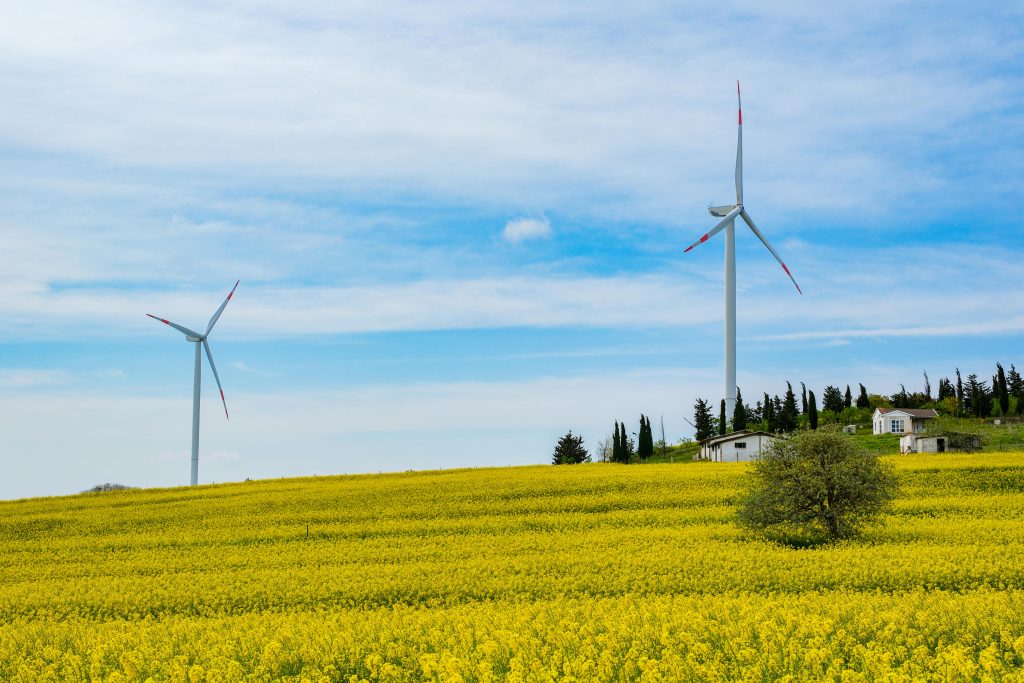
Reduction targets alone are not enough. What makes the real difference in the 2026 carbon agenda is how this target will be achieved.
Net-zero targets without reduction strategies are rapidly losing credibility in the eyes of investors. As of 2026, carbon data will not just be calculated; it will be audited, compared, and questioned.
Therefore:
Excel-based, manual calculations should be avoided
Centralized, trackable, and versionable software should be used
Calculation methodologies must be transparent and repeatable
Digital carbon management both reduces regulatory risk and saves time and resources.
3. Energy Efficiency: Consume Less, Earn More
One of the most critical steps in 2026 will be making our energy consumption smart and efficient. It is not just about upgrading equipment, but also about transforming our habits. For instance, using energy-saving technologies in offices or homes; following innovations like smart lighting systems and energy monitoring applications makes a big difference.
Let's not forget that energy efficiency does not just mean saving money, it also means lower carbon emissions. And this is a win-win situation for both the environment and the wallet.
4. Circular Economy and Waste Management
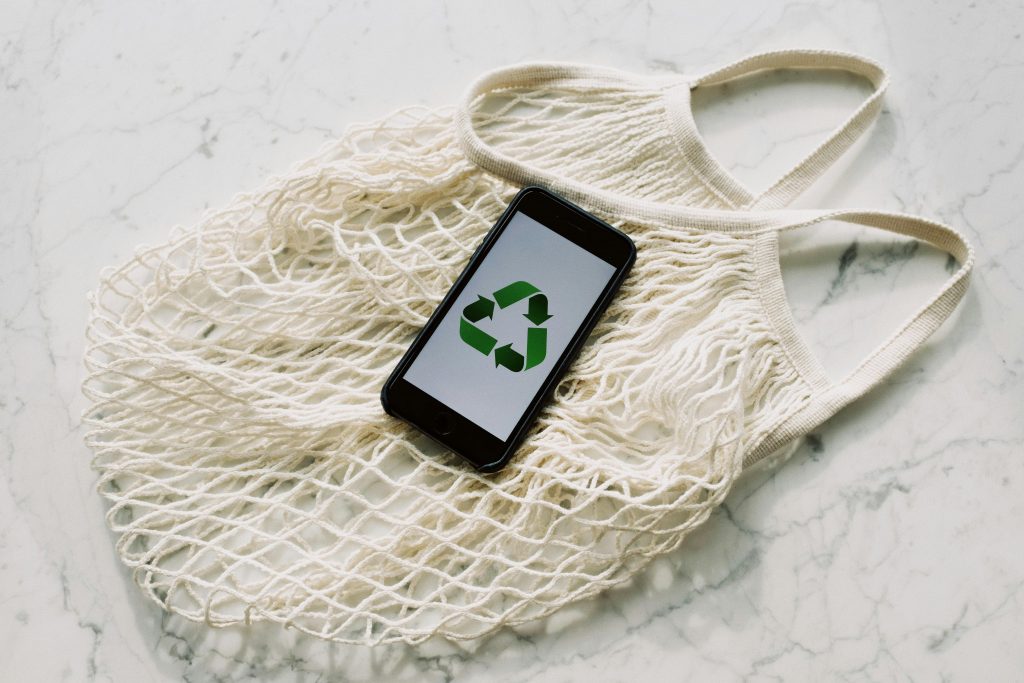
The way to reduce waste and use materials efficiently is through the circular economy. In 2026, recycling and reuse habits will solidify their place in all areas of life. While plastic use is minimized, innovative practices like turning organic waste into energy will increase. This approach not only protects the environment but also ensures the responsible and economic management of resources.
What is Changing?
The End of Traditional Production Models: The traditional "take-make-waste" production model is replaced by models where products are designed to be recyclable right at the beginning of their life cycle (design phase).
Plastic and Beyond: While plastic use is minimized, biodegradable packaging and the concept of "not waste, but secondary raw material" are becoming the new currency of trade.
Creating Value from Waste: Innovative practices, such as converting organic waste into energy (biogas) or high value-added compost, allow facilities to generate their own energy.
Digital Passports and Traceability: Information on what materials products are made of and how they will be recycled becomes transparent thanks to digital product passports. This means not only environmental success for firms but also raw material security and significant operational cost savings.
5. Social Awareness and Education
One of the cornerstones of the carbon agenda is raising social awareness. In 2026, sustainability training will be in the foreground, especially for the younger generation and the business world. Thanks to social campaigns, workshops, and digital platforms, everyone is aimed to contribute to this transformation. Training programs implemented through collaborations with universities, non-governmental organizations, and the private sector will make concepts like carbon footprint, climate risk, and responsible consumption more understandable and applicable.
Companies shaping the carbon agenda starting today with the right strategies will not only comply with regulations; they will also gain a competitive advantage, strengthen investor confidence, and increase their operational efficiency. Moreover, this transformation does not always have to start with large investments. Small but conscious changes, emissions calculated with accurate data, target-oriented reduction steps, and open communication built with stakeholders can create large and sustainable impacts over time.
As QuickCarbon, we allow processes to be tracked transparently with our user-friendly software that calculates and reports according to the ISO 14064-1:2018 Standard and GHG Protocol. You can also contact us to request a demo.
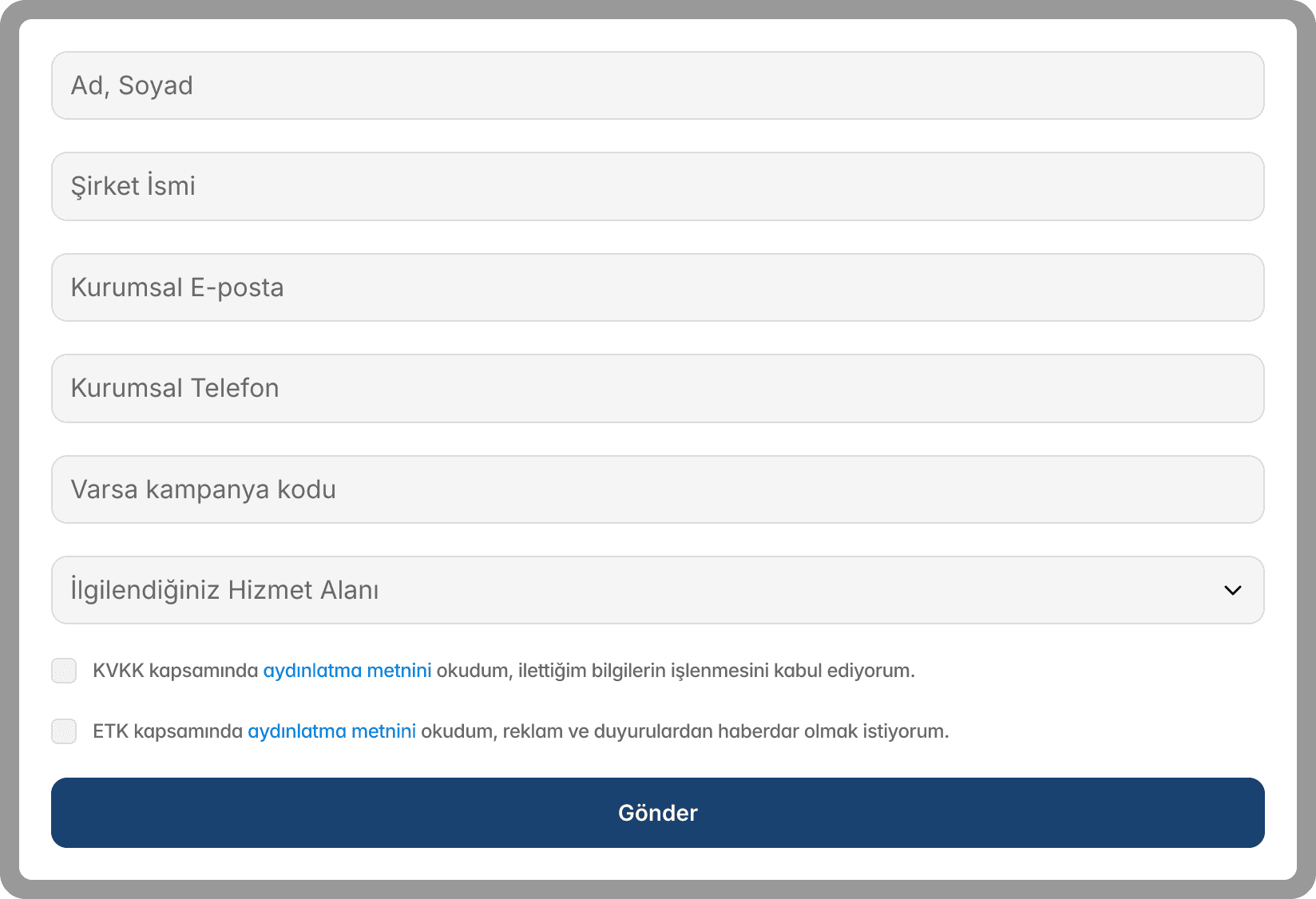
Get Started Now
Get in touch with us to get to know QuickCarbon better and to see how it can add value to your processes.
Contact Us