Go Back
What is Biodiversity?
Our planet has an extraordinary diversity of life, and all living things are connected to each other in some way. In fact, our world's biodiversity is so rich that some species have not even been discovered yet. However, due to human activities, many species are facing the risk of extinction. In other words, the possibility of biodiversity increasing in the future seems to be under threat.
What is Biodiversity?
Biodiversity is a term used to describe the variety of life on Earth. It includes every living thing, including humans, animals, bacteria, plants, and fungi, living in any region or ecosystem. As a result of research conducted by scientists, approximately 1.2 million species have been identified and described. Insects make up a large portion of these. However, it is estimated that 8.7 million species of life exist in the world. This means that only a small portion of the species living on Earth has been discovered so far, and the remaining large portion is still waiting to be discovered today.
Biodiversity is studied in three groups: genetic, species, and ecosystem diversity. Let's take a closer look at these:
The differences in the genetic structures of living things within a species are studied under genetic diversity. Living things within the same species survive by adapting to their environment. The development of different genetic traits by these living things to survive in different geographies can be shown as an example of genetic diversity.
The diversity and number of species in a specific ecosystem are studied under this category. Tree species in a forest or fish species in a coral reef are examples of species diversity.
Ecosystems consist of non-living entities such as water, air, and minerals, as well as living things such as plants and animals. For example, tropical forests and coral reefs are ecosystems.
Studying biodiversity on Earth at all levels is important for a better understanding of the evolutionary conditions, ecological and cultural processes that sustain life.
Why is Biodiversity Important?
The loss of biodiversity has many negative impacts, and this risk of decline has reached a more serious level than ever before. One of the biggest reasons for this is that humanity uses natural resources as if they were unlimited and does not take truly constructive steps to protect biodiversity. So, why is biodiversity important?
Effects on Ecosystems
Losing just one ecosystem does not lead to a major catastrophe for the planet, but it sets off a process that can cause serious problems. The disappearance of multiple ecosystems or the threat of ecosystems disappearing is a problem large enough to require urgent action. The decline of biodiversity in large habitats like forests and in metropolises leads to the weakening of ecosystems. Weakened ecosystems cannot meet human needs such as clean water, food, and medicine.
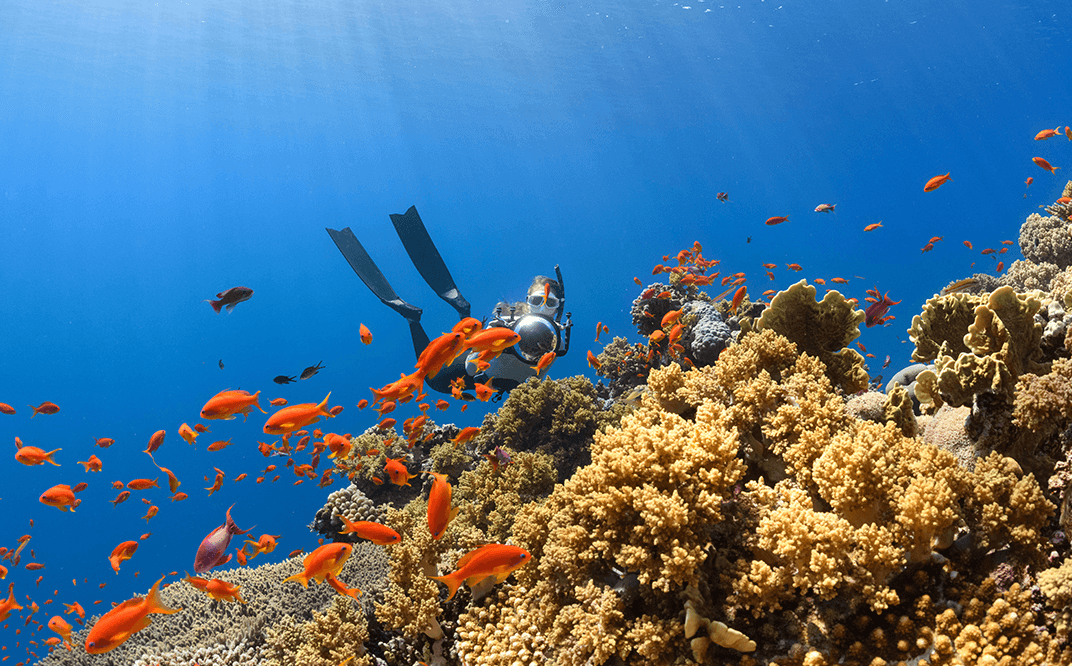
For example, the Great Barrier Reef in Australia, the world's largest coral reef, consists of about 2,500 individual reefs. This incredible ecosystem is home to more than 1,500 fish species, over 400 coral species, and 4,000 mollusk species. Additionally, countless marine creatures and bird species live in the reef. However, factors such as rising sea water temperatures, overfishing, pollution, and coastal development pressure cause coral bleaching and mortality rates to increase. Consequently, biodiversity in the Great Barrier Reef has come under serious threat. Of course, this situation did not only affect biodiversity. Tourism, which is a major source of income for the Australian economy, was also negatively impacted, and people operating in this sector became unable to meet their needs. In short, taking conservation steps to ensure the sustainability of this wonderful biodiversity is highly important.
Effects on Human Health
As natural life is destroyed, biological diversity is disrupted, and this increases the risk of epidemic diseases. To date, approximately 70% of the viral diseases that have spread have passed from animals to humans. The most fundamental reason for this is that development projects go deeper into tropical forests, increasing human interaction with wild animals. This increases the likelihood of humans contracting diseases carried by wild animals. Indeed, the COVID-19 pandemic remains fresh in our memories as one of the most painful examples of this. The COVID-19 pandemic did not only remain an infectious disease threatening human life; it also damaged the global economy, causing a decline in the welfare of societies. Consequently, damage to nature, ecosystems, and biological diversity means that human health and well-being are also disrupted.
Effects on Climate
Protecting biodiversity plays an important role in reducing carbon emissions. For example, 11% of human-caused greenhouse gas emissions result from the destruction of forests. Therefore, protecting plants and trees that store carbon in their tissues means fewer greenhouse gas emissions. In addition, forest and wetland ecosystems act as an important buffer in preventing extreme rainfall, storms, and floods caused by climate change. A study published by Conservation International in 2017 showed that 30% of the targeted carbon emission reduction by 2030 could be met by nature.
Effects on Economy
Biological resources make up a significant portion of the world economy. Indeed, today at least 40% of the world economy and approximately 80% of the needs of the poor are met by biological resources. Today, the livelihoods of millions of people depend on biological diversity and nature. For this reason, failing to take the necessary steps to protect biodiversity and destroying high-biodiversity ecosystems for the sake of economic sustainability can lead to losses of millions of dollars in many sectors.
Effects on Culture and Identity
All major religions use natural elements and species as symbols. This is also true for cultures and national identities. In fact, in today's world, 231 species have been chosen as official national symbols in 142 countries. However, more than 30% of these 231 species are threatened today. The disappearance of these species could lead to the disappearance of religious symbols, cultural narratives, and national identities. Looked at from this framework, the protection of biodiversity also means the preservation of religious symbols, cultures, and identities.
What Can Be Done to Protect Biodiversity?
Protecting biodiversity is generally thought of as a concept on a global scale rather than through individual efforts. In fact, this is true in a way. This is because steps taken globally can make significant contributions to the protection of biodiversity. However, this does not mean that there are no things you can do individually to protect biodiversity. Here are some of the steps you can take to protect biodiversity:
You Can Adopt Sustainable Agricultural Practices
Adopting sustainable agricultural practices is one of the keys to protecting biodiversity. Farmers who stop using chemicals and shift to methods such as "Integrated Pest Management (IPM)" offer consumers high-quality products free of harmful chemicals. Therefore, using organic farming methods to preserve the natural structure and fertility of the soil, and managing water resources correctly with methods like drip irrigation or rainwater harvesting contribute to the continuation of sustainable agricultural practices. If you are involved in farming, you can stay away from harmful chemicals and adopt agricultural practices that protect biodiversity.
You Can Support the Protection of Bees
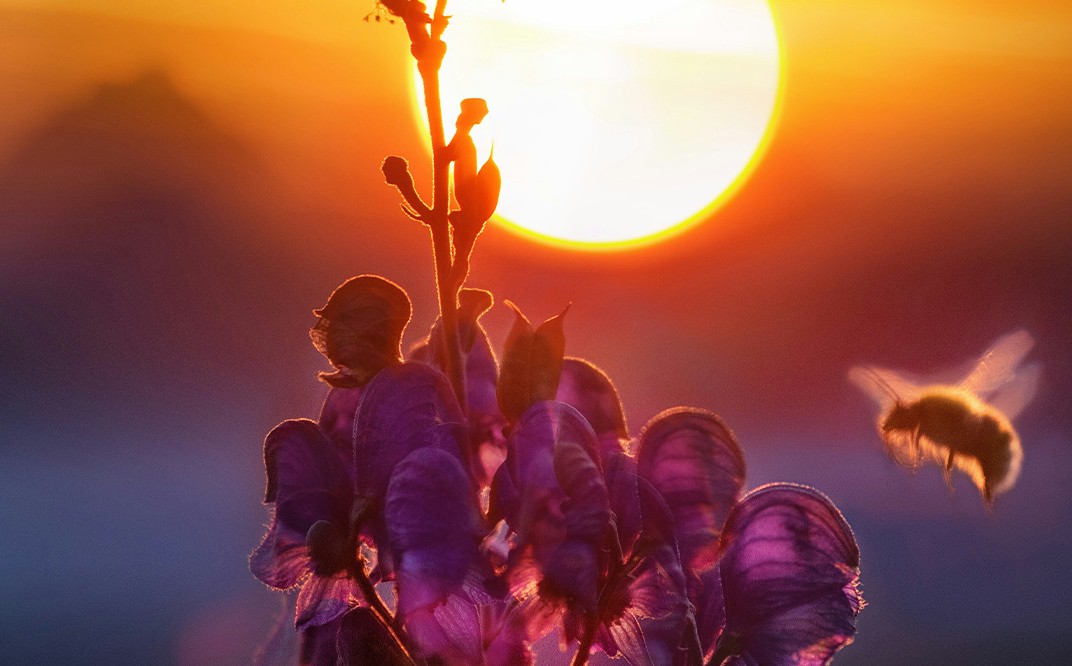
Bees are of vital importance for the continuation of ecosystems and biodiversity. Each of them plays an important role in the reproduction of many plant species and the support of agricultural production. Unfortunately, bee populations are under serious threat today. Yet, some small things everyone can do can help bee populations multiply again. Outstanding steps among these touches include:
Planting nectar-producing wildflowers to create a suitable habitat for bees and ensure they consistently find food,
Building bee boxes to help bees maintain their colonies,
Avoiding the use of harmful chemicals such as pesticides,
Organizing public education programs and awareness campaigns for the protection of bees,
Fighting against parasites known as varroa mites, which are considered the biggest threat to bee colonies.
The protection of bees ensures that the natural balance is also maintained, making it possible for future generations to live in a much healthier environment.
You Can Practice Water Conservation
Freshwater resources in our world are not unlimited. The survival of ecosystems and living species also depends on these limited water resources. For this reason, even just saving water is a serious contribution to the protection of biodiversity. Some of the measures you can take to save water include:
You can shorten your shower times,
You can prevent water from running unnecessarily while washing hands and dishes, or brushing teeth,
You can opt for low-flow models for showerheads and faucets,
With the help of greywater treatment systems, you can treat household wastewater and use this water for activities like watering gardens,
You can repair water leaks if any exist.
You Can Help Protect Local Ecosystems
Outdoor activities, which have become particularly popular in recent years, can cause damage to local ecosystems. This represents a serious threat to the species in that area. When participating in outdoor activities like hiking, it is beneficial to pay attention to these important points to protect biodiversity:
Follow the rules in natural areas,
Collecting local plant species can both lead to a decline in their population and harm the diet of other living creatures. For this reason, show respect to local plant species,
Educate your children and pets about nature and biodiversity,
Collect waste in nature and do not leave trash behind,
Become an environmental volunteer in environmental protection organizations to work on tasks such as cleaning natural habitats, planting and propagating local plant species.
You Can Support Local Agriculture and Check for Sustainable Products
You should pay attention to every product you purchase to protect biodiversity. This is because some producers might take steps that harm biodiversity while preparing their products. Some actively operating communities investigate whether the products or services you buy contribute to the destruction of habitats. By following labels like these, you can question the source of the products you consume and turn into a conscious consumer regarding the protection of biodiversity.
In addition, by shopping from local producers, you can reduce your carbon footprint associated with logistics. Since shopping from local producers keeps money in the local economy, it also creates funding for sustainable agricultural practices.
Threats to Biodiversity
Threats to biodiversity are examined in 5 groups: habitat destruction, climate change, pollution, overconsumption, and hunting. Combating these threats and reducing these threat factors will contribute to the enrichment of biodiversity. Let's briefly explain these factors that threaten biodiversity:
Habitat Destruction
We can briefly describe habitat destruction as the damage to natural habitats resulting from human activities. With the disruption of ecosystem functioning, the chances of survival for plants and animals also gradually decrease. One of the most important factors causing habitat destruction is deforestation, mostly due to urban expansion and the need for timber. One of the most distressing examples of deforestation is the destruction of large forest areas on the islands of Borneo and Sumatra for palm oil production. This has led to the narrowing of habitats, especially for species like orangutans.
The daily encroachment on natural habitats due to urban development needs is among the factors causing habitat destruction. This situation, which negatively affects both terrestrial and aquatic ecosystems, can cause wetlands to dry up. The conversion of natural habitats into agricultural fields and mining activities can also be shown as examples of habitat destruction.
Climate Change
Global warming creates negative effects on ecosystems and biodiversity. Many species can only survive within a specific temperature range. Temperatures going outside this range threat the lives of many species. Similarly, rising sea levels due to warming negatively affect both marine and coastal ecosystems. Many ecosystems are damaged, including forests, salt marshes, and coral reefs. The flooding of nesting sites of sea turtles is one of the bad examples of rising sea levels.
Climate change also causes extreme weather events to occur. Natural disasters such as hurricanes, floods, droughts, and forest fires disrupt the functioning of ecosystems. For example, ecologically devastating wildfires in Australia in 2019 killed millions of animals and released 350 million tons of carbon dioxide into the atmosphere. Similarly, with glaciers starting to melt, the habitats of polar bears have also shrunk significantly.
Pollution
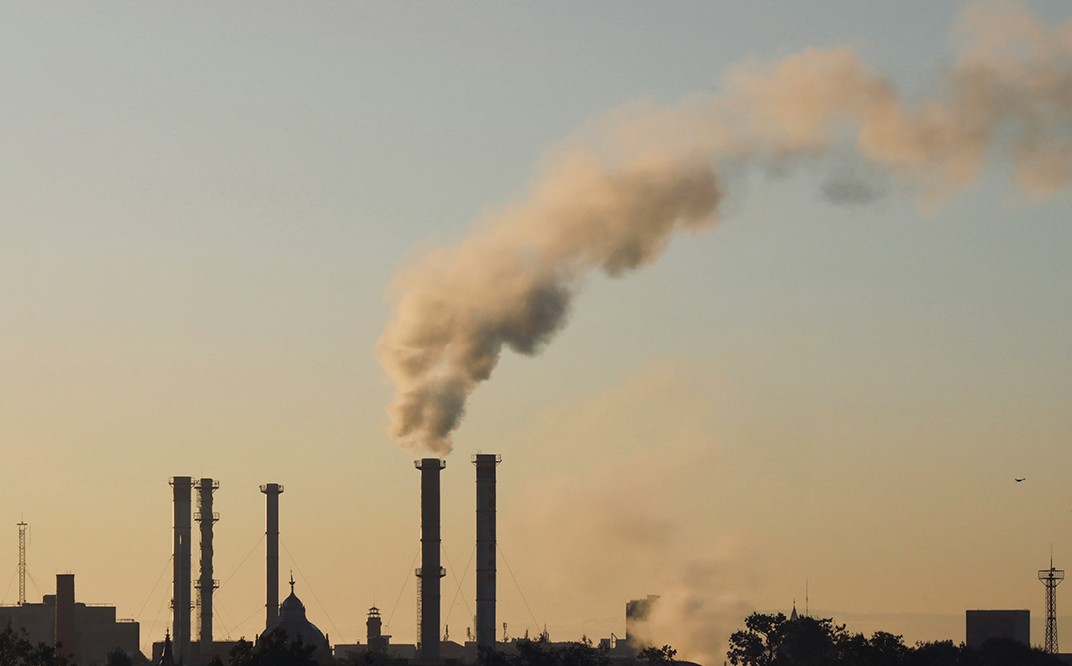
Water, air, and soil pollution pose a major threat to biodiversity. The contamination of water resources with heavy metals and chemicals presents a risk not only for aquatic life but for all living things. Industrial wastes and chemicals used in mining activities can cause toxin accumulation in some species, reducing reproductive success. Air pollution, containing toxic gases and leading to acid rain, damages both vegetation and water resources. Since the photosynthetic capacity of plants will also decrease, forest ecosystems are damaged as well.
Plastic pollution, which is one of the biggest dangers for our world, poses a serious threat, especially to aquatic species. Due to microplastic consumption, both the health and continuity of species of aquatic life and seabirds are threatened.
Overconsumption
Today, our world's natural resources are being consumed at unsustainable levels. The primary reasons for this are increased excessive logging due to mining activities and urban development, the reduction of forest areas due to land clearance for agriculture and settlement, and the overexploitation of water resources. The major shrinkage of the Amazon rainforest and the drying up of the Aral Sea are serious consequences of overconsumption.
Hunting
Overhunting and poaching threaten the populations of many marine and terrestrial creatures. For example, species like the bluefin tuna have suffered a serious population loss due to overfishing. Since the reduction of specific populations also has negative impacts on the food chain, it disrupts the functioning of the marine ecosystem. This means biodiversity is harmed. Similarly, the poaching of rhinoceroses for their horns and elephants for their tusks also risks the continuity of these species.
We Must Protect Biodiversity for a More Livable World!
The failure to protect biodiversity damages the ecological balance of the world. Over time, this situation can make the world unlivable not only for endangered species but also for us. However, it is possible to protect biodiversity both with individual efforts and through preventive measures to be taken by governments. Sustainable agricultural policies and measures that reduce carbon footprints, such as minimizing plastic production and consumption, are important for protecting biodiversity.
As QuickCarbon, we offer a solution that allows you to calculate and report your corporate carbon footprint according to the ISO 14064-1:2018 standard and the GHG Protocol using our user-friendly software. You can contact us immediately to start calculating your corporate footprint and develop strategies to reduce your carbon footprint and support the preservation of biodiversity.

Get Started Now
Get in touch with us to get to know QuickCarbon better and to see how it can add value to your processes.
Contact Us