Go Back
What is the Circular Economy Model?
In the traditional economic model, a product made from raw materials is purchased by the consumer and is discarded after completing its life cycle. Once it becomes waste, the product is no longer on the agenda. However, from a sustainability perspective, wastes need to be tracked and recycled. Single-use products cause serious harm not only to humans but also to the environment. This model, which describes the vast majority of current economic systems, is not sustainable. This situation can be prevented by using products less and for a longer period of time, and by recycling those that have completed their life cycle. The circular economy model, which attempts to prevent future generations from experiencing resource scarcity, also starts from this point. Let's examine the circular economy model in detail.
What Does the Circular Economy Model Mean?
People purchase various products for purposes such as meeting their basic needs, having fun, and raising their living standards. The process starting with the production of products from raw materials continues with purchase and use, and ends with discarding the product after it completes its life cycle. This system, called the linear economy, causes future generations to experience resource scarcity, environmental pollution, global inequality, and waste. The circular economy model, on the other hand, is a concept aimed at the sustainable use of resources.
Thomas Malthus, an English economist who lived in the 18th century, argued that the arithmetic increase of food resources and the geometric increase of the population would cause a food crisis. The World Health Organization's "The State of Food Security and Nutrition in the World – 2024" report provides data confirming Malthus' claims. According to the report, between 8.9% and 9.4% of the world's population had to face hunger in 2023. These figures mean that between 713 and 757 million people faced famine. While the proportion of people affected by global hunger was 7.5% in 2019, it is observed that this rate rose to 9.1% in 2023.
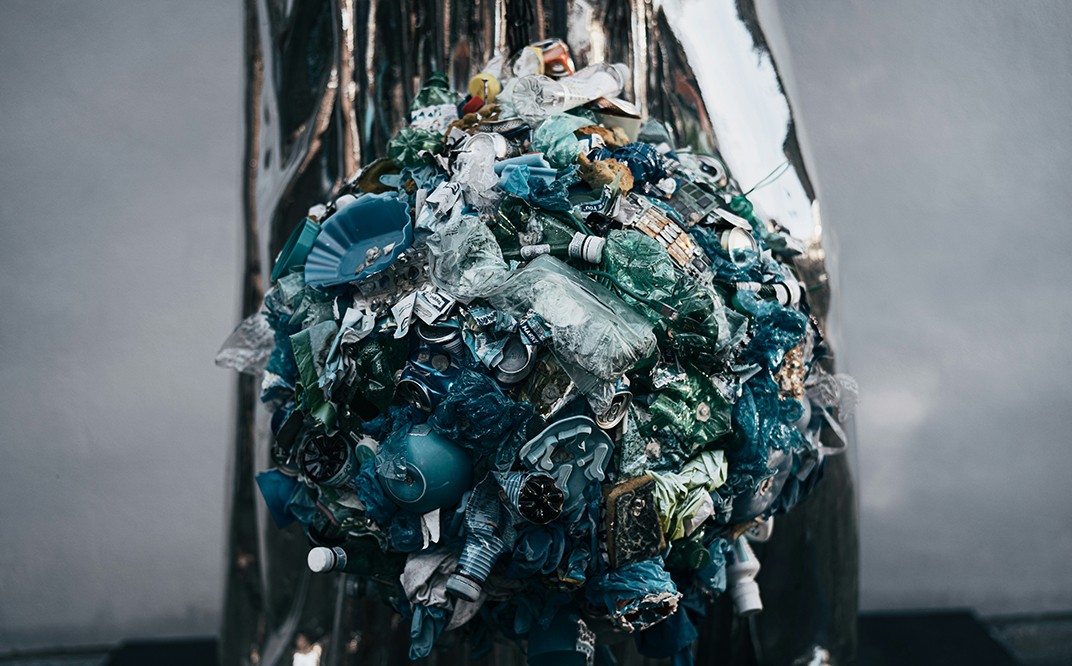
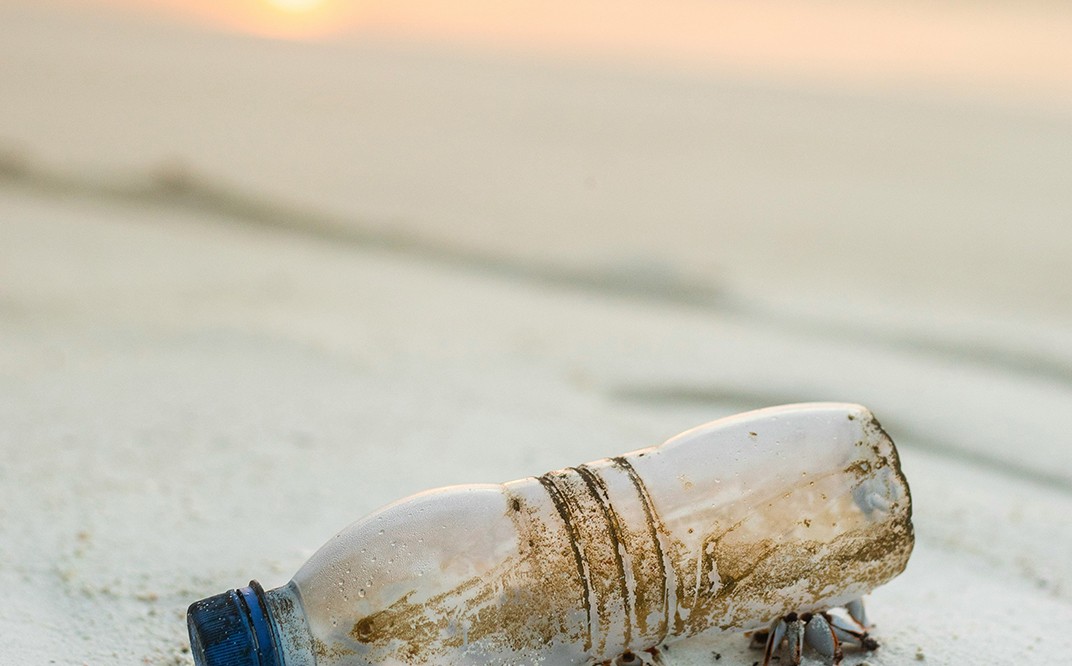
According to data presented by the United Nations, approximately 11 million tons of plastic have been dumped into the oceans every year since 2016. 1.4 million people lose their lives due to water pollution. Global temperature rise due to reasons such as the wrong evaluation of resources and fossil fuel use causes extreme weather events such as floods, hurricanes, and typhoons. Additionally, sea levels are rising, ocean acidity is increasing, and severe forest fires are occurring.
The circular economy model, which is hoped to be a solution to problems concerning all humanity, especially global inequality and temperature rise, has three core principles: Eliminate waste and pollution, circulate products and materials at their highest value, and regenerate nature.
What Does the Circular Economy Model Propose?
The circular economy model proposes a three-stage plan to implement these principles:
Reduce: Reducing resource use in production processes and utilizing existing resources consciously can minimize the damage caused to the environment. By avoiding unnecessary use in consumption processes, the amount of waste and pollution can be reduced.
Reuse: Instead of manufacturing products from scratch, already used products can be re-evaluated. A product that has completed its life cycle can be used for different purposes. Examples of reuse include refilling a bottle with water instead of throwing it away when finished, or utilizing old clothes as cleaning rags, and plastic bottles as flower pots.
Recycle: Products that have lost their function can be converted into raw materials to manufacture new products. The recycling process serves both to reduce waste and to protect resources.
Benefits of the Circular Economy Model
According to the World Economic Forum, "The production and consumption of goods are among the main causes of climate change and biodiversity loss. It is imperative that we transition to a circular economy that keeps goods and products in circulation as long as possible." According to the data in Circle Economy Foundation's 2024 report, the proportion of secondary materials consumed in the global economy is only 7.2%. From this data, it can be concluded that approximately 92% of the products currently on the market are produced for single-use.
The circular economy model has the following advantages over the unsustainability of the current system:
Efficient Use of Resources
Thanks to the correct use of existing resources, the damage caused to the environment can be mitigated. Biodiversity can be restored, and global warming can be controlled. Practices such as sustainable agriculture and transition to renewable energy can help the ecosystem heal itself.
Reduction of Waste and Pollution
Thanks to remanufactured or recycled products, the amount of global waste can be minimized. Thanks to the circular economy, global greenhouse gas emissions can be significantly reduced. In this way, an important step can be made in the fight against climate change.
Creating Sustainable Business Models
Sustainable business sectors can be created with the circular economy model, which allows opportunities for innovative ideas. A better world can be left to future generations both in terms of environment and resources. According to a study conducted by McKinsey & Company, the circular economy can provide a net economic gain of 1.8 trillion euros per year by 2030.
Alignment with Consumer Demands
By increasing social awareness, the number of conscious consumers who respect both themselves and nature can be increased. The conscious choices of consumers can direct businesses toward sustainable practices. Since the circular economy is a global phenomenon, it can create cooperation opportunities worldwide.
How to Transition to the Circular Economy Model?
The circular economy model is a system considered as a replacement for the linear economy. It does not aim to completely eliminate the linear economy, expressed by the "take-make-waste" model; rather, it aims to transform it in a way that minimizes waste and pollution, uses materials long-term, and regenerates nature. The World Economic Forum proposes three stages for the transition to a circular economy that takes into account the welfare of not only today's society but also future societies:
Measure: Governments and businesses should record their progress in transitioning to a circular economy. In this way, it can be determined how much progress has been made in which areas, and innovative ideas can be put forward in areas deemed lacking.
Take Action: In the agenda prepared by PACE, action methods were determined in five different focal areas. For those who do not know where to start, nearly 80 inspiring circular economy practices are listed on PACE's website.
Build Teams and Scale: Working with governments or businesses pursuing the same goal can make things easier. Thanks to working in a coordinated manner and scaling the work, the system does not need to be re-established with the participation of new members. This can ensure growth and development.
The Role of Businesses in the Circular Economy Model
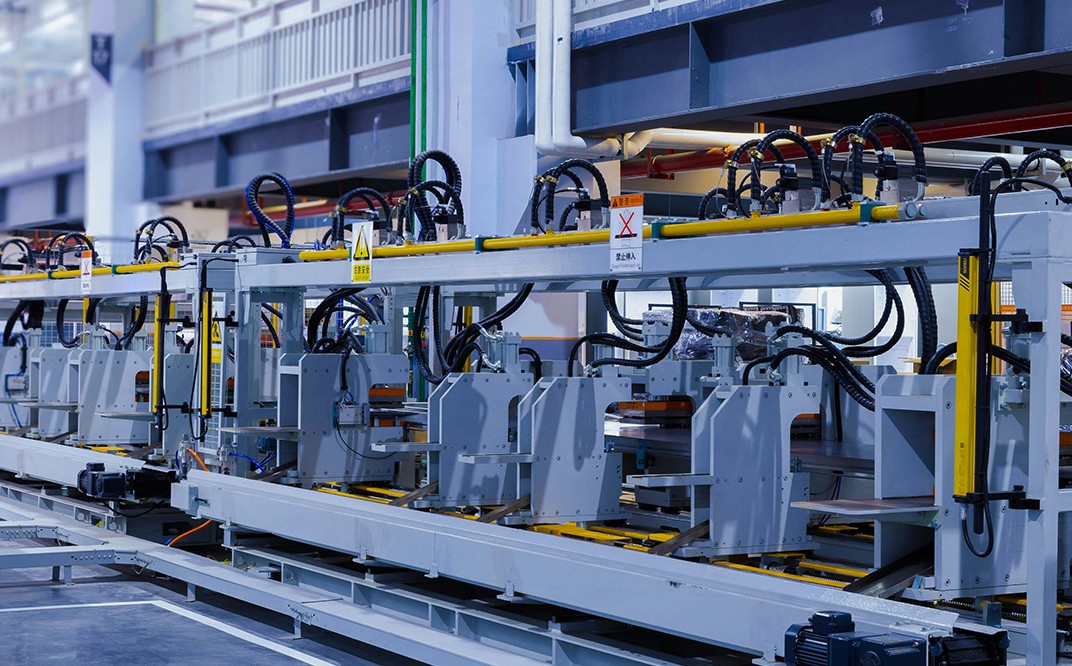
Businesses, which produce more than governments, play a highly critical role in the transition to the circular economy model. Extending the service life of products already produced, taking them back after completing their life cycle, and recycling and remanufacturing them are among the methods that can be preferred for reducing waste. Particularly, plastic, textile, electronics, food and biomass, battery and vehicles, construction and demolition waste, packaging and packaging waste industries have been prioritized in the transition to the circular economy.
In product designs, modular structures that will extend the service life and provide expanded utility can be preferred. By following a systemic perspective, resources can be used sparingly. Accelerating the transition to the circular economy model can be achieved by creating opportunities for cooperation with actors in both the public and private sectors to increase transparency. It can be beneficial to work in harmony with digital technology to monitor resource use and record all stages of the production process.
If you also want to make your business sustainable and transition to the circular economy model, you can use our QuickCarbon software. You can calculate your business's carbon footprint according to the ISO 14064-1:2018 Standard and GHG Protocol principles, and prepare reports. Thanks to our user-friendly software that features web-based access and secure data storage, you can process your data supported by multi-functional graphics and take the necessary steps to make your business compatible with the circular economy model.
Get Started Now
Get in touch with us to get to know QuickCarbon better and to see how it can add value to your processes.
Contact Us