
Go Back
How to Reduce Your Carbon Footprint?
Ordinary activities carried out during the day, such as eating or taking a shower, and the activities of various companies and institutions can cause quite serious damage to the environment. In particular, the increase in the amount of carbon released into the atmosphere as a result of production activities carried out by companies causes the world to warm up a little more each day. For this reason, it is necessary to take steps as soon as possible to reduce the carbon footprint. Even small changes made by individuals and companies can make a big difference in this regard.
What is Carbon Footprint?
The amount of total greenhouse gas (GHG) emissions released into the atmosphere as a result of the production of a product or the activities of people and institutions is called the carbon footprint. While energy use in homes, food, transportation, and similar activities constitute the individual carbon footprint, the amount of carbon released directly or indirectly into the atmosphere as a result of a company's activities constitutes the corporate footprint. The larger the carbon footprint, the greater its negative impact on the environment.
Carbon footprint is calculated by summing the emissions generated at each stage of the life cycle of a product or service (such as material production, manufacturing, use, and end-of-life).
How to Reduce Carbon Footprint?
According to estimates by the United Nations, the world population is expected to reach 9.8 billion by 2050 and exceed 11 billion by the end of this century. This will consume the world's natural resources on one hand, and cause carbon emissions to increase on the other. As a result, it is likely to trigger climate change and give rise to very serious problems that could threaten humanity. The first step that can be taken to reduce the carbon footprint is to recognize the carbon footprint and be aware of its environmental impacts.
The measures that individuals and institutions will take today are important in terms of reducing the carbon footprint and ensuring environmental sustainability. Therefore, individuals and institutions have certain duties regarding the reduction of the carbon footprint.
How to Reduce Individual Carbon Footprint?
Individual measures to be taken regarding food consumption, clothing choices, transportation methods, and energy use can be steps that can make a big difference, even if they seem small. Therefore, you can consider the following suggestions to reduce your individual carbon footprint:
Food
The impact of food choices on the climate is now a known fact. Today, approximately 60% of greenhouse gas emissions related to food production stem from meat production. The share of meat production within all global emissions is 35%. Some factors, such as microbial fermentation of ruminants or the use of machinery to transport feed, cause carbon emissions to increase. Therefore, limiting the consumption of beef in particular is extremely important.
Consuming local and seasonal products, choosing fish caught through sustainable fishing methods, using recyclable shopping bags, composting food waste or placing it in waste bins, and shopping in line with needs to prevent waste are among other individual measures you can take to reduce food-related carbon emissions.

Transportation
Although driving a car is the most frequently used method for transportation, unfortunately, it does not help reduce carbon emissions. Therefore, walking for short distances, using public transport, riding a bicycle, or choosing carpooling instead of multiple vehicles if you are traveling to the same place with others is a much more environmentally friendly approach.
Clothing
Focusing on what is truly needed when buying clothes can be an important step in this regard. Repairing damaged clothes instead of buying new ones, visiting second-hand clothing stores, swapping, renting, or buying clothes made from recycled materials can help reduce carbon emissions.
Energy Use
Air conditioning accounts for 4% of global greenhouse gas emissions and 40% of energy-related greenhouse gas emissions. You can contribute to reducing carbon emissions even by just slightly lowering the performance of the heating or cooling systems you use. Adjusting your thermostat 1 degree lower in winter and 1 degree higher in summer reduces your annual carbon footprint by 340 kilograms.
Keeping electronic devices turned off when not in use, installing solar panels, keeping devices that require continuous power connected to a single outlet, turning off lights when leaving a room, choosing energy-efficient appliances, and using insulation systems are also among other steps that can be taken to reduce energy consumption.

How to Reduce Corporate Carbon Footprint?
Reducing corporate carbon footprint protects the planet's health while also shifting the future of companies to a brighter position. Producing innovative technologies, strengthening company reputation, attracting the interest of investors, and obtaining votes of confidence from financial companies are possible by reducing carbon emissions. Measures that can be taken for companies to achieve long-term success and support reaching net-zero carbon emission targets can be listed as follows:
Use of Renewable Energy
According to data announced by the International Energy Agency, the use of renewable energy increased by 10% in 2022, which is an encouraging indicator. In the same year, capacity also broke a record with 295 gigawatts. Estimates also show that up to 90 percent of the world's electricity will be obtained from renewable energy sources by 2050.
Renewable energy sources such as wind, solar, and hydroelectric produce zero or very low amounts of greenhouse gas emissions. Furthermore, since it will reduce dependence on fossil fuels, it can also contribute to preventing air pollution. In addition to using renewable energy sources to carry on their activities robustly, companies can also use carbon management software.
Offsetting Carbon Emissions
Every ton of carbon absorbed from the atmosphere ensures the offsetting of carbon emissions. Therefore, companies need to invest in projects that will enable the sequestration of greenhouse gases from the atmosphere. For example, any company investing in a project where trees that absorb carbon from the atmosphere will be planted is one of the most accurate moves to offset carbon emissions.
Increasing Energy Efficiency
Businesses saving money by using less energy ensures energy efficiency. This in turn supports the reduction of carbon emissions. Using energy-efficient appliances within the company, switching to more efficient lighting options, and installing solar panels can be shown among the actions to be taken for energy efficiency. Additionally, you can select the suppliers you work with for your company from among suppliers that have carbon footprint reduction targets.
Reducing Waste
Production activities cause a great deal of waste generation on a global scale. One of the steps that can be taken to reduce waste is to recycle these wastes to protect natural resources. Similarly, using eco-friendly packaging and increasing production efficiency also support the reduction of waste and, consequently, carbon emissions.
Why is Reducing Carbon Footprint Important?
Preventing the environmental impacts of carbon emissions is important for protecting human health as well as ecosystems and species on earth. Some benefits that can be achieved by reducing the carbon footprint can be listed as follows:
The severe impacts of climate change can be reduced. For example, the decrease in extreme weather events and the increase in air and water quality both increase the quality of life and reduce adverse effects on health.
Investments in low-carbon technologies increase energy efficiency and make positive contributions to the global economy. In addition, with the decrease in health problems related to air and water pollution, the pressure and economic burden on healthcare systems also decrease.
Climate change linked to carbon emissions threatens plant and animal species by disrupting ecosystems. The reduction of carbon emissions means preserving the ecological balance. This in turn increases the chances of survival for species.
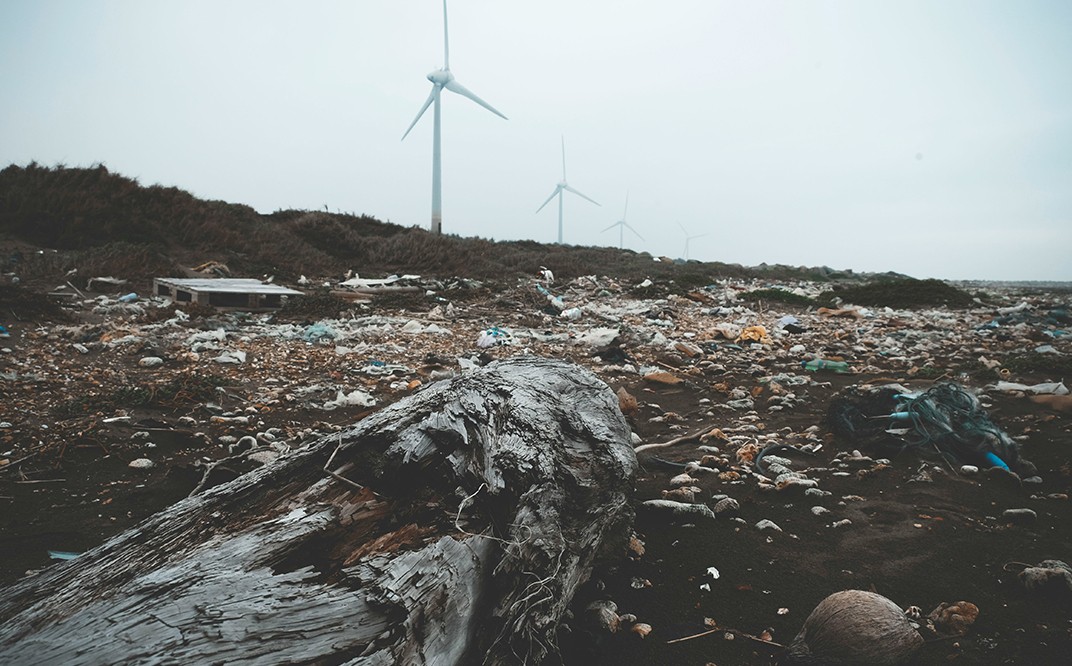
The oceans absorb approximately 30% of the carbon released into the atmosphere. As a natural consequence of this, oceans acidify and the balance of marine ecosystems is disrupted. For instance, coral bleaching occurring in certain regions is caused by ocean acidification.
The melting of glaciers in the poles is also linked to the increase in the amount of carbon in the atmosphere. Due to global warming, the melting of glaciers has caused sea levels to rise and, at the same time, arctic sea ice to decrease significantly since 1979. By reducing carbon emissions, risks such as the destruction of habitats of plant and animal species due to the melting of sea ice and damage to coastal habitats can be eliminated.
Make Your Business Sustainable While Protecting the Planet!
Reducing carbon emissions to fulfill your environmental responsibility not only supports keeping the world a livable place, but also increases the sustainability and competitiveness of your business. Therefore, to develop the right strategies, you first need to calculate your corporate footprint. You can calculate your corporate carbon footprint with our user-friendly QuickCarbon software, which allows you to calculate and report according to the ISO 14064-1:2018 Standard and the GHG Protocol, and you can take the most accurate steps for a more sustainable future.
Get Started Now
Get in touch with us to get to know QuickCarbon better and to see how it can add value to your processes.
Contact Us