Go Back
Tactics for You to Reduce the Carbon Footprint of Offices
To leave a livable World for future generations, it is important for individuals and companies to be aware. To reduce environmental impacts, office workers should use low carbon footprint alternatives in their activities. These alternatives range from utilizing energy-efficient appliances to choosing sustainable transportation alternatives. Let's take a closer look at the business activities you can conduct in the office to lower your carbon footprint.
What is a Carbon Footprint and Why Should It Be Reduced?
As a result of production and consumption activities in various sectors, greenhouse gases are emitted into the atmosphere. This total amount of greenhouse gases, consisting of gases such as carbon dioxide, methane, and nitrous oxide, represents the carbon footprint of an individual or business. Greenhouse gas emissions can be directly or indirectly included in the carbon footprint. For example, greenhouse gas emissions from fossil fuels used for production, heating, and transportation purposes are direct. Emissions from electricity used to produce consumed products and services are indirect.
Carbon footprint is usually expressed as the annual amount of carbon dioxide emissions or an equivalent metric. The average carbon footprint per capita worldwide is about 4 tons. This rate is higher in countries like the USA, where industrial production and consumption levels are high. Studies show that for the global temperature to remain below 2°C, the average carbon footprint must fall below 2 tons worldwide by 2050. To achieve this goal, both individuals and companies need to plan some sustainability practices by fulfilling their own responsibilities. It is possible to start making a big difference for environmental sustainability by making small changes at home or in the office.
Things That Can Be Done to Reduce Carbon Footprint in Offices
To combat global warming and protect the future, various measures can be taken to contribute to sustainability in the office. Properly optimizing the common areas of office workers and employees implementing sustainable practices individually can help reduce the carbon footprint.
Using Energy-Efficient Electronic Devices
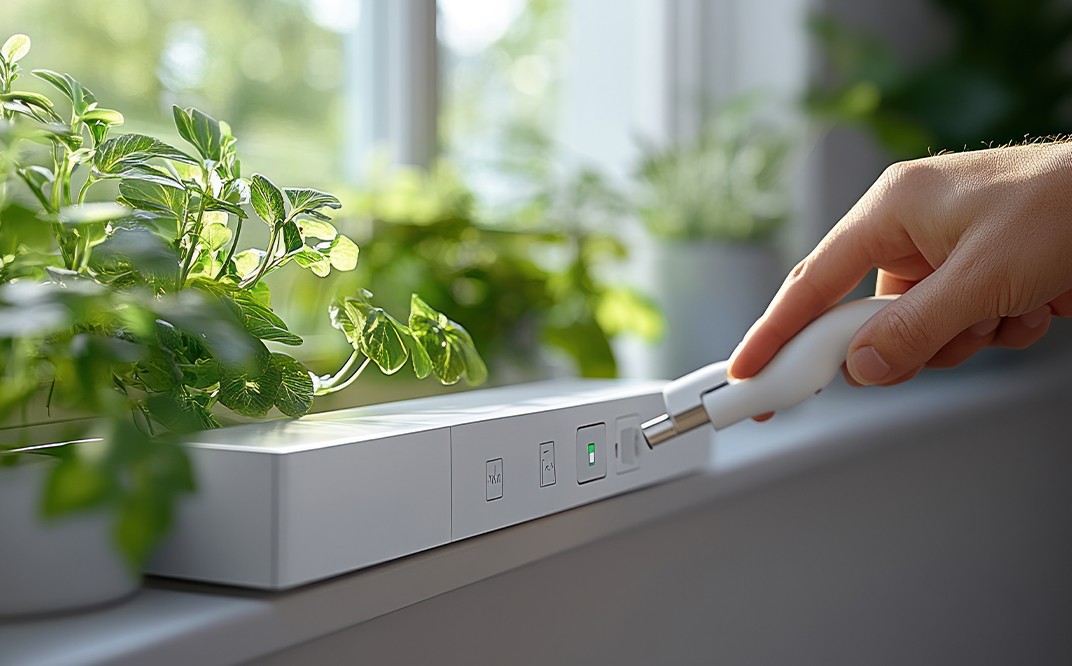
Much of the equipment used in offices can consume a significant amount of energy, leading to an increase in the carbon footprint. Therefore, using energy-saving equipment can support the reduction of factors causing greenhouse gas emissions in the office. When choosing equipment, models with high energy classes that offer saving opportunities can be preferred. Since electronic devices will continue to consume energy as long as they are connected to electricity even if they are not running, unplugging electronic devices when they are not in use can also be a step taken in this direction.
Turning to Renewable Energy Sources
Turning to renewable sources to run devices in the office and provide the energy needed to heat the workspace can make a big difference in the amount of greenhouse gases emitted into the atmosphere. For example, green energy sources such as solar panels can be preferred instead of electricity or natural gas. Panels convert solar rays into electrical energy, serving as a low-cost energy source in the workplace. These green energy sources help shrink the carbon footprint.
Optimizing Heating and Cooling Systems
To lower carbon emissions, you can improve the thermostat and filter sections of the heating and cooling systems in the office. For this, programmable thermostats can be used, thermostat filters can be cleaned regularly, and energy-saving HVAC (heating, ventilation, and air conditioning) systems can be used. It is possible to reduce energy consumption by about 30% with regularly maintained HVAC systems.
Making Office Lighting Efficient
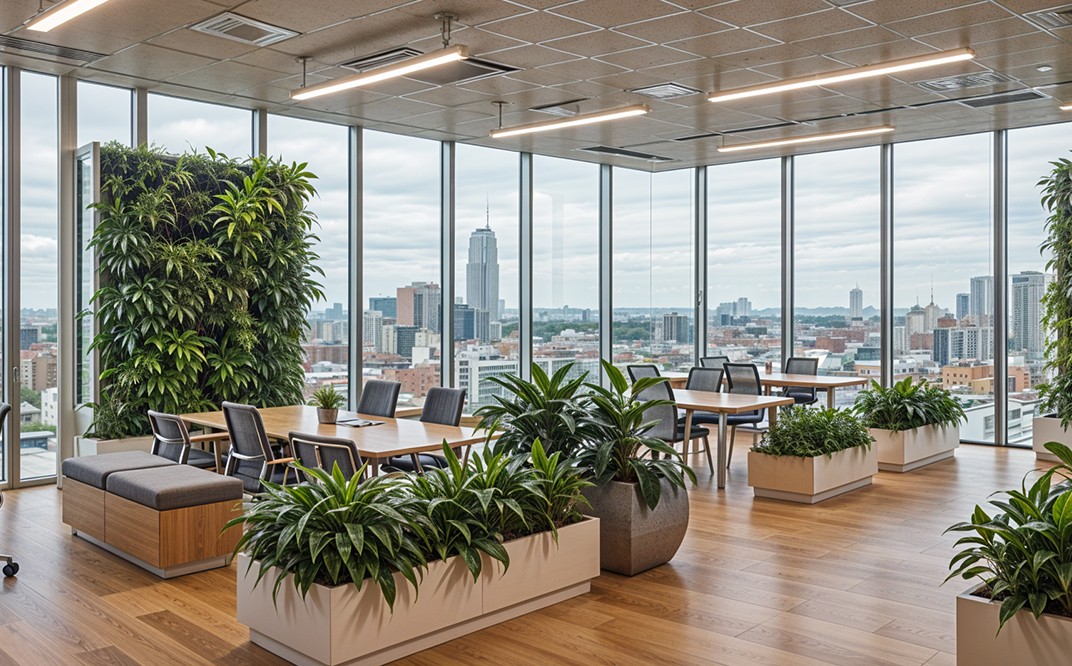
The light bulbs and fixtures used in lighting consume a high level of energy. Instead of these lighting tools, alternative options that offer energy efficiency such as LED lights can be prioritized. This way, you can achieve significant energy savings in the long run and reduce the lighting costs of the office. In addition, arrangements should be made in a way to benefit from natural light at the maximum level. Providing the right lighting system and positioning in the office is one of the important steps to be taken. Desks can be set up in spots that receive good light and are easy on the eyes, curtains blocking the passage of light can be removed, or if possible, windows can be enlarged.
Saving Paper

Cutting down trees to produce paper not only harms forests but also leads to an increase in greenhouse gas emissions. With the advancement of technology, there are alternatives that can be used instead of paper today. For example, office workers can be encouraged to turn to cloud-based data storage systems instead of paper. While these systems offer flexible working opportunities to employees, they also provide efficiency in terms of energy and resources.
Reducing Kitchen Waste
Wasting food or materials used in the kitchen is among the factors that lead to an increased carbon footprint. It can be beneficial to limit food and beverages consumed in the office to the number of people and shop accordingly. Choosing reusable products instead of single-use paper or plastic cups is just as important. Since fossil-fueled vehicles are used to transport food products sourced from distant regions to the consumer, choosing food provided by local producers can also contribute significantly to lowering greenhouse gas emissions.
Choosing Sustainable Suppliers and Products
Every product or material that goes through production and transportation processes causes a carbon footprint. Ensuring that all products used in the office are recyclable and consist of sustainable resources supports the reduction of the carbon footprint in the supply chain. For this purpose, you can find out whether the vendors from whom office supplies are sourced implement sustainability policies or request to see their reports. By working with eco-friendly suppliers that take necessary measures against climate change, you can benefit your sustainability efforts.
Adopting Sustainable Policies in the Office
It is possible to reduce your carbon footprint more effectively by determining various strategies such as energy saving, waste management, and resource efficiency. These policies encourage taking necessary measures and practices in a more systematic manner. At the same time, it offers support to employees to get involved in these practices. Thus, you can achieve both environmental and economic benefits and make it easier for your office to reach its sustainability goals.
Raising Awareness Among Office Employees

Raising awareness among office employees about shrinking the carbon footprint and sustainability can bring businesses one step closer to their goals. For planned arrangements in the office to be productive, employees must also have an idea about these practices and show participation. For instance, employees who do not have sufficient awareness of saving can disrupt energy efficiency efforts. Within the scope of awareness-raising activities, training programs or information seminars can be organized. The content of training programs can include topics like eco-friendly habits that should be acquired in the office for energy saving and implementing saving policies in products used in the office.
QuickCarbon is with You in the Process of Reducing Your Carbon Footprint!
Creating a sustainable future is first an individual and then a social responsibility. Lowering the carbon footprint in the office offers many environmental, economic, and social benefits. If you also want to report your business's carbon footprint to contribute to your sustainability policies in the process of combating climate change, you can benefit from QuickCarbon software.
As QuickCarbon, we present both current and historical data by calculating and reporting according to the ISO 14064-1:2018 Standard and the GHG Protocol. You can contact us to meet QuickCarbon, which allows you to create carbon reduction strategies and scenarios thanks to multi-functional graphics.
Get Started Now
Get in touch with us to get to know QuickCarbon better and to see how it can add value to your processes.
Contact Us