Go Back
What Are Clean Energy Sources?
UNDP reports show that energy production is one of the main factors of climate change. 60% of greenhouse gases stem from energy production. The reason for this is that fossil fuels have been used in homes, workplaces, public spaces, and many other places for decades. Clean energy sources, on the other hand, aim to protect both the present and the future of the planet by reducing carbon emissions. So, what are clean energy sources and where are they used?
What is Clean Energy?
Fossil fuel sources lead to many problems, from air pollution to the depletion of water resources, and from increased death rates due to climate change to damage to biodiversity. Data published by the World Health Organization in 2022 revealed that almost the entire world population breathes low-quality and polluted air that threatens health due to carbon emissions. In this context, utilizing clean energy sources is essential for the future of both the world and humanity.
Clean energy is energy produced using inexhaustible natural resources. At this point, clean energy and renewable energy sources can be confused with each other. The main difference distinguishing the two energy sources is that clean energy production does not cause greenhouse gas emissions.
A renewable energy source, while utilizing inexhaustible natural resources, can cause greenhouse gas emissions. For example, if a hydroelectric power plant's source is renewable but leads to greenhouse gas emissions, this indicates that it is not a clean energy source. Clean energy does not produce any carbon emissions that harm the planet.
Clean Energy Sources
Clean energy sources, which prevent carbon emissions and provide the energy we need without causing environmental pollution and climate change, are divided into many types. We can detail the types of clean energy sources as follows:
Solar Energy
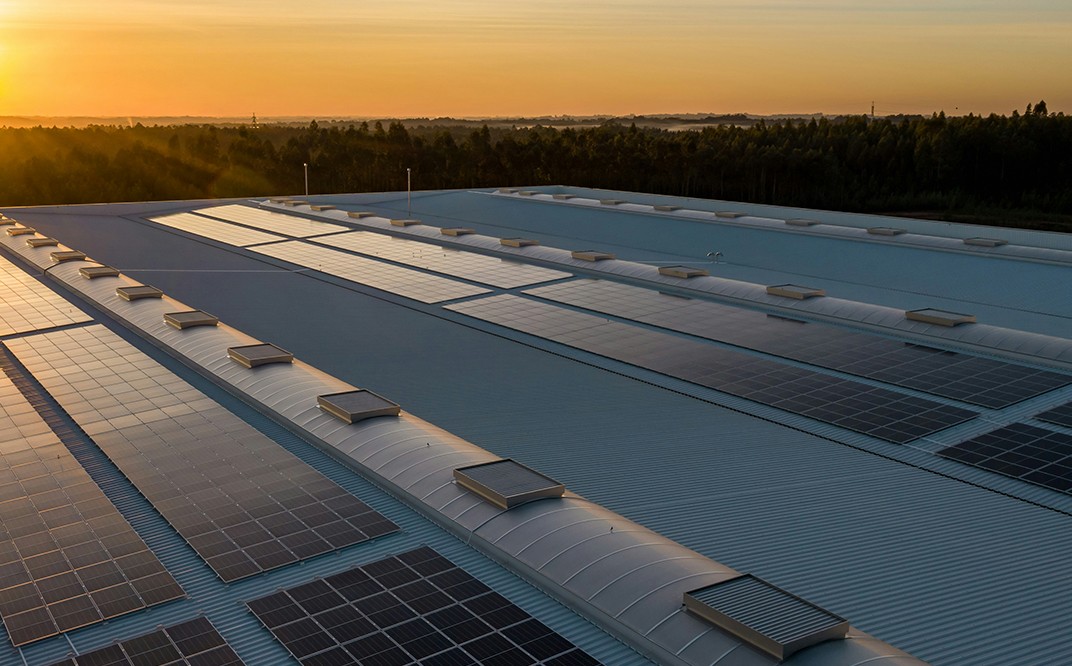
Solar energy is a clean, renewable, and inexhaustible power source that absorbs sunlight using panels and converts it into electricity. In addition to being clean, solar energy is an economical resource. However, it may not be suitable for use in regions that do not receive regular power.
To produce energy using the sun, it is necessary to establish panel systems suitable for the dimensions of the area. This correctly established system is invested in only in the initial stage. Afterwards, no financial expenditure or extra workload is required, except for cleaning the panels at routine intervals. In addition, solar panels do not cause noise pollution as they are technologies that operate extremely quietly.
Electric energy obtained from the sun is used in many fields, from heating to lighting. For example, it can be preferred for heating homes, workplaces, and public housing. Solar energy is utilized to use electrical appliances and to activate indoor or outdoor lighting. In addition, this energy source is also used to heat water.
Wind Energy
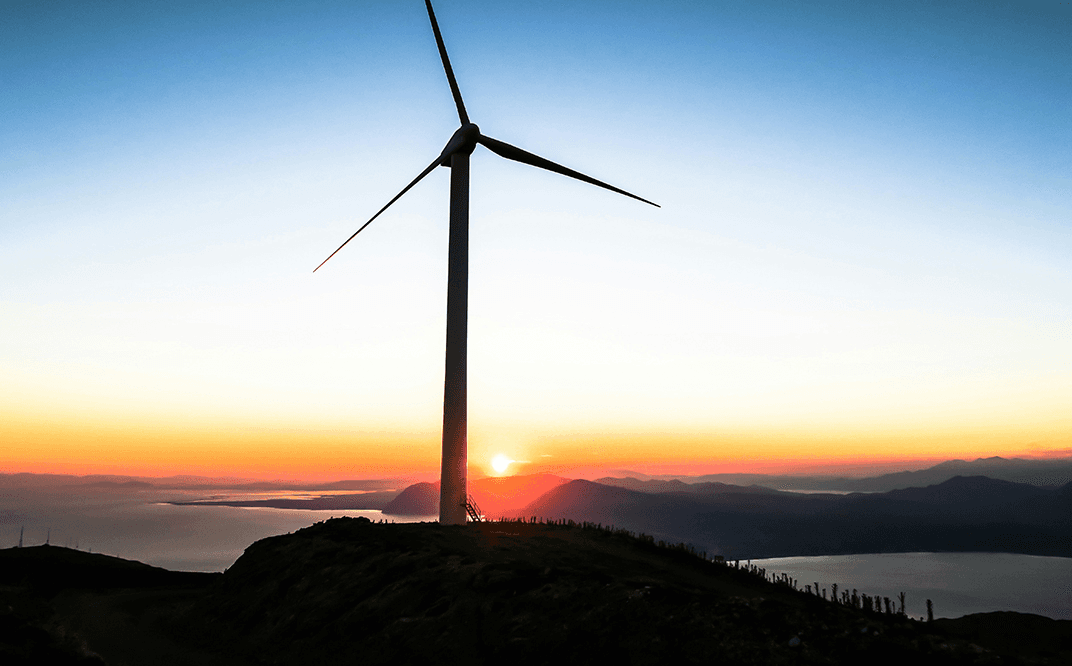
Using turbines, a clean energy source is obtained by converting kinetic energy coming from the wind, which occurs due to pressure differences, into electrical energy. The efficiency of this energy source, which has been used since 5000 BC, can vary regionally depending on the wind intensity.
To obtain kinetic energy from the wind, energy is produced in two different ways. In the first, onshore turbines are installed to use air currents generated from land. In the other, offshore turbines are installed to utilize the stronger and constant wind blowing over the open sea.
Wind energy has been used for centuries to grind grains or pump water in agricultural lands. However, it is possible to say that wind energy is frequently preferred for electricity generation today. Along with these, wind energy also generates the continuous electrical current necessary for the production of hydrogen energy used for synthetic or eco-fuels.
Biomass Energy
Biomass energy is a clean energy source obtained using animal and plant waste. Organic wastes such as dried trees, animal manure, and sawdust are burned to be converted into solid, liquid, or gaseous biofuel. However, biomass energy production must be carried out using sustainable methods. Otherwise, there is a risk of harming the environment.
For example, methane gas may be released as a result of burning some wastes. Forested areas can be plundered for biomass energy production facilities, harming biodiversity. To be able to say that biomass is a clean energy source, all processes need to be managed with long-term and consistent policies. The American Institute of Economic Research also presents the ongoing debates on whether this resource is a clean energy source.
Biomass energy, preferred for transportation and heating, met the total annual energy consumption of the US until the mid-1800s. Today, it is possible to say that it is still used for heating and cooking in economically underdeveloped countries. In addition, it is preferred to meet the energy needs of the industrial sector. Liquid biofuels obtained from organic wastes are also suitable for use in the transportation sector.
Geothermal Energy
Wells are drilled in geothermal fields to utilize heat coming from the Earth's core. Steam and water are allowed to rise to the surface from here. When water reaches the surface, geothermal energy is converted into electrical energy using turbines and generators. Geothermal energy is a clean, renewable, and inexhaustible energy source.
Geothermal energy, which is used for heating or cooling in greenhouses and residences, is also preferred for electricity generation. It can also be said to be used in many different areas, from thermal and health tourism to aquaculture.
Wave Energy
Also known as tidal energy, the tidal movements of waves in seas and oceans are used to benefit from wave energy. Wave generators are needed to convert wave energy into electricity. Thanks to these generators, wave energy is produced from movements on the water surface and in the depths. Since tidal energy occurs spontaneously, it is regarded as a clean, renewable, and inexhaustible energy source that does not cause environmental pollution.
Tidal energy can generate enough energy to meet the electricity needs of settlements in coastal areas. Although this system is not yet widely used, it is a promising method as it can provide energy independently of weather conditions.
Nuclear Energy
Unlike many renewable and clean sources, nuclear energy enables 24/7 energy production without being dependent on regional differences. However, there are conflicting views on whether this source is clean or not. In a report published by the IEA (International Energy Agency) in 2019, it was stated that nuclear energy has reduced global energy-related emissions by almost 2 years' worth over the last 50 years. In this context, nuclear energy is accepted as a clean energy source as it does not produce emissions.
This source, which can help meet energy needs, can allow the same amount of energy production to continue for thousands of years. Because although uranium reserves are limited resources, the amount of uranium to be used for energy production is very low.
In nuclear energy production, which can be done in two separate ways as nuclear fission and fusion, only water vapor is emitted into the atmosphere. Any pollutant gas emissions that could cause climate change cannot be spoken of.
Nuclear energy is used in many sectors from health to construction. The use of this energy source is common in the diagnosis and treatment process of diseases, in purifying foods from harmful substances, in cleaning agricultural products from harmful elements like insects, in the production of construction materials, in the control of oil tank leaks, in space technologies, and in the ship and aircraft industry.
Green Hydrogen Energy
Utilizing electrical current, hydrogen and oxygen in water are separated from each other. Hydrogen obtained after this process, called electrolysis, is used as an energy source. However, for green hydrogen to be considered a clean energy source, the electricity used during the separation process must also have been produced through clean energy sources.
Since hydrogen energy is produced in gaseous, liquid, and solid forms, its areas of use vary accordingly. The gas form is used for obtaining gasoline from coal, inflating hot air balloons, metal production, or operating ovens and stoves. The liquid form of hydrogen finds a place in many areas from aviation, space, and gas industries to electric vehicles. Its solid form is used in heating and cooling, electric car systems, and in the production of household appliances or rechargeable batteries.
Hydroelectric Energy
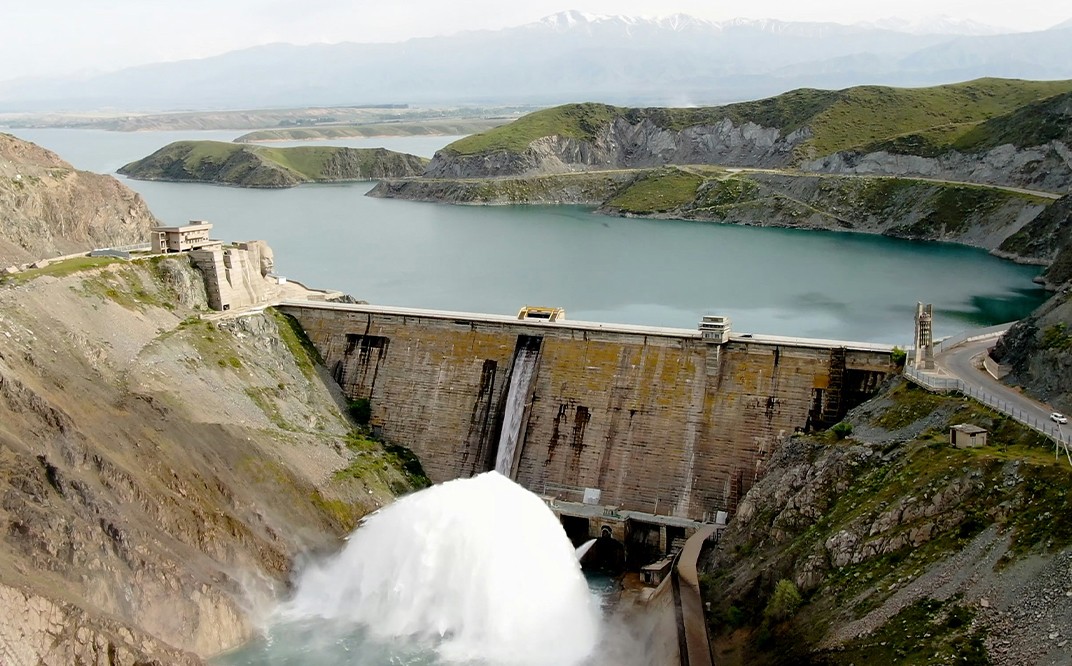
Energy is produced from the force of flowing water with the help of turbines. For hydroelectric energy, a dam or barrier is built on flowing water. This energy source, obtained by utilizing the power of water, is a clean source as long as there is no emission production.
Additionally, there is a risk of harming surrounding forests and biodiversity in the relevant area in order to build large-scale hydroelectric energy facilities. For this reason, it is possible to say that hydroelectric energy is a clean or renewable energy source depending on the measures taken during the installation phase of the facility.
Hydroelectric energy is utilized worldwide to meet the electricity needs. Additionally, it has been suitable for use from past to present for irrigating agricultural fields, grinding grain, cutting timber, and producing steel.
Why Are Clean Energy Sources Important?
Using clean energy sources has many different advantages. We can detail the benefits and importance of these resources as follows:
Since clean energy sources do not produce greenhouse gases or other pollutant emissions, they are environmentally friendly and ecological options that reduce carbon emissions. The absence of carbon emissions helps improve air quality and reduce damage to the environment caused by other energy sources. It also indirectly benefits human health as the amount of harmful emissions will decrease.
Natural resources that exist limitlessly in nature can be renewed rapidly. This way, it is generally possible to continue producing energy using clean energy sources without any time constraints.
Facilities established for clean energy production create new jobs. As the sector continues to grow, the employment rate increases while the local economy is also boosted.
The efficient conversion of animal or plant-oriented wastes into energy can prevent environmental pollution caused by wastes. For example, biomass energy is an important resource in terms of both energy production and the conversion of wastes.
In fossil fuel production, there are risks such as harmful oil and gas leaks and explosions. Opting for clean energy sources instead of fossil fuels is of vital importance for human and environmental health.
When fossil fuels are used for energy production, approximately 10% of fresh water is needed. This situation causes water resources to deplete over time and people's access to safe drinking water to gradually decrease. However, using clean sources in energy production is extremely important in order to conserve water and not restrict the global population's access to drinking water.
It can help countries achieve energy independence. Because clean energy resources can be found everywhere on the planet. Countries can also obtain their energy using resources in their own regions, and end their energy and economic dependence on other countries.
It is extremely critical to prioritize using clean energy sources for the future of the world, wildlife, and human life. Otherwise, climate change could progress rapidly and the world could cease to be livable for future generations. However, it is possible to build a green and ecological world with clean energy sources, which have countless benefits from air quality to the local economy, and from meeting energy needs to reducing the carbon footprint. One can start using clean energy sources in individual life and especially in industrial sectors to have a better future.
If you also aim to reduce your organization's carbon footprint, you can meet our QuickCarbon Corporate Carbon Footprint Calculation and Reporting Software, which will support you in creating sustainable strategies. You can start protecting tomorrow today by discovering what you can do for a better world.
Get Started Now
Get in touch with us to get to know QuickCarbon better and to see how it can add value to your processes.
Contact Us