
Go Back
What is the BIST Sustainability Index?
Sustainability is the key to using the world's resources efficiently, as well as leaving a healthy world for future generations. Conscientious use of resources ensures both environmental and social benefits are achieved. Examples of sustainability include repairing the damage to the environment by ceasing the use of fossil fuels, or fighting for a more equal world by reducing social injustice. Operating in our country, Borsa Istanbul (BIST) draws attention to this field by publishing an index in the area of sustainability. Let's look together at the answers to questions such as "What is the BIST Sustainability Index?" and "What can be done to contribute to sustainability?"
The BIST Sustainability Index has been published since November 4, 2014. The Sustainability Index, which includes companies that voluntarily participate in sustainability, acts as a guide against environmental, social, and corporate governance risks while aiming to inform responsible investors. The index is published to increase the awareness, knowledge, and practices of companies traded on Borsa Istanbul regarding sustainability. Since 2021, the evaluation results of Refinitiv Information Limited Company have been used to determine the BIST Sustainability Index.
The index, which aims to encourage sustainable investments, intends to increase transparency by measuring the performance of companies. Additionally, acting on the assumption that sustainable companies are well-managed, it helps investors reduce portfolio risk. The periods determined for the BIST Sustainability Index are the months of October and November.
Why Is the BIST Sustainability Index Important?
The survey results from the World Economic Forum's 2024 Global Risks Report reveal that only 16% of participants expect a stable outlook for the next two years. The majority (54%) anticipate a moderate risk of global catastrophe, while 27% foresee more turbulence. A further 3% believe that global catastrophe risks could emerge in the short term. According to the same survey, the rate of those expecting a stormy outlook over a 10-year period reaches 63%.
One of the primary reasons for the significant increase in environmental damage is unsustainable economic activities. According to TURKSTAT's 1990-2022 Greenhouse Gas Emission Statistics, carbon dioxide emissions, which were 228 megatons in 1990, were measured as 558 megatons in 2022. According to another report by TURKSTAT, Turkey produced a Total of 109.2 million tons of waste in 2022, with 29.4 million tons classified as hazardous. In Turkey, 140.3 billion TL was spent in 2022 for the purpose of environmental protection.
The 17 goals set by the UN as the Sustainable Development Goals show that many of the problems facing the world can find solutions through sustainable development. In the Eleventh Development Plan published by the Strategy and Budget Directorate, prioritizing the reflection of Sustainable Development Goals into policies was targeted. Furthermore, this plan decided to establish a system to monitor and evaluate national sustainable development goals.
Sustainability, just as official institutions have determined, is among the topics of vital importance for both the world and Turkey. The BIST Sustainability Index, in addition to creating awareness about sustainability, continues to be an important indicator through the following parameters:
Encouraging Sustainability: The index evaluates companies that comply with environmental, social, and corporate governance criteria, thereby encouraging sustainable businesses. It guides companies wishing to align with sustainability criteria.
Transparency: The BIST Sustainability Index requires companies to provide information about their sustainability performances and encourages reporting. This index, which reviews only publicly available data, increases the transparency and accountability of companies.
Compliance with International Standards: Using Refinitiv's valuation results since 2021, the index prepares evaluations in line with international sustainability standards. Turkish companies included in the index gain reputation and competitive advantage in international markets.
Policy Setting: The BIST Sustainability Index supports companies in setting sustainability targets. It also helps companies formulate sustainable policies by encouraging them in areas such as data collection, compiling data through methods like reporting, and sharing it transparently with investors.
Guidance to Investors: The BIST Sustainability Index brings environmentally friendly and responsible investors together with companies adopting sustainability targets. It enables investors planning to invest in sustainable business models to get to know companies in this area. In this way, it supports the spread of sustainable investment.
How Is the BIST Sustainability Index Calculated?

Indicators evaluated by applying a structured formula are called indexes. In the Sustainability Index, data collected from open sources are evaluated across 10 main pillars. Category scores are combined with three main pillars: environmental, social, and corporate governance scores. In the scoring from 0 to 100, corporate governance has equal weight in all sectors, while environmental and social evaluation pillars are calculated with weights varying from sector to sector.
The distribution of themes determined by Refinitiv under three main pillars is as follows:
Environmental Evaluation
The topics of the environmental evaluation, which includes 68 out of the 186 determined metrics, are:
Resource Use: The amount of water and energy consumed while using resources is analyzed. The sustainability of product packaging is evaluated. The extent to which the supply chain is eco-friendly is investigated. Companies preferring renewable energy sources come forward.
Emissions: The emissions generated during production, their impact on biodiversity, and pollution rates are evaluated. The company's compliance with environmental management systems is examined.
Innovation: Scoring is based on R&D, product development, and capital expenditures. Companies implementing eco-friendly practices and generating green revenues using innovative technologies receive extra points.
Social Evaluation
There are 4 main headings in social evaluation:
Workforce: Companies are evaluated within a broad framework from diversity and inclusion of the workforce to career development and training, and from working conditions to health and safety standards.
Human Rights: Organizations are scored on their compliance with human rights. Businesses compliant with human rights are organizations that consider not only themselves but also their supply chains, customers, and society as a whole. Organizations that respect human rights stand out in the field of sustainability.
Community: In this section, which is scored equally with respect to all evaluation groups, the relations of companies with their surrounding communities are examined. Companies organizing joint activities with local communities and carrying out social responsibility projects receive high scores.
Product Responsibility: Evaluation is made in the areas of product quality, responsible marketing, and data privacy. Companies designing long-lasting products rank high on the list.
Corporate Governance
The corporate governance pillar has equal weight during the evaluation of all companies. The following topics are scored under this heading:
Management: Together with the company's salary policy, elements forming the corporate structure such as independence and diversity are evaluated.
Shareholders: Shareholders' rights and protection measures are scored. Reputable firms ensuring financial security receive high scores.
Corporate Social Responsibility: Corporate social responsibility strategies of companies are examined alongside compiling environmental, social, and governance reports. Firms planning corporate social responsibility projects, publishing reports after activities, and opening these reports to the public gain an advantage during evaluation.
To be included in the BIST Sustainability Index, companies must have a general sustainability score of 50 or above. Additionally, there is a requirement of a score of 40 or above in each main heading, and a score of 26 or above in at least 8 of the category ratings.
What Can Be Done to Become a Sustainable Business?
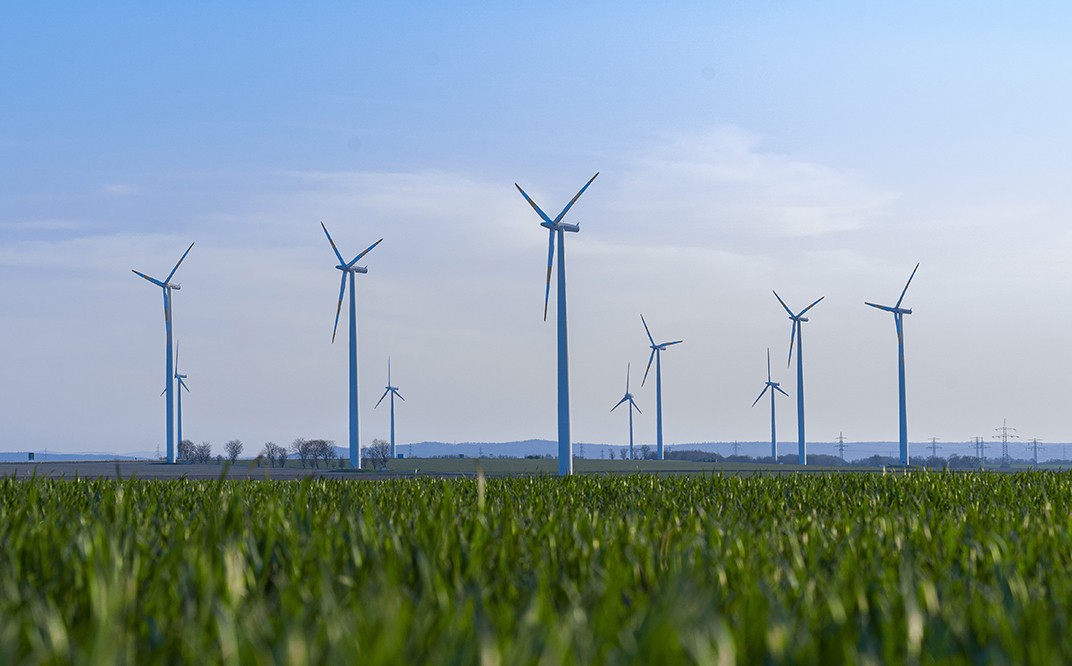
As the number of conscious consumers and investors rises, being a sustainable business provides a significant competitive advantage. Drawing from the BIST Sustainability Index, we can outline things that can be done to become a sustainable business under three headings:
Environmental Sustainability
The harm caused to the environment can be reduced by adopting practices such as waste management and recycling.
An environmental management system can be established by ensuring energy efficiency.
Renewable energy sources can be used instead of fossil fuels.
Technologies reducing water consumption in production can be utilized. In this way, water conservation can be achieved.
Innovative methods in production can be tracked, and harmony with new technologies can be achieved by supporting R&D activities.
Social Sustainability
Sustainable materials can be preferred in production processes. Extending the lifespans of products as much as possible and reducing the damage they inflict on the environment can be aimed for.
Sustainability criteria can form the basis of supplier selection. Thanks to sustainable supply chains, damage to the environment can be minimized.
Investments can be made in the health and safety of employees, a fair salary policy can be pursued, and employee diversity can be increased.
Through training given to employees, both the qualification and awareness of workers can be ensured.
Company policies can be shaped with a perspective prioritizing human rights.
A social impact can be created by establishing contact with communities in the region where the company is located and conducting joint projects.
Corporate Sustainability
Corporate social responsibility activities can be supported, and reached goals and successes can be reported. The prepared reports can be disclosed to the public, building a relationship based on transparency with investors.
Shareholders' rights can be protected and the company's financial security can be increased. By doing so, prospective risks are minimized while encouraging new investors.
A firm's sustainability plans and targets can be shared by establishing open communication with stakeholders. This increases both organic awareness and strengthens the brand image.
Reducing Carbon Footprint as a Key Component of Sustainability
According to the Basic Rules of BIST Sustainability Index, "Reports prepared by third-party organizations and disclosed to the public, such as annual financial reports, sustainability and corporate social responsibility reports, websites, and CDP (Carbon Disclosure Project) reports, can be given as examples of information to be evaluated within the scope of public info."
Tracking and reducing carbon emissions ensures that you minimize the environmental footprint of your business. As QuickCarbon, we offer companies solutions for measuring and reporting their carbon footprint. We help increase the sustainability capacities of workforces and businesses with the training we provide on carbon footprints. Thanks to our user-friendly software, we convert data into multifunctional graphics and support businesses in establishing corporate sustainability strategies. You too can get in contact with us to request a demo.
Get Started Now
Get in touch with us to get to know QuickCarbon better and to see how it can add value to your processes.
Contact Us