
Go Back
What is Carbon Offsetting?
Carbon offset refers to activities carried out to compensate for the emission of carbon dioxide and other greenhouse gases caused by activities performed by individuals or companies. Carbon offsetting processes are conducted by achieving emission reductions in other areas or removing carbon from the atmosphere to compensate for the activities that cause greenhouse gases. When the carbon reductions and the total carbon footprint of the activity are equal, the activity can be called carbon neutral.
The term offset, whose first use dates back to the late 1970s, is included in the US Clean Air Act. This term refers to the reduction of emissions occurring in one facility by offsets in another facility. This law stipulates that if activities that will cause new emissions to emerge in areas with intensive pollution are to be carried out, emission reduction must be made in another region.
How is Carbon Offsetting Done?
In order to perform carbon offsetting, it is first necessary to determine the carbon footprint arising from the activities of the individual or company. For this purpose, greenhouse gas emission measurements are carried out. Greenhouse gas emissions vary depending on the company's field of activity and can cover many different types of emissions, from transport to waste.
After the measurement of the carbon footprint is made, carbon credits can be purchased according to the obtained data. Examples of carbon credits include projects such as the construction of wind farms, water wells, solar power plants, or reforestation to reduce the amount of carbon emissions produced by traditional power plants.
Carbon offsetting ensures that emissions are reduced in other regions, not where they originate. Therefore, the method needs to be carried out in conjunction with other strategies such as energy efficiency, renewable energy, and emission reduction. It is also important that projects to be carried out with carbon credits have certain standards. For example, these projects must be both legitimate, verified by a third party, and provide additionality. Additionality proves that a carbon reduction project creates an impact that would not happen in the business-as-usual scenario. Furthermore, a hypothetical project that has not yet been implemented is not eligible for carbon credits.
What are Carbon Offsetting Examples?

Different carbon offsetting projects can be carried out in accordance with requirements and business lines in various industries. Some of the most commonly used carbon offsetting examples are:
Improved Forest Management (IFM, REDD+)
Improved Forest Management (IFM) projects aim to protect natural ecosystems and reduce carbon emissions by promoting sustainable forestry activities. The main objective of these projects is to support natural regeneration, increase the carbon sequestration capacity of forests, and protect biodiversity in the long term.
Carbon sequestration means the long-term storage of carbon in plants, soil, or geological formations, and this process plays a critical role in reducing carbon dioxide levels in the atmosphere. Improved forest management projects include a set of advanced techniques to use forest areas sustainably and increase carbon sequestration capacity:
Selective Logging:
It aims to reduce the pressure on the forest and protect the natural balance of the ecosystem by cutting down only specific trees.Thinning:
It ensures the controlled removal of weak or diseased trees to encourage the growth of healthier trees.Controlled Burning:
It aims to prevent major fires and protect forest health by burning accumulated combustible materials on the forest floor in a controlled manner.
These projects are also designed under REDD+ (Reducing Emissions from Deforestation and Forest Degradation) to prevent deforestation and forest degradation, reduce carbon emissions, and provide economic benefits to local communities.
Consequently, Improved Forest Management projects provide both environmental and social benefits by popularizing sustainable forestry practices. Forest conservation stands out as an effective strategy to improve the living conditions of local communities as well as being an important tool in the fight against climate change.
Example Projects:
REDD+ projects in the Amazon Rainforest (Brazil).
Community-based afforestation projects in Kenya.
Sapling planting and erosion control projects in Turkey.
Improved Agricultural Land Management
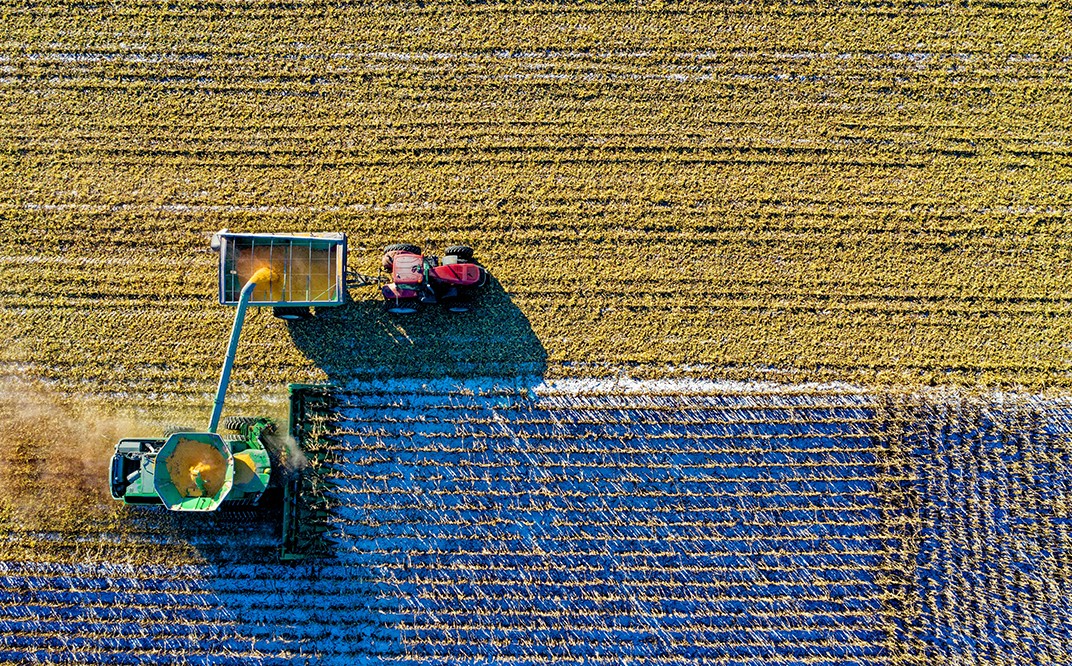
Improved agricultural land management projects aim to reduce environmental impacts and increase productivity in agricultural production by promoting sustainable and regenerative agricultural practices. These projects provide ecological and economic benefits in the agricultural sector as well as being an important tool in the fight against climate change.
Applications and Objectives
These types of projects focus on adopting more environmentally friendly and productive methods in agricultural activities. The following practices are among the prominent methods:
Optimizing Fertilizer Use: Preventing unnecessary fertilizer use and applying the correct amount of fertilization both reduces nitrous oxide emissions and protects soil quality.
No-Till Farming: Limiting soil degradation by reducing traditional plowing methods increases carbon storage and prevents soil erosion.
Improving Livestock Management: Enhancing animal feeding and housing practices lowers methane emissions and increases the quality of life for animals.
Crop Rotation: It is possible to support soil health and increase biodiversity by changing the planting sequence of different crops.
Environmental Benefits
Improved agricultural land management projects provide multi-faceted benefits in the fight against climate change:
Soil Health and Carbon Sequestration:
It ensures long-term storage of carbon by increasing the organic matter content of the soil. This situations lowers the amount of carbon in the atmosphere and increases the productivity of agricultural areas.Reduction of Greenhouse Gas Emissions:
It mitigates the effects of global warming by especially reducing the emission of powerful greenhouse gases such as nitrous oxide and methane.Water Management:
It reduces pressure on water resources thanks to more effective irrigation methods and water-conserving agricultural practices.Biodiversity and Air Quality:
It supports biodiversity by protecting natural habitats and reducing pesticide use. At the same time, it minimizes the negative impacts of agricultural activities on air pollution.
Economic Benefits and Incentives
These projects also contribute to the economic empowerment of farmers. Through carbon credit mechanisms, projects offer financial incentives and create income opportunities for farmers in return for adopting sustainable agricultural practices. In addition, efficient farming methods help lower costs in the long run.
Example Projects:
Soil Management and Carbon Storage in Kenya
Integrated Livestock and Agriculture Management in Brazil
Sustainable Rice Production in India
Carbon and Soil Health Improvement Project in China
Regenerative Farming Practices in the US
Grassland Management and Carbon Offsetting
Grassland management projects are implemented to increase carbon storage capacity in the soil and to manage pasture lands in a sustainable manner. Land managers and herders play an active role in these projects, aiming to improve the health of grasslands.
Applications include:
Limiting Grazing Times: Restricting the grazing days of animals to specific periods ensures that grasslands are protected from overgrazing.
Strategic Rotational Grazing Systems: Grazing animals alternately in designated areas gives pastures an opportunity to rest and plants to regrow.
Grassland Rest Periods: Allowing grasslands to rest for certain periods for regeneration ensures that plant roots strengthen and deepen.
The benefits of these practices are as follows:
Improving Soil Health: Stronger and deeper root systems strengthen soil structure by increasing the organic matter content of the soil.
Carbon Sequestration: Healthy growth of grasses and other pasture plants helps draw carbon from the atmosphere and store it in the soil.
Biodiversity and Ecosystem Support: Well-managed pastures build more resilient ecosystems by increasing biodiversity.
Example Projects:
Grassland Management Project in Canada
Australia Carbon Grasslands Project
Renewable Energy
Renewable energy projects aim to reduce carbon emissions occurring during energy production. These projects include various applications such as the installation of solar energy panels, the construction of wind turbines, the development of hydroelectric power plants, and the use of biomass energy. These projects not only shrink the carbon footprint but also increase sustainability in energy production.
Support from companies and individuals for renewable energy projects ensures the dissemination of clean energy sources. These projects significantly reduce greenhouse gas emissions by reducing dependence on fossil fuels and play a critical role in the fight against climate change. At the same time, thanks to these projects, contributions are made to local economies and new job opportunities are created. For example, local employment increases and energy infrastructure is modernized during the construction of solar power plants.
In addition, renewable energy projects increase energy security of supply and contribute to the global growth of the energy sector. Offering long-term economic and environmental benefits, these projects are one of the cornerstones of building a sustainable future.
Example Projects:
Noor Solar Power Project (Morocco)
Hornsea 2 Wind Farm (United Kingdom)
Lake Turkana Wind Power Project (Kenya)
Dağpazarı Solar Energy Project (Turkey)
Carbon Capture and Utilization Projects (CCUs)

Carbon Capture and Utilization (CCU) projects encompass technologies that capture carbon dioxide emitted into the atmosphere during industrial activities and use it directly or indirectly in various products. These projects include applications where carbon is used directly without being chemically altered, as well as indirect use applications where it is converted into a new product.
Captured carbon is used in many sectors, primarily in the fertilizer industry and enhanced oil recovery. For instance, captured CO2 can be used in ammonia production and mineral processing. In addition, the production of CO2-based synthetic fuels, chemicals, plastics, and structural aggregates are among other rapidly developing areas of application.
Example Projects:
Carbon Clean Solutions (United Kingdom)
Climeworks (Switzerland)
Potential and Future of CCU
CCU technologies present important opportunities for reducing emissions in energy-intensive sectors and increasing sustainability in industrial processes. Such technologies play a critical role in reducing carbon emissions, especially in carbon-intensive sectors such as fossil fuels and heavy industries. However, CCU projects alone are not enough to prevent large-scale greenhouse gas emissions; they must be considered as part of broader carbon reduction strategies and supported by other climate solutions.
What are the Advantages of Carbon Offsetting?
It is understood that carbon offsetting offers a critical set of benefits to businesses. These advantages, ranging from enhancing brand reputation to cost savings, allow companies to make strategic decisions for long-term sustainable success. The main benefits provided by carbon offsetting are:
Can Enhance Brand Reputation
Companies focusing on sustainability practices can achieve a strong position in their markets by investing in eco-friendly projects. Strategic projects implemented to offset greenhouse gas emissions clearly demonstrate companies' efforts to fulfill their environmental responsibilities. This creates a trust factor not only for the company's stakeholders, customers, and consumers, but also for potential employees. Organized efforts by companies toward the zero-emissions goal can position them as a more responsible and forward-looking brand in the industry.
Supports Businesses to Comply with Regulations
Today, environmental, social, and governance (ESG) standards determine the sustainability requirements that companies must comply with. Carbon offsetting offers a solution that enables companies to become compatible with the environment without the need to reduce emissions immediately. In this way, companies can meet sustainability standards and ensure compliance with legislation without making major changes in their operations. Simultaneously, carbon offsetting helps companies display an environmentally conscious stance, thereby gaining trust both legally and in the eyes of society.
Supports Sustainable Development
Carbon offsetting projects not only offset greenhouse gas emissions but also contribute to the sustainable development of local communities. Such projects can enhance social welfare, especially through projects providing clean drinking water and other environmental improvement projects. For example, thanks to clean water projects, the risk of thirst decreases, infectious diseases can be prevented, and the quality of life increases. Renewable energy projects supported through carbon offsetting can provide clean energy to underserved areas, which can stimulate economic growth while creating jobs.
Provides Mutual Benefits
Carbon offsetting projects do not just offset emissions, they also create various positive impacts on the environment. These projects improve air and water quality by increasing biodiversity. In addition, they can help reduce waste, support local communities, and create new job opportunities. These mutual benefits not only improve the environment but also stimulate social development and sustainable economic growth.
Carbon offsetting is becoming an important strategy contributing to sustainability by offering benefits to companies not only in environmental terms, but also in social and economic terms.
Calculate Your Carbon Footprint and Take a Step for a Sustainable Future
If you want to calculate your company's carbon footprint to contribute to sustainability, as QuickCarbon we offer you an innovative solution. We calculate and report according to the ISO 14064-1:2018 Standard and the GHG Protocol without requiring any consulting services. You too can calculate your carbon footprint with our user-friendly software and take a step for a sustainable future.
Get Started Now
Get in touch with us to get to know QuickCarbon better and to see how it can add value to your processes.
Contact Us