Go Back
Environmental Sustainability
Is it possible to live in prosperity in a world where climate change is rapidly increasing, water and air are polluted, and forests are destroyed? Of course not! Meeting both our needs and those of future generations and continuing a healthy life in the world depends on how we treat nature today. The faster we consume our resources and the worse we treat our environment, the faster we will approach a lower-quality life. This is exactly where environmental sustainability comes into play. It is possible for us to integrate environmental sustainability into our lives individually and socially and achieve a much healthier world. Let's take a look at all the details about environmental sustainability together.
What is Environmental Sustainability?
The US Environmental Protection Agency defines environmental sustainability as "meeting the needs of the present without compromising the ability of future generations to meet their own needs." That is, environmental sustainability is the responsibility to protect natural resources and ecosystems to ensure the well-being of both present and future generations.
Many of our behaviors, such as consuming more resources than the earth can provide, releasing more carbon emissions than forests can absorb, neglecting energy efficiency, and wasting water and food, negatively affect environmental sustainability.
Building environmental sustainability requires a multi-faceted and holistic approach. To ensure this approach, it is important to evaluate all elements of sustainability (environment, economy, social) together.
1. Environment
At the core of the concept of environmental sustainability lies the preservation of ecological balance. The health of all ecosystems, from oceans to forests, ensures the protection of biodiversity and increases air quality. It protects life under water. Therefore, environmental sustainability covers all responsible actions required for environmental protection.
2. Economy
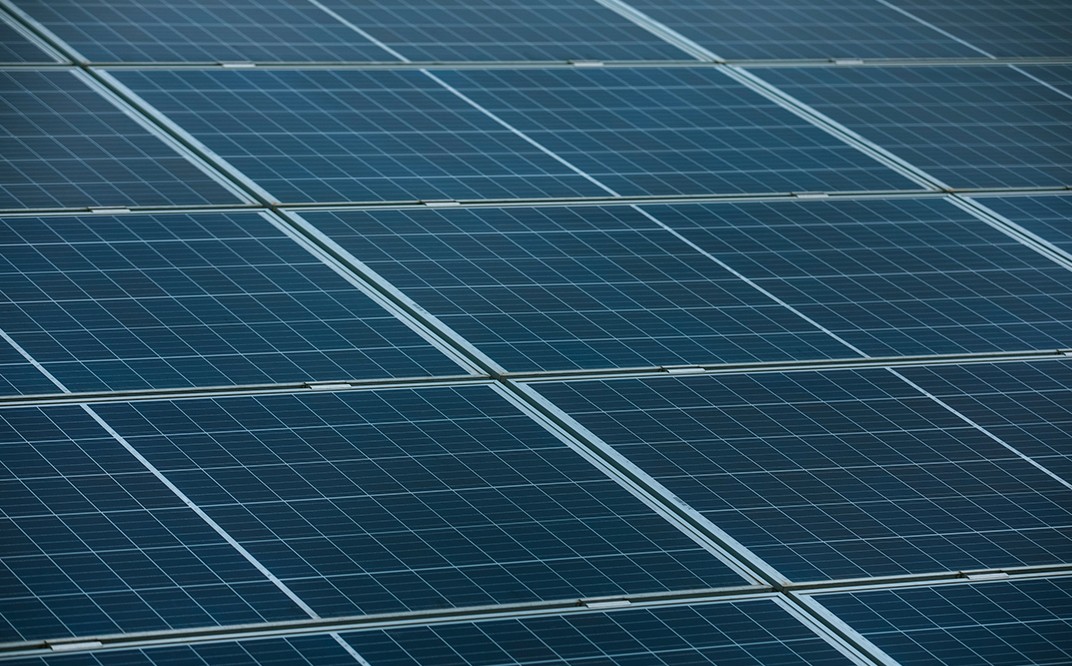
For sustainable initiatives and actions to be permanent, they must also be economically viable. This approach does not position sustainability behind profitability. On the contrary, it aims to find the balance point where businesses and producers can develop without harming ecological systems. A sustainable economy focuses on long-term gains, prioritizing practices that reduce waste and increase efficiency, such as using solar panels for energy production. The environment and economy, which are two separate elements of sustainability, also have aspects that complement and feed each other.
3. Social Equity
After the environment and economy, another element of sustainability is social equity. According to social equity, all members of society should have equal access to resources and opportunities. One group should not be more affected by eventual environmental degradation than another. In this regard, environmental sustainability, together with social equity, points to an inclusive and fair approach. It promotes the well-being of all and rejects discrimination. It points out that environmental health is closely linked to individuals' quality of life.
Benefits of Achieving Environmental Sustainability
We can list the benefits that achieving environmental sustainability can provide us as follows.
Conserves Resources for Future Generations
Establishing environmental sustainability ensures the protection of natural resources. Thanks to steps such as choosing sustainable methods instead of fossil fuels for energy efficiency, using the recycling system effectively, and creating zero waste policies, future generations can inherit a rich world they will need to survive and progress.
Provides Ecological Balance
When a sustainable lifestyle is adopted globally, habitats can be protected and environmental pollution can be minimized. In this way, the continuity of biological species under threat of extinction can be ensured.
Contributes to People Being Healthier
In communities that do not prefer energy sources such as natural gas and petroleum, do not release harmful waste into nature, fight for a smaller carbon footprint, meaning they adopt sustainable practices, people breathe cleaner air and have access to clean water. This can help individuals stay healthier and live a better quality life by lowering their risk of contracting diseases.
Reduces Conflicts
When natural resources are managed sustainably, conflicts and competition over resources can decrease. This can make society more harmonious with each other.

What Can You Do Individually to Support Environmental Sustainability?
The World Health Organization predicts that climate change could cause an additional 250,000 deaths between 2030 and 2050. It is necessary to remember that by not giving environmental sustainability the core importance, we put the lives of future generations at risk, and in fact, life could also be much harder in the near future. To prevent this and live in a better world, let's briefly talk about some sustainability practices you can integrate into your life.
Shop Mindfully
Every product you buy has an ecological footprint. All the products and services you purchase, from the supply of materials used in production to the energy needed for production, from packaging to logistics services, have an impact on the earth.
Even if you compost the product after using it or upcycle it, its footprint on the earth continues to exist. Therefore, before buying an item, it is useful to think twice about whether you need it.
In addition, you can pay attention to the following points in your shopping:
Before buying a new product, you can check out sites that offer second-hand sales or exchanges.
You can choose sustainable brands that use eco-friendly packaging or produce with recycled materials, use renewable energy sources, and pay fair wages to their employees.
You can reduce transport-related carbon emissions by doing your shopping from local stores as much as possible.
You can avoid the need to change items frequently by investing in high-quality, long-lasting items made from natural materials.
Review Your Plastic Use
According to UNESCO data, plastic waste causes the death of over 1 million seabirds and 100,000 marine mammals a year. Moreover, unconscious plastic use leads to the disruption of natural ecosystems and increases global warming. Therefore, reducing plastic use is of critical importance for environmental sustainability.
At this point, some applications you can implement are as follows:
You can choose reusable fabric or mesh bags instead of plastic bags for your shopping.
Instead of single-use products like plastic water bottles, straws, and cups, you can turn to items that you can clean and use repeatedly.
Instead of choosing single items in your food shopping, you can buy in bulk to reduce the proportion of plastic used in packaging.
You can find healthier alternatives to your plastic items. For example, you can choose glass products for storage containers.
To reduce your use of plastic garbage bags, you can consider composting.
Prevent Food Waste
According to the UNEP Food Waste Index Report 2021, more than 1 billion tons of food is wasted every year. Unless adequate precautions are taken, the amount of waste is expected to grow steadily. Waste damages environmental sustainability and negatively affects the economy.
At this point, some measures you can take individually are as follows:
Before going shopping, you can check the items at home and list the food products you need.
You can plan your meals weekly. This way you know what you need when shopping.
If you cannot use your food that is close to its expiration date immediately, you can freeze it.
You can carry your leftovers with you to consume during lunch breaks.
When shopping, you can dedicate a part of your shopping to misshapen but healthy fruits and vegetables that you think no one will buy.
In addition to the practices we mentioned, to contribute to environmental sustainability, you can take care to reduce water consumption, rely on renewable energy sources, and drive less. Most importantly, by sharing the awareness you have gained with your environment, you can encourage them to adopt a lifestyle that will contribute to environmental sustainability.
How Can Businesses Contribute to Environmental Sustainability?
While individual efforts are extremely valuable in ensuring environmental sustainability, it is also critical for businesses and manufacturers to adopt sustainable business models. Let's briefly talk about some of the benefits that making a business sustainable can provide to a business owner:
Your business will attract more interest from business partners and staff who value environmental sustainability.
You can attract customers who value sustainability and get ahead of your non-eco-friendly competitors.
You can reduce your costs by using local resources and renewable energies.
To make your business sustainable, you can implement the practices we will talk about:
First of all, you can start by discussing your business values and sustainability goals with all your team members.
You can train your team on sustainability.
You can try to reduce your dependence on non-renewable natural energy sources (fossil fuels and similar) for production. For example, you can use solar hot water systems and rainwater tanks.
You can take care to use recycled materials in your offices.
You can strive to recycle your production waste at the highest possible level.
You can choose your packaging from recyclable materials and, if possible, reduce the use of plastic.
By reviewing your material supply, you can learn about your business partners' sensitivity to environmental sustainability and update your operating policies.
If you want to make your business more sustainable but do not know where to start, you can choose our QuickCarbon software. Thanks to the user-friendly software, your business's corporate footprint is calculated within the scope of ISO 14064-1:2018 Standard and GHG Protocol, and reports are sent to you. You can set new strategies to reduce the carbon emissions generated by your business with all the data and graphics presented.
.
Get Started Now
Get in touch with us to get to know QuickCarbon better and to see how it can add value to your processes.
Contact Us