
Go Back
Ecological Footprint Reduction Methods
First introduced in 1990, the concept of the ecological footprint provides a benchmark for assessing the environmental impacts associated with human activities. In particular, issues related to climate change causing concern worldwide have made the ecological footprint a more frequently encountered concept. Today, this situation encourages many individuals, companies, and businesses to take steps toward a sustainable future.
Ecological Footprint
Measuring the impact of an individual or community on the environment, the ecological footprint can also be expressed as the amount of natural resources consumed. Generally expressed in global hectares (gha), the ecological footprint measures the rate at which resources are consumed and waste is generated. Components resulting from the ecological footprint also include the carbon footprint and water footprint.
The ecological footprint allows professionals to determine the land area needed to meet the needs of each individual. It is a measure typically used to calculate the sustainability of existence of a region, individual, and small, medium, or large-scale business.
Methods to Reduce Ecological Footprint
It is possible for individuals to reduce their ecological footprint even solely through their own efforts. In this direction, some effective methods that can be easily applied can be detailed as follows:
Preferring an Eco-Friendly Transportation Alternative
Transportation is one of the most effective ways to reduce your ecological footprint. Conducted researches reveal that transportation systems make a significant contribution of 23% to the carbon footprint. Therefore, turning to more eco-friendly alternatives instead of driving can be beneficial. For instance, cycling or walking as much as possible can help reduce the ecological footprint. Especially for short distances, it is a more sustainable choice for an individual to use their own physical strength instead of a gas-burning vehicle. Not owning a car at all can also reduce the ecological footprint by up to 20%.
Even if a car is owned, using the vehicle less contributes both to reducing traffic congestion and keeping the city air clean. In addition, regularly maintaining the vehicle and ensuring necessary checks at certain intervals are also important to keep the emission control system at the highest level. It is also required to sufficiently inflate the car’s tires and regularly check the air filter.
Using public transportation instead of a car for long distances is also effective in reducing the ecological footprint. On the other hand, for short journeys, vehicles such as trains or buses can be used instead of planes.
Using Items Sustainably
There are some important points to consider for using items in a sustainable way. For example, repairing broken items both reduces the amount of waste and eliminates the need to purchase new products. It is also possible to contribute to sustainability by donating items that will not be used to individuals in need. In this way, the lifespan of the items can also be extended.
Buying reusable items instead of single-use products is also an effective strategy. For example, instead of buying water sold in plastic bottles, refillable small glass bottles can be preferred. To contribute to sustainability, cloth bags can be preferred instead of plastic bags used in shopping.
Turning to Energy-Saving Home Appliances
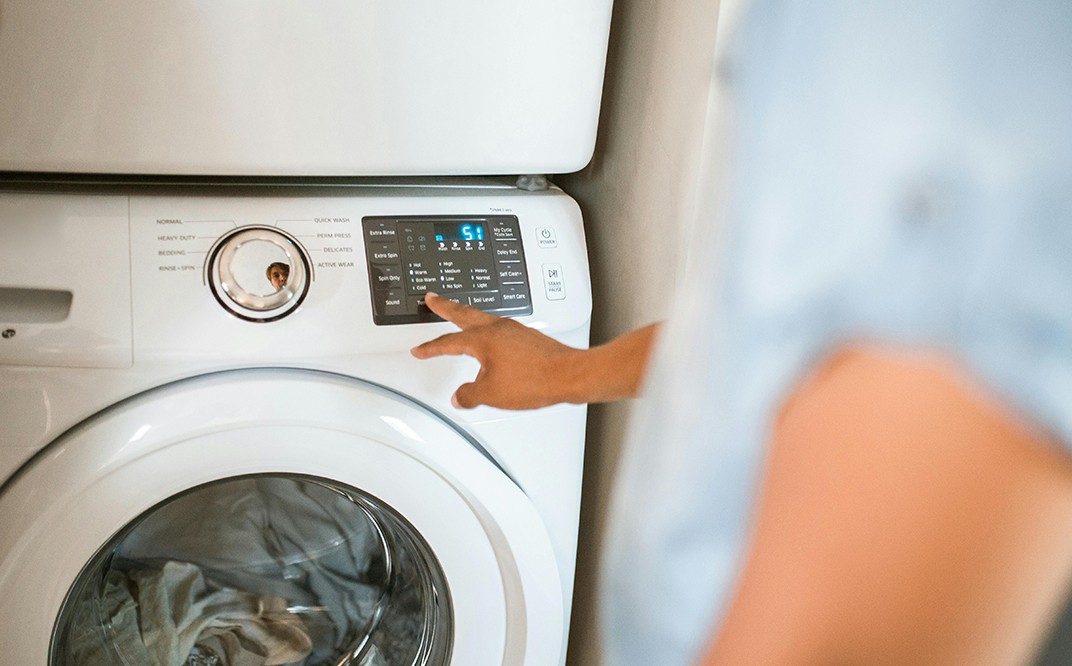
Electronic appliances used for household chores, such as dishwashers, ovens, vacuum cleaners, or refrigerators, consume high levels of energy. These devices also contribute significantly to the ecological footprint. To reduce the ecological footprint, it is extremely important to choose energy-saving appliances and safely dispose of used products. For this, household appliances that run continuously, such as refrigerators, and frequently used appliances, like blenders, must definitely be in efficient classes with the lowest energy consumption.
Additionally, paying attention to ceiling and wall insulation and using double-glazed windows can also be beneficial. In this way, in cold weather, heat can be trapped inside the house, thereby saving energy. Furthermore, the fuel required for heating can also be saved.
It is also important to prefer energy-efficient appliances such as low-flow showerheads at home. Rather than appliances with energy-consuming design features, it can be beneficial to prefer products produced from recycled materials or those with recycling systems. Additionally, sustainably produced, second-hand, or recycled furniture can also be used. Using biodegradable and non-toxic cleaning products at home is also beneficial for both human health and environmental protection.
Adopting Energy-Efficient Habits
Another important way to reduce the ecological footprint is to acquire new energy-saving habits in daily activities. Especially in summer, running the air conditioner less or making the right temperature settings, and in winter, keeping the thermostat lower can be beneficial.
To reduce air conditioner use, cooling can be attempted by leaving doors and windows open, especially on windy days. Regularly checking the filters of the air conditioner, keeping them clean, and ensuring they run at maximum efficiency can help reduce the ecological footprint. Additionally, making it a habit to unplug electronic devices when they are not in use is an effective energy efficiency strategy.
Switched power strips are highly useful for preventing energy consumption, especially when devices such as TVs, smartphones, or computers are not in use. These power strips completely cut off the electrical current to the devices, preventing unnecessary energy use.
Preferring to dry clothes naturally, especially in hot weather, instead of using tumble dryers that consume large amounts of energy, helps save energy. In addition, regularly defrosting the freezer and refrigerator also makes a great contribution to reducing the ecological footprint.
Paying Attention to the Footprint of Consumed Foods
Every food consumed, including those sold in supermarkets, contributes to the carbon footprint. Consuming local food can help reduce the carbon footprint. This is because there is no need to transport food over long distances, resulting in less fuel consumption. However, greenhouse gas emissions from transportation make up only a small part of food-related emissions. Therefore, it can be more beneficial to focus on the type of food consumed rather than whether it is local.
There are major differences among the greenhouse gas emissions of foods. For example, producing one kilogram of beef leads to 60 kilograms of greenhouse gas emissions. However, peas cause only 1 kilogram of greenhouse gas emissions per kilogram.
In general, animal-based foods tend to have a higher footprint than plant-based ones. Although poultry and pork have a lower footprint compared to beef, their contribution to the ecological footprint is larger than most plant-based foods.
Implementing Water Conservation Methods

Water conservation is of critical importance in terms of saving energy and reducing greenhouse gas emissions. This is because a significant amount of fuel and energy is used to transport water.
It is possible to contribute to reducing the ecological footprint by using less water in living spaces. For this, it can be beneficial not to take showers too frequently, not to run the washing machine and dishwasher before they are fully loaded, and to turn off the faucet while washing hands or brushing teeth until reaching the rinsing and gargling stage. In addition, using a watering can instead of a hose when watering is also beneficial in terms of preventing unnecessary water waste.
Reduce Your Carbon Footprint and Contribute to Sustainability
Many activities of companies and enterprises, from production processes to supply chains, also greatly affect the ecological footprint. Therefore, to reduce the ecological footprint, adopting energy efficiency and eco-friendly policies is highly important.
If you also want to reduce your carbon footprint and contribute to sustainability, as QuickCarbon, we offer you effective solutions in this field. We help firms reduce their carbon emissions with our user-friendly QuickCarbon software which allows you to calculate and report according to the ISO 14064-1:2018 Standard and GHG Protocol. With QuickCarbon, you can calculate your carbon footprint and make both your business and the world more sustainable.
Get Started Now
Get in touch with us to get to know QuickCarbon better and to see how it can add value to your processes.
Contact Us