Go Back
7 Ways to Be More Sustainable with Simple Changes
Sustainable living protects natural resources by encouraging eco-friendly choices that reduce exposure to toxins. In addition to its environmental impacts, it also helps build habits that can improve physical and mental health. One of the best examples reflecting this situation is using a bicycle. Bicycles, which do not require fossil fuel consumption, are a transportation alternative that does not increase greenhouse gas emissions. Riding a bicycle, especially for short distances, contributes to preserving air quality in the long run while also supporting general health by increasing physical activity.
Since sustainable living habits encourage being sensitive about resource consumption, they provide a reduction in various costs. Some changes made in daily life can visibly reduce energy expenditures in the long term. One of the practices where the cost reduction is noticed quickly is again using a bicycle. When bicycle transportation becomes a habit, costs such as public transport, fuel, parking, and vehicle maintenance can be greatly saved over time.
A Sustainable Life with Simple Changes
To live more sustainably, it is not essential to make radical decisions and aim for big changes. Small habits that are changed can create a ripple effect, leading to great changes. Here are some of the simple changes you can resort to for sustainable living, which benefit not only the environment but also individual and social health:
1. Avoiding Single-Use Plastic Products When Drinking Coffee and Tea
It is known that almost all plastics produced to date still exist, continuing to pollute oceans and soil. Many steps can be taken to reduce and completely eliminate plastics from life, which affect human health and cause hormonal changes. Choosing reusable products instead of products like plastic cups, straws, and bottles, which take centuries to disappear in nature, protects the environment and human health in the long run. In addition, it also provides savings in terms of cost.
You can carry your own thermos or mug with you for the coffee and tea you will drink during the day. You can put the tea and coffee, whether you prepared it fresh at home or purchased it, in your personal beverage container. You can drink your beverage with your thermos if you are on the move, or with your mug if you are going to work in a cafe or chat with your friends. Thus, you can drink your beverage without being exposed to the chemicals contained in the plastic cup, and at the same time, you prevent the use of unnecessary waste. You can offer a significant support to sustainable living with a gift thermos you will buy for yourself and your loved ones.
2. Preparing Eco-Friendly Cleaning Products
Choosing chemical-free cleaning products for use when cleaning at home is one of the effective eco-friendly habits. Thanks to mixtures prepared with natural ingredients and simple methods, it can become possible to clean without being exposed to chemicals, without causing chemicals to mix with water and soil. In this way, single-use, non-recyclable plastic packaging of chemical cleaning products is also avoided.
To prepare natural cleaning products, you can use white vinegar, baking soda, essential oils, and empty spray bottles. You can obtain multi-purpose cleaning materials by using half a glass of vinegar, a quarter glass of baking soda, 4-8 glasses of hot water, and oils such as lemon or tea tree oil. With this mixture, you can achieve effective cleaning on bathroom and kitchen surfaces, in trash cans, and inside the refrigerator by using worn-out cotton t-shirts as cloths.
3. Using a Personalized Washable Shopping Bag
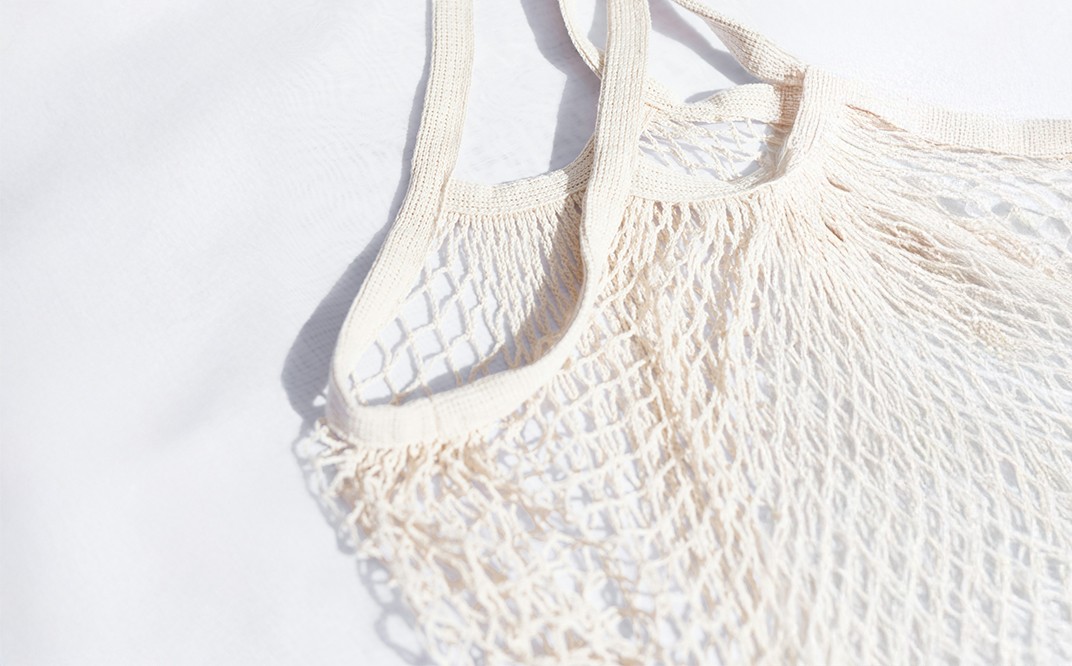
Only 1% of plastic bags produced from fossil fuel-based chemicals can be recycled, while the rest remain in nature, polluting the soil, air, and water. Even if a plastic bag used for only 10-15 minutes during shopping seems to have physically disappeared in nature, it damages the environment for centuries in a state divided into microparticles. To reduce this impact, a simple method like getting a reusable shopping bag can work.
Keeping your grocery bag with you when going shopping by foot, public transit, or car also saves you from bag costs. You can wash your shopping bag, which is more durable than plastic bags and can usually carry more items, as it gets dirty, so you can continue using it for a long term. You can also encourage an eco-friendly lifestyle by gifting cotton, washable bags suitable for their style to your loved ones.
4. Composting Food Waste
Food waste produces methane, which is a greenhouse gas more powerful than carbon dioxide, when thrown into the garbage. On the other hand, when organic food waste is evaluated appropriately, compost material beneficial to the soil can be obtained. Compost, which contains nutrients that plants can take in the time and form they want, strengthens plants while also regulating the acid density of the soil.
When you mix food waste such as vegetable, fruit scraps, green leaves, tea waste, eggshells, bread, coffee grounds with materials such as dry leaves, tree branches, nut shells, sawdust, faded flowers, cotton, napkins, and newspapers, a rich soil supplement is formed. You should not use meat dish leftovers, frying oils, and dairy products that can produce bad odor as compost, and you should use acidic citrus peels in moderation. Thanks to this method, which can be applied at any period of the year, you can evaluate your household waste in an eco-friendly way.
5. Reducing Unnecessary Lighting Use

Since daylight supports human health with the physical and spiritual benefits it provides, it is necessary to benefit from natural light to the maximum extent in indoors as well. Opening the curtains during the day to allow light to enter and positioning the furniture in a way that does not block the light are effective methods. In the evening hours, on the other hand, using long-lasting and recyclable LED bulbs saves energy, reducing the electricity cost.
Turning off lights when not in use or dimming the level of light with adjustable mechanisms is also important in terms of environmental sustainability. Especially turning off LED bulbs, whose energy usage level is not highly affected by frequent switching, when not in use reduces carbon emissions generated during electricity generation. For this, you can stick notes to lighting switches in homes and offices so that the light is not forgotten to be left open. These reminders increase your awareness, helping you develop energy-saving habits.
6. Gaining Sustainable Clothing Habits
Changing buying habits in clothing should not be thought of as a temporary behavior pattern, but should be adopted as an eco-friendly and permanent shift in mindset. Practices such as buying a small number of high-quality products, recycling old clothes, repairing worn-out clothes instead of throwing them away, and evaluating old clothes for different purposes are within the scope of sustainable fashion. The purpose of these practices is both to reduce the environmental footprint and to provide savings by preventing unnecessary expenditures.
Buying low-quality, non-durable and fast-fading clothes that emerge as a result of the rapid production and consumption cycle increases resource use. On the other hand, durable clothing products containing organic cotton, hemp, and bamboo are produced with methods that cause less damage to the environment and can be used for many years. It is also possible to ensure that clothes are longer-lasting by following the care recommendations of the clothes, paying attention to washing and drying at low temperatures.
7. Using Washing Machines and Dishwashers Efficiently

Protecting the water that makes the Earth liveable, and using water resources sparingly no matter how abundant, are important steps of a sustainable life. Simple methods applied during the day ensure that this valuable resource is used efficiently and protected. Simple habits such as not leaving the tap open while brushing teeth or shaving help save significant amounts of water in the long run. In addition, it also provides a noteworthy reduction in your water bill.
The way washing machines and dishwashers are used is also a determining practice in terms of both water saving and eco-friendly cleaning. You can acquire habits such as washing dishes in the appropriate program of the dishwasher instead of hand washing, and not running the machines without filling them completely. Thus, you can use water with maximum efficiency in every wash. Using the economic operating mode of your electronic appliances also allows you to save energy. These programs, which consume less energy to heat water and use less water, can increase your savings in the long run.
QuickCarbon is Beside You in Your Sustainability-Focused Activities!
As QuickCarbon, we help you measure and evaluate the impact of your activities on the environment to contribute to sustainable living. With our corporate carbon footprint consultancy service, we provide consultancy on carbon footprint calculation, reporting, goal setting, and taking precautions. You can contact us to get detailed information and request a demo.
Get Started Now
Get in touch with us to get to know QuickCarbon better and to see how it can add value to your processes.
Contact Us