Go Back
What is Ecological and Carbon Footprint?
As basic natural resources are depleted, can mankind protect its living spaces? The resources offered to us by our planet are becoming increasingly insufficient in the face of the demands of the growing population. The way to allocate a sustainable living space for all living species and to protect the natural resources we need is to reduce our ecological and carbon footprints. These concepts, which reveal how natural resources necessary for life are consumed, also draw a perspective on whether the next generation will be able to access sufficient resources.
Ecological Footprint
The industrialization of societies, which brought consumption and production processes to a different dimension, the rising need for food day by day due to the increasing population, and the rapid pace of urbanization and technological revolutions have paved the way for the uncontrolled use of natural resources. As a result, the natural balance began to suffer.
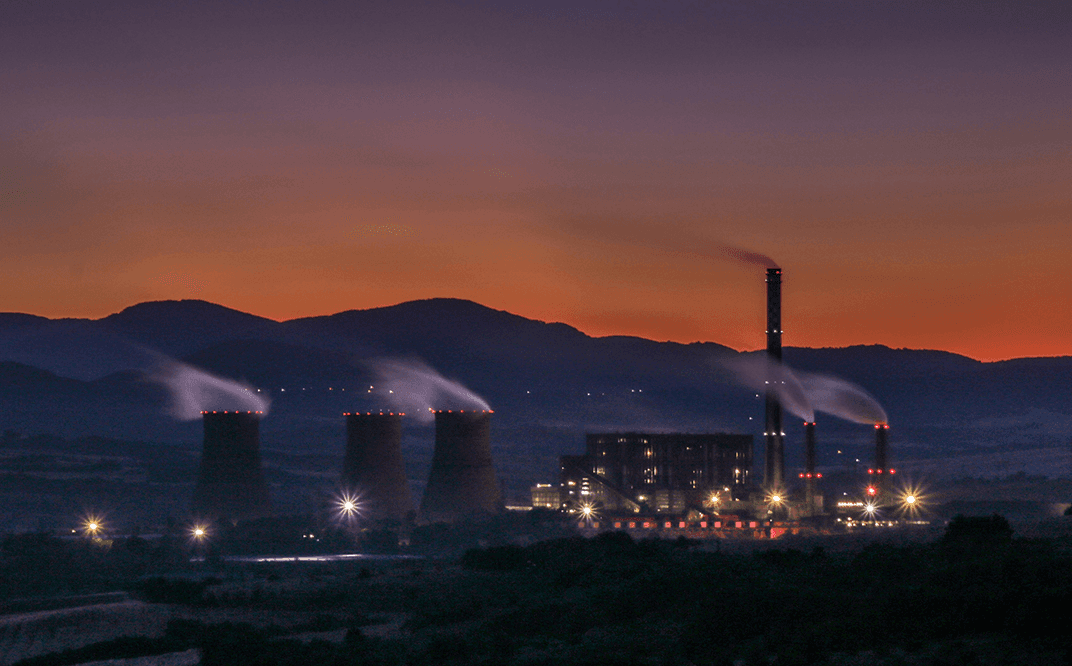
The concept of ecological footprint comes into play right at this point and generally reveals the destruction occurring in the natural balance. At the same time, it helps to identify the resources that need to be restored to the ecosystem. Accepted as a fundamental concept of sustainability, the ecological footprint is a method that calculates the ecosystem balances disrupted by human activities and determines the amount that must be restored to the ecosystem.
The concept of ecological footprint was first brought to the agenda in the early 1990s by ecologist William Rees and sustainability advocate Mathis Wackernagel. Created under the umbrella of the University of British Columbia, this concept allows for calculating how much of the resources we have we consume. In this way, a kind of future projection can also be drawn by creating a roadmap on how natural resources can be used in the face of the growing world population.
Why Does the Ecological Footprint Increase?
Many factors are effective in increasing the ecological footprint. In this context, some of the elements that cause the ecological footprint to increase are as follows:
Industrialization, changes in minimum living conditions, and the increase in energy consumption with growing demands,
Incorrect use of water and pesticide application methods in agriculture,
Increase in greenhouse gas emissions due to the rising number of personal vehicles,
The establishment of consumption culture all over the world, the increase in disposable products, and rapid changes in fashion,
The increase in the amount of waste depending on population and the lack of attention given to recycling,
Not showing care to prevent waste in water consumption in personal living spaces and industry,
Insufficient utilization of renewable energy resources in cooling and heating methods.
How to Reduce the Ecological Footprint?
The fundamental step in reducing the ecological footprint is not to consume more of the natural resources than what is offered to the population. Although key factors such as considering ecological elements when doing city planning are database decision-makers' hands, the following steps can be taken individually and institutionally to reduce the ecological footprint:
Developing ecological awareness and protecting biodiversity,
Abandoning fossil energy sources and turning to renewable energy sources,
Protecting clean water areas,
Using public transport as much as possible,
Choosing sustainable products instead of disposable ones,
Minimizing waste, gaining recycling awareness, and consuming products that decompose easily in nature.
Carbon Footprint
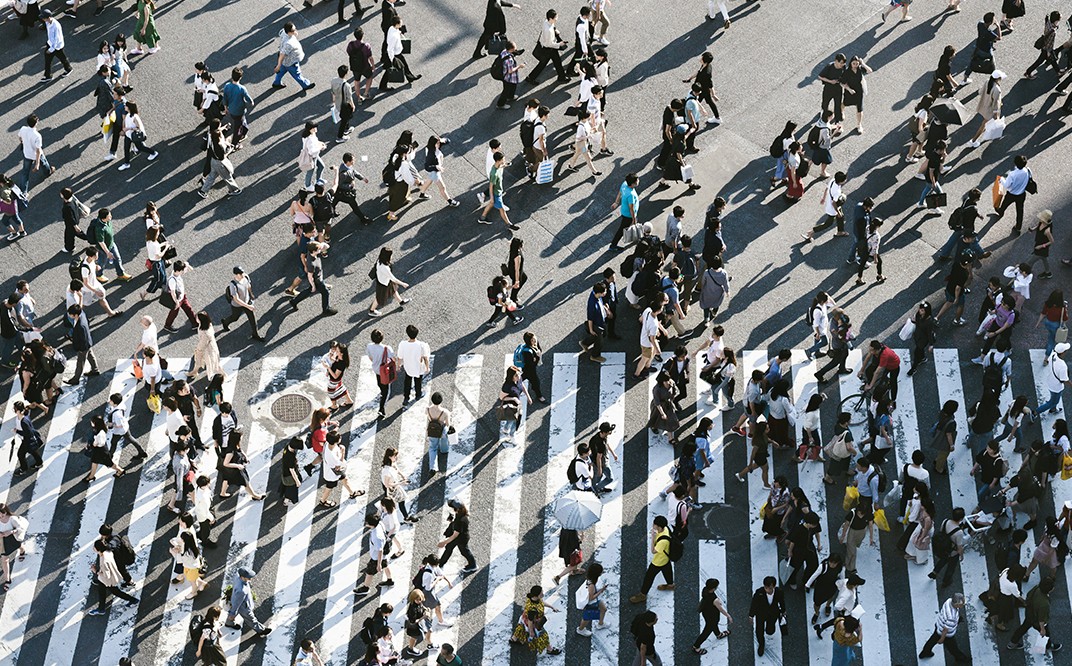
Every individual causes greenhouse gas emissions through various activities such as purchasing products, heating, transport, and energy consumption. As one of the components of the ecological footprint, the carbon footprint is a concept developed in the mid-2000s that refers to the damage caused to the environment by various emission activities carried out by the human population. It aims to measure the damage left by human activities in nature in terms of carbon dioxide (CO2).
One of the main causes of global warming, the carbon footprint is divided into two as primary (direct) and secondary (indirect):
Primary (Direct) Carbon Footprint: It represents the measure of CO2 emissions resulting from fossil fuel consumption. Energy consumption used in transportation and at home is included in this area. For example, using a fossil-fuel vehicle during the day is a factor that increases the carbon footprint.
Secondary (Indirect) Carbon Footprint: It shows the amount of carbon left in the atmosphere during all stages, from production to recycling, of the products used by the population, especially plastic.
Why Does the Carbon Footprint Increase?
Although the carbon footprint increases depending on many elements related to the consumption and activities of the population, the general factors can be listed as follows:
Climate change experienced due to reasons such as the inability to protect green areas and environmental pollution,
Increasing use of personal vehicles,
Fossil fuels used in homes and consumed electricity,
Intense air travel,
Consumption of processed foods,
Wastes consisting of materials that are difficult to decompose in nature,
Lack of established recycling awareness,
Consumption exceeding the needs.
How to Reduce the Carbon Footprint?
The amount of carbon accumulating in the atmosphere can be reduced through some measures taken on both individual and corporate levels. In this context, some of the steps to be taken are:
Ensuring operational and energy efficiency in production areas, and paying attention to thermal insulation in homes,
Adopting effective waste management at the corporate level,
Consuming all resources, especially water and electricity, efficiently in every area,
Choosing energy-saving products and renewable energy sources,
Gaining awareness on recycling,
Preferring products that dissolve quickly in nature or are easier to recycle when meeting needs,
Reducing personal vehicle use and utilizing alternative transportation means such as public transport and bicycles,
Considering alternative transportation means if possible, as airplanes are the transportation method that increases the carbon footprint the most,
Preferring electric or hybrid products instead of products that consume fossil fuel,
Protecting green areas as trees play a balancing role in carbon emissions.
When creating a strategy to reduce the corporate carbon footprint, accurate calculation and reporting are critically important. You can also benefit from our user-friendly software that we offer as QuickCarbon to calculate your company's carbon footprint. You can report your carbon footprint in accordance with the ISO 14064-1: 2018 standard and GHG Protocol, and download this report in Turkish and English with a single click. Contact us immediately to benefit from our service or to request a demo.
Get Started Now
Get in touch with us to get to know QuickCarbon better and to see how it can add value to your processes.
Contact Us