Go Back
What is the Carbon Cycle?
The carbon cycle holds a critical importance for the preservation of living beings and sustainable habitats. As one of the fundamental biogeochemical cycles, the carbon cycle refers to the circulation of carbon among various layers, primarily the atmosphere. However, fossil fuels and certain human activities adversely affect this carbon cycle. This situation leads to serious environmental problems such as global warming and climate change.
The Carbon Cycle
Carbon is one of the most important building blocks of the living cell. It is among the common components of organic substances, such as proteins, carbohydrates, vitamins, and lipids, that form the basis of living organisms. Carbon lies at the heart of the energetic sources and biological processes that ensure the continuity of life. Therefore, the carbon cycle is highly critical for living things to sustain their lives, gain diversity, and for life on Earth to continue.
The carbon cycle is among the types of matter cycles. It is the continuous movement of carbon, which is one of the most important components of all living things in the ecosystem.
The carbon cycle occurs among the biosphere, pedosphere, geosphere, hydrosphere, and atmosphere layers. As a geological and biological process, the carbon cycle occurs as a result of life activities such as respiration, photosynthesis, weathering, decomposition, combustion, and nutrition. The carbon cycle is also divided into two within itself: the fast carbon cycle and the slow carbon cycle.
The Fast Carbon Cycle
The fast carbon cycle is basically defined as the movement of carbon through the cycle over a lifespan. In other words, the fast carbon cycle is the movement of carbon through life forms or the biosphere on Earth. In light of this information, between 1,000 and 100,000 million metric tons of carbon pass through the fast carbon cycle each year.
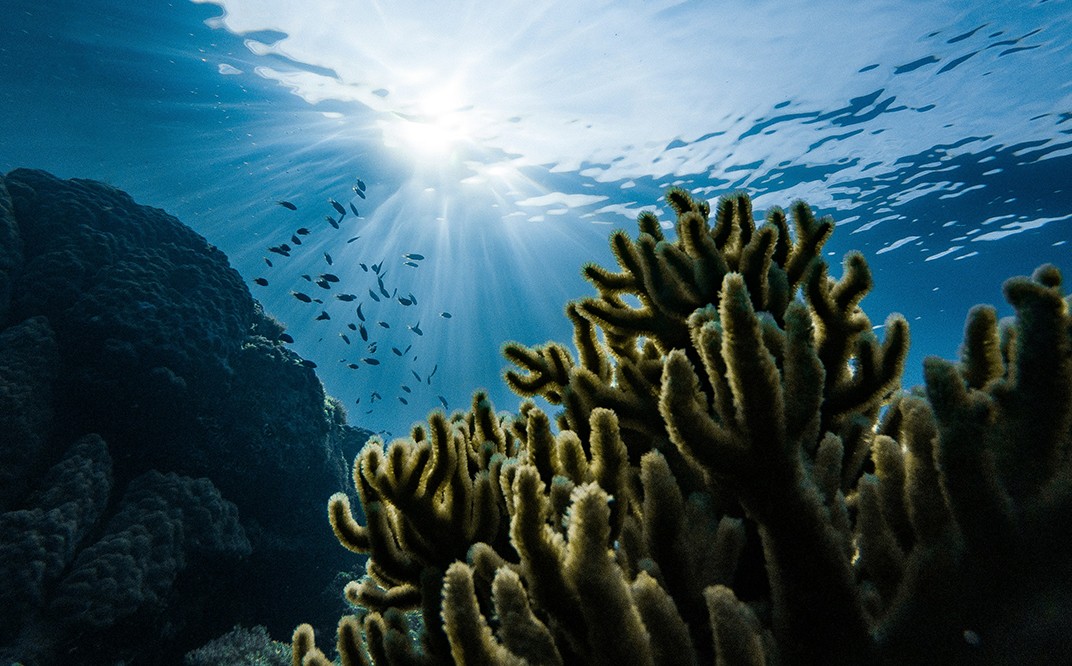
The main components of the fast carbon cycle are phytoplankton (microscopic organisms in the ocean) and plants. Plants and phytoplankton absorb carbon dioxide from the atmosphere into their cells. Utilizing a portion of the carbon dioxide and energy from the sun, plants produce glucose and oxygen. The carbon dioxide released in the reaction generally returns to the atmosphere.
The process of plants converting carbon dioxide into oxygen is a chemical reaction and is formulated as follows:
6 CO2 + 6 H2O + energy –> C6H12O6 + 6 O2
Apart from the cycle provided by plants and phytoplankton, the consumption of plants by other living things to obtain energy also paves the way for the fast carbon cycle. With the consumption of plants and plankton, the plant sugar in their tissues is broken down. Plants and plankton that reach the end of their growing season die and decay. In this case, oxygen combines with sugar, releasing water, carbon dioxide, and energy.
This chemical reaction is also formulated as follows:
CH 2 O + O 2 = CO 2 + H 2 O + energy
The fast carbon cycle fundamentally runs parallel to plant life. Therefore, seasons, which are effective on the growth or death and decay of plants, gain importance for the fast carbon cycle. For example, while the winter season is experienced in the northern hemisphere, few plants grow. However, the number of dying or decaying plants increases. In this case, the level of carbon dioxide in the atmosphere rises. With the arrival of spring, plants enter a growth period again. In this season, the carbon dioxide level in the atmosphere drops.
The Slow Carbon Cycle
The cycle that carbon enters through a series of tectonic activities and chemical reactions is called the slow carbon cycle. At the foundation of this cycle lies the movement of carbon among soil, rocks, the ocean, and the atmosphere. Carbon moves very slowly between these layers, and it takes about 100-200 million years to complete this cycle. On average, 10-100 million metric tons of carbon go through the slow carbon cycle each year.
In the slow carbon cycle, the movement of carbon from the atmosphere to the lithosphere begins with rain. Atmospheric carbon combines with water to form a weak acid (carbonic acid) and falls to the earth with rain. This acid in the rain begins to dissolve rocks. As a result of this chemical weathering, potassium, calcium, sodium, and magnesium ions are released. The released ions are transported to the oceans via rivers. Calcium ions in the ocean combine with bicarbonate ions, leading to the creation of calcium carbonate. After organisms that facilitate the transformation of calcium ions into calcium carbonate (such as corals and plankton) die, they sink to the ocean floor. Over time, the sediment and shells of these organisms turn into rock. The resulting limestone and its derivatives allow for the storage of carbon.
80% of carbon-containing rock types are created as a result of this chemical reaction. The remaining 20% contains organic carbon. This organic carbon, consisting of living things buried in mud layers, is compressed over millions of years under the influence of pressure and heat. As a result, sedimentary rocks are formed. In some specific cases, fossil fuels such as coal, oil, and natural gas are formed instead of sedimentary rocks.
In cases where limestone rocks do not form, carbonates and bicarbonates coming from shelled marine organisms combine with carbon coming from land. They are transferred to sediments on the sea floor and stored there. This stored carbon can wait on the sea floor for hundreds or even thousands of years until the atmosphere needs carbon again. As the amount of carbon in the atmosphere decreases, carbon dioxide gas is released from the ocean to the atmosphere, re-introducing it to the carbon cycle. Moreover, the reverse of this situation can also occur; when the carbon level in the atmosphere rises, the oceans absorb the excess amount of carbon and continue to store it.
Another type of slow carbon cycle is formed by volcanoes. Land and water surfaces on Earth are situated on moving crustal plates. When these plates collide, one sinks beneath the other. As a result of this geological event, the rocks carried by the plate melt under high pressure and heat. The heated rocks transform into silicate minerals, releasing carbon dioxide.
When volcanoes erupt, they vent gas into the atmosphere and surround the land with fresh silicate rock to restart the carbon cycle. Today, between 130 and 380 million metric tons of carbon dioxide are released into the atmosphere each year due to volcanic eruptions. Meanwhile, the amount of carbon dioxide released by humans using fossil fuels is approximately 30 billion tons. In other words, it is 100 to 300 times more than the amount of carbon dioxide resulting from volcanic eruptions.
However, nature regulates this carbon cycle among the atmosphere, land, and ocean. To give an example, if the amount of carbon dioxide in the atmosphere increases due to volcanic eruptions, temperatures also rise, and more rainfall falls on the earth. With the effect of rains, more rock dissolves. It also creates enough ions to deposit large amounts of carbon on the ocean floor. It takes an average of a few hundred thousand years to restore balance to the slow carbon cycle through chemical weathering.
Within the slow carbon cycle, there are also processes that complete their cycle in a slightly faster manner. The layer that comes to the forefront in this process is the ocean. At the point where water integrates with the air, carbon dioxide constantly dissolves into and vents from the ocean in an exchange with the atmosphere. Carbon dioxide entering the ocean undergoes a chemical reaction with water molecules, causing the release of hydrogen. Consequently, the ocean becomes more acidic. Hydrogen then reacts with carbonate, released through rock weathering, to produce bicarbonate ions.
In conclusion, carbon enters the cycle in the atmosphere in many ways. Living things have both indirect and direct effects on these processes that sustain the fast and slow carbon cycles.
What Are the Main Processes that Drive the Carbon Cycle?
There are some fundamental processes that enable the carbon cycle to take place. These processes can be summarized as follows:
Photosynthesis: Plants perform photosynthesis using sunlight, water, and carbon dioxide to produce oxygen and nutrients. During the photosynthesis process, carbon dioxide from the atmosphere is stored in plant tissues.
Respiration: All living organisms on Earth break down nutrients and produce energy through respiration. In the respiration process, the carbon dioxide stored by plants is released back into the atmosphere.
Combustion: Particularly the burning of fossil fuels, forest fires and other fires also cause more carbon dioxide to be released into the atmosphere.
Sedimentation: Carbon dioxide in the oceans eventually turns into carbonate and bicarbonate ions. These ions sink to the ocean floor, and carbon dioxide is stored.
Dissolution in Water: Due to its nature, carbon dioxide can dissolve in water, converting into carbonate and bicarbonate ions.
Waste Production: The waste of all living things, including humans, contains carbon dioxide, methane, and other greenhouse gases. While these gases inside the waste are released into the atmosphere and cause the greenhouse effect, they also constitute a form of the carbon cycle.
Underground Burial: Animal and plant remains turn into fossil fuels over millions of years. Using these resulting fossil fuels to convert them into energy paves the way for the release of carbon dioxide and the completion of the carbon cycle.
Where is Carbon Stored?
Carbon is stored when it does not enter the cycle and is not released as carbon dioxide. Storages of carbon generally include the atmosphere, bodies of water, and the earth. Carbon on the earth is usually found in the structure of petroleum, coal, and limestone. Carbon, which exists as carbon dioxide in the atmosphere, is found in water as both carbon dioxide and bicarbonate.
The places where carbon is stored can be listed as follows:
Atmosphere,
Ocean surface and depths,
Kerogen,
Biosphere (living and dead biomass),
Fossil fuels.
The amount of carbon between all storage areas changes over time. Biological, chemical, physical, and geological processes underlie these changes. However, even if the amount of carbon between areas changes, the carbon exchange between ecosystems is extremely balanced.
The Importance of the Carbon Cycle in Terms of Sustainability
The carbon cycle is an indispensable process to ensure life on Earth is not disrupted. Disruptions to the planet's carbon cycle cause a series of environmental problems, primarily loss of biodiversity and climate change. As a result, the habitat of living things begins to be threatened. Therefore, the carbon cycle must occur smoothly. For the carbon cycle to become sustainable, intense effort is required, from a global scale to individual awareness.
Today, increasing greenhouse gas emissions and deforestation pave the way for the disruption of the carbon cycle. One of the most important consequences of the carbon cycle disruption is climate change. Especially the rise in greenhouse gas emissions causes the amount of carbon dioxide in the atmosphere to increase. Consequently, climate change and global temperature rise gain momentum.
In order to prevent the disruption of the carbon cycle and thus ensure the sustainability of life on Earth, energy efficiency should be enhanced, greenhouse gas emissions should be reduced, and forests and biodiversity should be protected. In this way, potential environmental problems can also be prevented.
What Factors Affect Carbon Formation in the Atmosphere?
Carbon, which is generally found as carbon dioxide in the atmosphere, is released as a result of numerous activities of living things. Prominent among these activities are respiration, photosynthesis, combustion, and fossil formation. Other factors affecting carbon formation can be listed as follows:
Volcanic eruptions occurring in volcanoes,
Cellular respiration,
The movement of water surfaces,
Dissolution of carbonate rocks,
Decomposition of deceased organisms.

The Impact of Human and Corporate Activities on the Carbon Cycle
The advent of the industrial revolution and the acceleration of industrial activities have led to an increase in human influence on the carbon cycle. In this framework, the direct and largest impact of human activities on the carbon cycle stems from the use of fossil fuels. With the combustion of fossil fuels, carbon is directly transferred from the geosphere to the atmosphere.
Fossil fuel use is followed by unsustainable land use and deforestation. As a result of these two fundamental wrong actions, the amount of carbon dioxide in the atmosphere increases, paving the way for environmental problems. Along with the use of fossil fuels, humans need to be educated about the efficient use of agricultural lands and waste management.
Another human impact, which is also linked to industrialization, is the chemical processing of limestone into cement. As a result of this transformation, the cobalt in limestone is freed. Another human activity affecting the carbon cycle is observed in the carbon cycle occurring in the oceans. However, this is not a direct but rather an indirect effect. With the occurrence of climate shifts, higher ocean temperatures arise and the ecosystem in the ocean changes. Accordingly, the carbon buffering capacity of the atmosphere may decrease and biodiversity may be negatively affected.
When it comes to industry, it is clear that corporate activities also play an active role in the carbon cycle. Especially corporations that use fossil fuels in their production processes directly affect the carbon cycle. Therefore, it is highly important for companies to turn to renewable energy sources if possible, or to develop strategies regarding energy efficiency.
Another important issue concerning companies is the policies they follow in resource utilization and waste management. Companies must consider the life cycle in resource use, act with sensitivity regarding recycling, and minimize negative environmental impacts by observing sustainability policies.
Consequences of Affecting the Carbon Cycle
The increased amount of carbon resulting from the activities of humans, institutions, and companies must go somewhere. So far, 55% of the excess carbon has been absorbed by the oceans and land plants. The other 45% of excess carbon has remained in the atmosphere. Over time, the oceans and land plants will take up most of the remaining carbon, but up to 20% of this amount can continue to remain in the atmosphere for thousands of years. Fundamentally, all changes occurring in the carbon cycle affect both living things and their habitats.
Effects on the Atmosphere
Carbon dioxide is an important gas that controls the Earth's temperature. For this reason, greenhouse gases such as various halocarbons and methane, primarily carbon dioxide, cause the Earth to warm. If there were no greenhouse gases at all, the Earth would be frozen, and having too many greenhouse gases would cause the Earth’s temperature to reach 400 degrees. Therefore, the balance of greenhouse gases in the atmosphere is extremely important.
An increase in the Earth's temperature also brings about certain effects. One of these effects is the evaporation of more water from the oceans due to rising temperatures. With evaporation, air masses expand and higher humidity rates emerge. Consequently, as the carbon level in the atmosphere increases, the rise in temperature and humidity continues.
Effects on Land
Plants growing on land have absorbed approximately 25% of the carbon dioxide that humans have released into the atmosphere, but the amount of carbon absorbed by plants varies each year. At the same time, the presence of more carbon dioxide in the atmosphere than plants can use in photosynthesis paves the way for plants to grow more. This phenomenon is also known as carbon fertilization. Unless there is another environmental issue such as water scarcity, it is predicted that plants can grow between 12 percent and 76 percent in case the carbon level in the atmosphere doubles.
One of the elements that alter carbon absorption on land is related to the use of agricultural land. Along with modern agriculture, the era of growing more food on less land has begun. Unused agricultural lands continue to turn into forests. These forests store much more carbon. In many parts of the world, forest fires are brought under control, preventing carbon from releasing into the atmosphere. The development of land plants and the protection of forests also help absorb the human-induced increasing amount of carbon. In tropical regions, however, the situation is different. As a result of uncontrollable forest fires, forests are destroyed and carbon dioxide release increases.
In this framework, it is also highly likely that changes occurring in the carbon cycle will pave the way for climate change. Temperature and humidity rising under the influence of carbon dioxide lead to the lengthening of seasons. Moreover, this situation also causes soil warming. When the soil warms, organic matters decay, and carbon is released into the atmosphere in the form of methane and carbon dioxide.
Effects on the Ocean
About 30% of human-induced rising carbon dioxide has dissolved directly into the ocean through chemical exchange. The increase in the amount of carbon dioxide in the ocean has also caused an increase in the acidity rate. The acidification of ocean water has two different consequences. The first is the formation of bicarbonate as a result of carbonic acid reacting chemically with carbonate ions in the water. This situation can reduce the amount of calcium carbonate that some animals need to build shells. Consequently, the shells of animals also become thinner and more fragile.
The second striking consequence is that as the acidity level of the water increases, its power to dissolve calcium carbonate also increases. Thus, in the long term, the ocean becomes able to absorb more carbon dioxide. But similarly, the acidification of ocean water also causes the shells of marine organisms to dissolve and weaken. The warming of ocean water can also cause a decrease in phytoplankton, which find the opportunity to grow in cool and nutrient-rich waters.
Calculate Your Carbon Footprint with QuickCarbon
As QuickCarbon, we offer software that develops calculation and reporting solutions according to the ISO 14064-1:2018 Standard and GHG Protocol to give your corporate identity an eco-friendly image and to bring your firm into a sustainable structure. You can calculate your corporate footprint with QuickCarbon and take the necessary steps for a more sustainable future.

Get Started Now
Get in touch with us to get to know QuickCarbon better and to see how it can add value to your processes.
Contact Us