Go Back
A Great Step for Development: The Brundtland Report
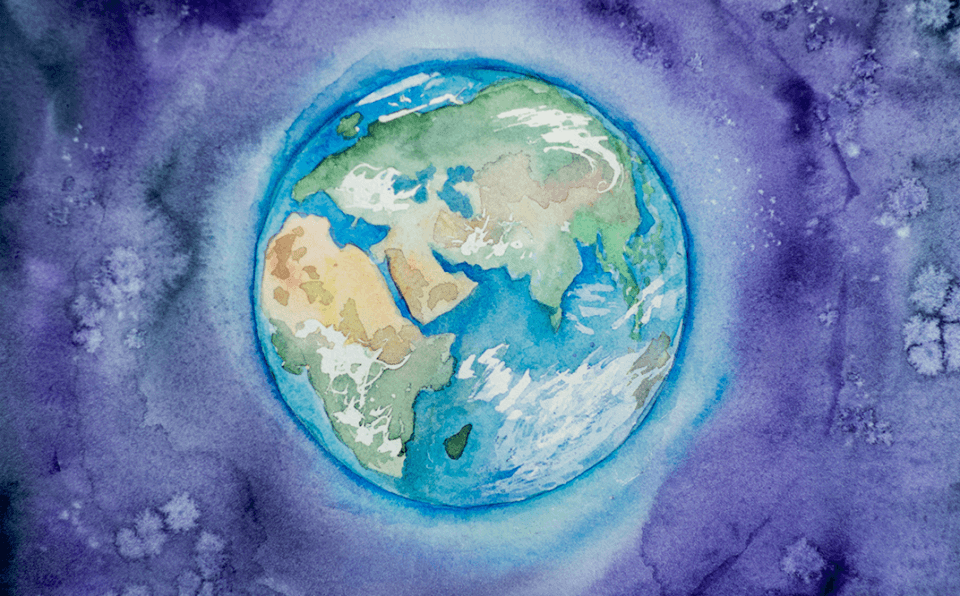
Concerns that began to be felt about the course of the world toward the end of the 20th century made it necessary to take some steps to reverse this trend. The rapid rise in the planet's temperature, the extreme weather events, the threat to ecosystems and biodiversity, and many other factors prompted the United Nations to establish a commission. The Brundtland Report, presented by this commission, also known today as the Brundtland Commission, launched a global fight for the protection of the planet.
What is the Brundtland Report?
Also known as Our Common Future, the Brundtland Report is important as the first major step to introduce the concept of "sustainable development", explain the steps necessary to implement it, and describe why sustainability is so vital for the world.
Prepared in 1987 by the World Commission on Environment and Development (WCED) supported by the United Nations, the report was published through Oxford University Press. In the Brundtland Report, sustainable development is defined as "development that meets the needs of the present without compromising the ability of future generations to meet their own needs."
Discussing environment and development under a single umbrella, the Brundtland Report investigated the causes of environmental degradation. Thanks to the work carried out by the WCED, also referred to as the Brundtland Commission, environmental issues managed to find a place on the political agenda. Striving to understand the links between economic growth, social equity, and environmental problems, the report also developed policy solutions for these areas. It also pioneered the development of long-term sustainable development plans and a global struggle for sustainable development. The Brundtland Report also united around the idea of "preserving resources to be fair to future generations."
The Brundtland Commission had actually convened in late 1983. The Brundtland Report, which emerged from the analysis and synthesis of data from written submissions and testimonies of high-level government representatives, research institutes, industrialists, scientists and experts, the general public, and non-governmental organization representatives, is the product of approximately 900 days of work.
Content of the Brundtland Report
The Brundtland Report states that economic values are not sufficient for development. Therefore, sustainable development is evaluated in its environmental, economic, and social dimensions. Gro Harlem Brundtland, in a speech at the National Academy of Sciences in the USA after the publication of the report, stated that "the core concepts of the report transcend nationality, ideology, race, and culture." The Brundtland Report also stated that collective responsibility and international cooperation are needed to address global environmental issues.
The basic principles of the report can be listed as follows:
Population
The Brundtland Report states that population growth in the world cannot continue indefinitely and that if fertility replacement levels are reached, the global population will stabilize by 2060. The report also predicts that in the 21st century, the human population will stabilize at a point between 7.7 and 14.2 billion, and more people will live in cities than in rural areas. Improving health and education among women is presented as a solution to the resource problems and demographic challenges experienced due to high birth rates, especially in developing countries. It is also stated that if natural resources are not regulated, poverty will reach a much more serious level.
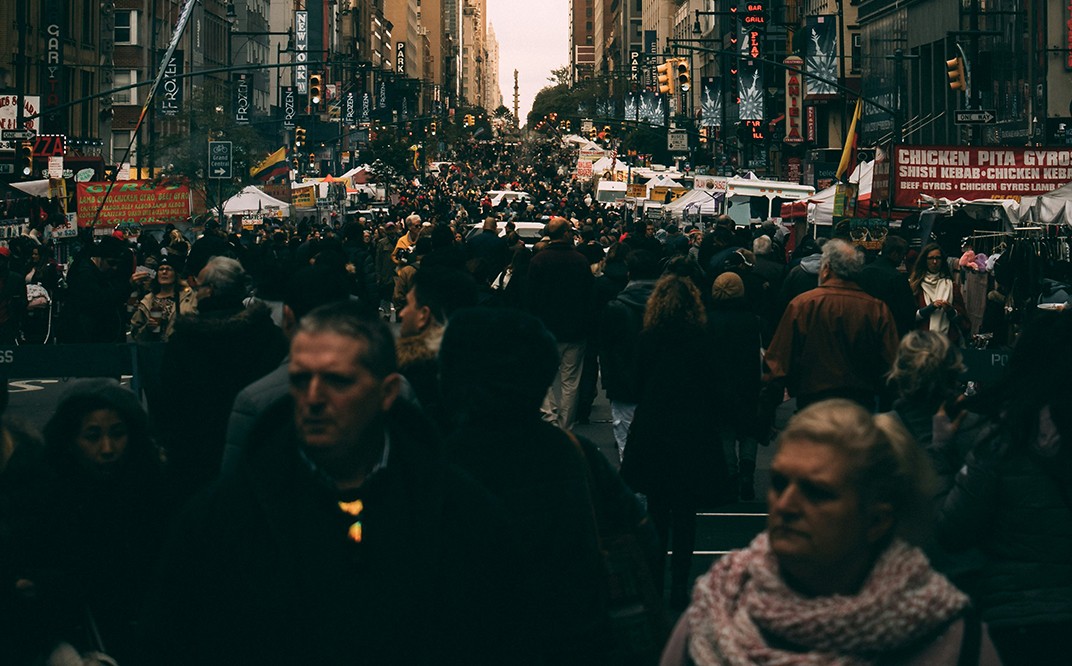
The Brundtland Report states that poverty reduces sustainability. Thus, reducing poverty and achieving social justice are requirements for sustainable development. Poverty and inequality must be combated to protect the environment and grow the economy.
Food Security
Examining the report on "Food Security, Agriculture, Forestry, and Environment" submitted to the Brundtland Commission, a study says that although per capita grain production has increased globally, it has declined in Africa and the Middle East. Because this surplus production was obtained at high economic and ecological costs, it negatively affected developing economies. This means there is a direct link between poverty and environmental degradation. Therefore, new approaches should be developed in agricultural research systems.
The Brundtland Report states that despite adequate production potential, food security is not ensured due to a distribution problem. To overcome this, it suggests protecting small farmers through land reforms. The report notes that some countries have failed to maintain their comparative advantages, and dynamic surpluses are the cause of this. It also questions the reduction of food production for trade purposes.
Loss of Species and Genetic Resources
The Brundtland Report states that the threat to genetic resources, ecosystems, and biodiversity is growing day by day and must be addressed as a global issue. It emphasizes the need to establish large natural conservation areas to sustain species, genetic resources, and ecosystems. Furthermore, components must be used sustainably, access to genetic resources must be appropriate, and benefits arising from the use of genetic resources must be shared fairly.
Energy
The growth of population, industry, and production capacity has created a larger need for energy. The fact that a critical portion of this energy demand is met by fossil fuels has also caused carbon emissions to rise.
With the Brundtland Report's call for sustainable development, many countries have taken significant steps toward transitioning to renewable energy sources such as wind, solar, and hydropower. However, governments have an important role to play in phasing out fossil fuel use completely. For example, adjusting prices based on supply and demand dynamics during the transition to renewable energy is a major barrier to sustainability, and necessary measures must be implemented by governments. With the transition to sustainable energy sources, it will be possible to reduce carbon emissions and preserve natural resources for future generations.
Industry

Industry plays an important role in economic growth and development. It also serves as an engine to meet growing needs. However, the potential of industry to deplete natural resources and damage the environment cannot be denied. The Brundtland Report stresses that measures such as clean production technologies, waste management, and environmental impact assessments must be taken for a sustainable industry. A global effort is required for a sustainable industry, and international cooperation will facilitate this process.
Human Settlements
According to the Brundtland Report, with the growing population, city administrations must increase urbanization, infrastructure, and service capacities. Illegal buildings and poor quality infrastructure, which are results of rapid growth and urbanization, must be combated. Improving the resources and increasing the power of local governments in order to respond more quickly to local needs is also emphasized in the Brundtland Report.
In Light of the Brundtland Report: Rio Summit and Agenda 21
Approximately 5 years after the publication of the Brundtland Report, the United Nations Conference on Environment and Development, also known as The Rio Earth Summit, convened. Representatives from 178 countries and heads of state from more than 100 countries attended the conference.
Considered a turning point, this event saw the signing of two major treaties: the Convention on Biological Diversity and the United Nations Framework Convention on Climate Change. At the same time, Agenda 21, the Rio Declaration (a statement of principles), and the Statement of Forest Principles were also signed at the Rio Earth Summit.
In particular, Agenda 21 stands at a vital point regarding sustainable development goals. With Agenda 21, a framework for action toward the 21st century was established. This framework included the creation of a new Commission on Sustainable Development, combining environmental protection with equal and fair development for all. Agenda 21 still forms the basis of the United Nations' current Sustainable Development Goals today.
A Valuable Legacy for Sustainability: The Brundtland Report
The Brundtland Report basically calls for transitioning to renewable energy sources, protecting natural resources, and sharing resources fairly. Thanks to all these measures, it may be possible to see the world heal. However, this places great responsibility on countries, businesses, and individuals.
At QuickCarbon, we develop user-friendly solutions that allow you to measure and calculate your corporate footprint to support sustainable development goals. With our QuickCarbon software, which enables calculations and reporting according to the ISO 14064-1:2018 Standard and GHG Protocol, you can calculate your corporate carbon footprint and take a big step toward sustainable development goals.
Get Started Now
Get in touch with us to get to know QuickCarbon better and to see how it can add value to your processes.
Contact Us