Go Back
The Key to Environmental Sustainability: Renewable Energy Sources
The negative environmental effects of fossil fuels and the depletion risk have increased the need for renewable energy sources. Renewable energy, which can be obtained from natural sources, is seen as the key to sustainability in the face of the energy demands of an ever-growing population. Renewable energy, with its many different aspects, offers personal, corporate, environmental, and even global advantages.
What is Renewable Energy?
According to the definition by United Nations Climate Action, renewable energy is energy derived from natural sources that are replenished at a higher rate than they are consumed. Unlike energy sources such as natural gas, oil, and coal, whose formation takes hundreds of millions of years, they are sources that are continuously renewed, such as solar and wind energy.
It is not possible for renewable energy sources found in nature to be completely consumed by any living thing, especially humans. For this reason, renewable energy is the type of energy with the highest sustainability rate under today's conditions.
What Are Renewable Energy Sources?
There are key sources that form the basis of renewable energy.
Solar Energy
When it comes to renewable energy sources, the first source that usually comes to mind is solar energy. The rate at which solar energy is intercepted by the earth is about 10,000 times greater than the energy consumption rate of all mankind. This makes solar energy the most abundant resource on the planet.
Thanks to various solar energy systems, solar rays are collected. These collected rays are converted into electricity, light, or heat energy. Solar technologies convert sunlight into electrical energy through photovoltaic panels or mirrors that concentrate solar radiation.
Solar energy systems are used by being placed on building roofs, various devices, or vehicles. They can provide heating, cooling, lighting, electricity, and fuel for many applications. Solar panels, whose production costs have fallen significantly in recent years, have become one of the most convenient energy sources in many parts of the world.
Wind Energy
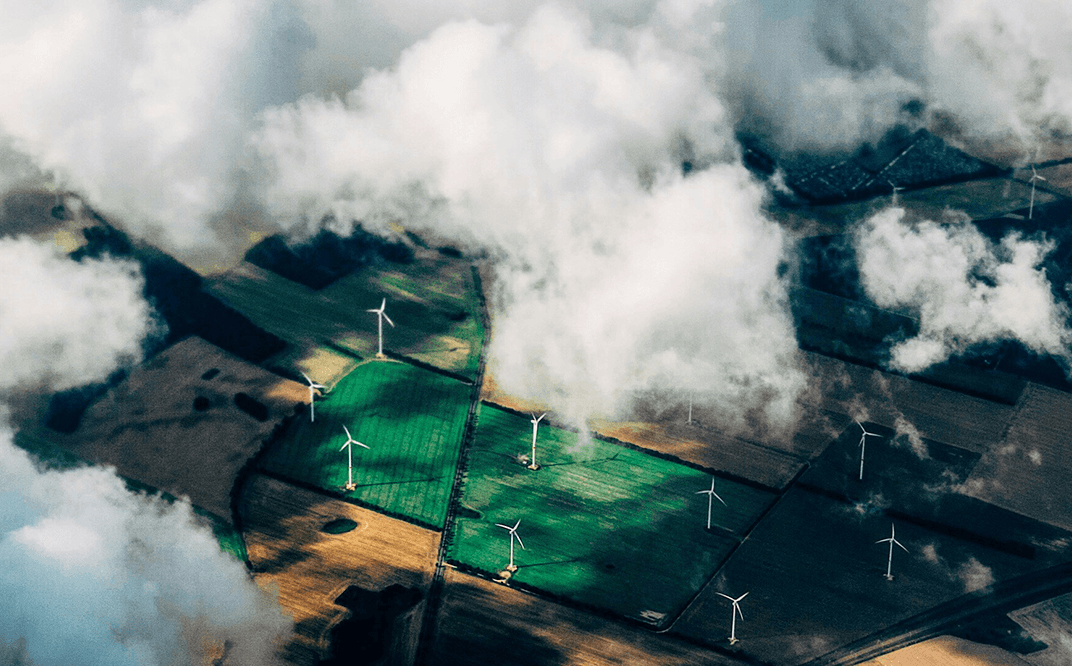
Wind energy is basically obtained by converting the kinetic energy of the wind into electrical energy. Wind turbine technologies or windmills are generally used for this. Used for thousands of years, wind energy has become a much higher-level source of electricity thanks to technological developments.
The amount of electricity obtained varies depending on the speed and duration of the wind. For this reason, wind turbine technologies need to be positioned at points where the wind is intense and in regions where the wind speed exceeds a certain rate on an annual basis. However, although average wind speeds vary in each region, the wind energy potential on the planet exceeds global electricity production.
Hydroelectric Energy
Hydraulic energy or hydroelectric energy is a type of renewable energy produced by the flow and fall speed of water. Hydraulic energy, which allows electricity to be produced by utilizing the energy of water, is also an advantageous type of energy in terms of production costs. Therefore, it is widely used worldwide.
To produce hydroelectric energy, power plants must be built. However, these plants need to be built in elevated regions. Thus, as the water flow velocity increases, the efficiency of hydroelectric plants will also increase.
It is produced by utilizing reservoirs or rivers. In one, water stored in a reservoir is used, while in the other, the flow rate of the river is utilized. This source, which usually relies on stable rainfall patterns, can be negatively affected by climate change.
Geothermal Energy
Geothermal energy is the conversion of accumulated heat and chemicals leaking from deep within the earth into energy. Accessible thermal energy derived from the Earth's interior is obtained from geothermal reservoirs through heat, wells, or different methods.
The electricity capacity that geothermal energy can produce varies according to the temperature of the water reaching the surface from the magma. In addition to electricity production, geothermal energy is also used in heating, chemical production, greenhouse cultivation, and fisheries. In addition, geothermal energy is quite important in terms of thermal tourism.
Wave (Ocean) Energy
Mechanical energy, which occurs with the effect of waves and tides, is converted into renewable energy thanks to wave energy systems. Through developing technology, this system can be applied in regions that are both close to and far from the coast.
There is a significant temperature difference between the water on the surface of the oceans, which collects solar rays and gets too warm, and the cold water in the depths of the ocean. This temperature difference between the surface and the depth of ocean water also creates a natural thermal energy.
Biomass Energy (Bioenergy)
Biomass energy utilizes all domestic organic waste, especially fruit and vegetable waste, as well as industrial, animal, and plant waste. Thus, a kind of organic energy source emerges. Biomass energy, which can be produced in any region, is converted into different types of fuels: solid, liquid, and gas. At the same time, it does not release carbon dioxide like fossil fuels.
Hydrogen Energy
Hydrogen is an easily found molecule in the universe. However, it is an option that is difficult to produce among renewable energy sources. Therefore, it has not gained widespread use. Hydrogen energy is generally used in fields that require heat and combustion. During the use of hydrogen, water or water vapor is released into the atmosphere. In parallel with technological developments, it can be seen as an important candidate for meeting energy needs on a global scale.
Importance of Renewable Energy Sources
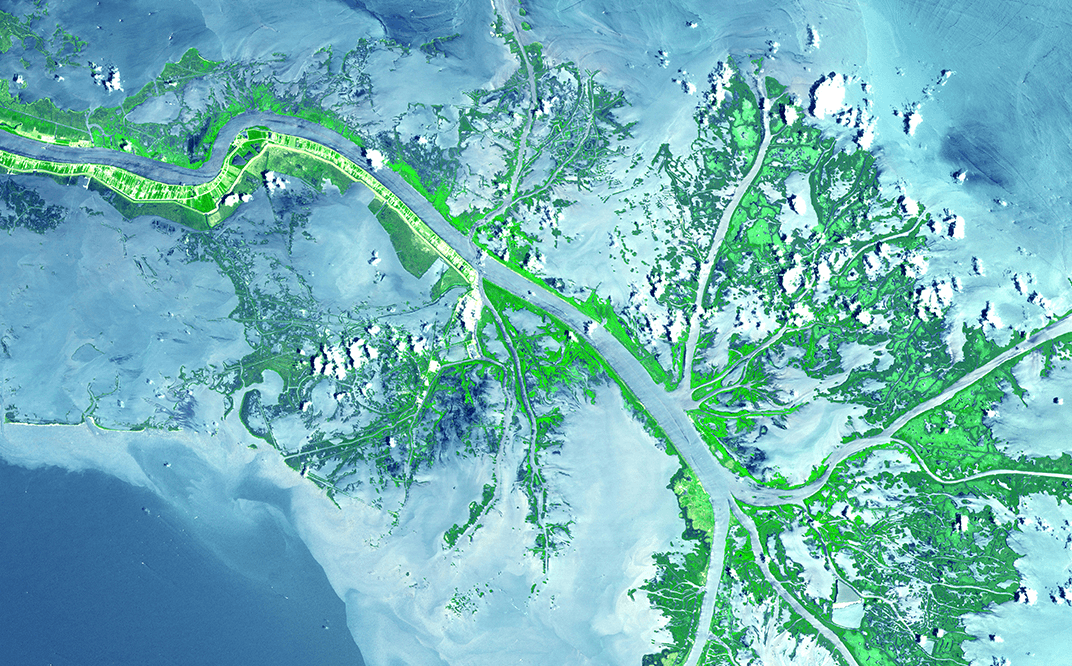
The greenhouse gas emissions caused by renewable energy sources are extremely low compared to fossil sources. In fact, the vast majority of these sources are qualified as clean energy since they have zero emissions. In this respect, renewable energy sources offer the opportunity to eliminate the destruction left by fossil fuel types in nature and the environment. This situation also helps the creation of sustainable living spaces and ensures that natural resources can reach future generations.
Another importance of renewable energy sources is that they allow indefinite use. The expansion of the scope of renewable energy creates strong alternatives to meet the energy demands of the population in every sense. Finally, this type of clean energy, which does not harm the environment, also plays an important role in slowing down the rate of global warming.
Advantages of Using Renewable Energy
Using renewable energy sources brings many benefits. These advantages can be analyzed on both an individual and corporate basis. In particular, it is possible to say that companies get back more than they invest in renewable energy.
In this framework, the advantages of using renewable energy for companies are as follows:
Reduces energy production costs.
Ensures having a sustainable energy system.
Eliminates the greenhouse gas effect.
Increases profitability.
Allows for additional income from excess energy produced.
Since it reduces dependence on energy, it ensures that issues that may arise in the energy sector are felt at a minimum level.
Renewable energy sources make significant contributions not only to the economy of the companies but also to the national economy. The foreign dependency of countries on energy can be eliminated thanks to these energy sources.
Similar advantages offered by renewable energy also apply to individuals. In particular, it helps users to reduce their energy expenses in the long run. Thus, an opportunity to gain both energy independence and energy security is achieved on an individual level. At this point, systems such as solar panels and wind turbines stand out in individual use and help meet the demanded energy. Homeowners or businesses that generate their own electricity are also minimally affected by changes in energy prices.
Companies that want to be a part of sustainable life and aim to eliminate the impact of environmental damage by reducing carbon emissions can assess what kind of policy they can follow by determining their carbon footprint. With the software we offer as QuickCarbon, we report corporate carbon footprints of institutions according to the ISO 14064-1:2018 Standard and GHG Protocol without requiring any consulting services. You can also evaluate these reports in the best way possible to plan what kind of breakthroughs you can make for environmental sustainability.

Get Started Now
Get in touch with us to get to know QuickCarbon better and to see how it can add value to your processes.
Contact Us