Go Back
Climate Change: Its Causes and Negative Impacts
Climate change is one of the most complex and universally prominent issues of our time. Scientists have been trying to draw attention to it for years, and climate change is an extremely critical issue that deeply affects not only the future but also the present. So, what is the core of this concept that drives governments to policy changes and resonates in civil society? How does it affect ecosystems and daily life, and what can be done to prevent climate change?
What is Climate Change?
Climate change refers to long-term changing temperatures and weather patterns. Such changes can be natural, due to variations in solar activity or major volcanic eruptions. However, human activities in the period following the Industrial Revolution have become the primary driver of climate change. The major contributor to this change is the consumption of fossil fuels.
Greenhouse gases, such as carbon dioxide and nitrous oxide, which exist in balanced proportions in the atmosphere, help trap some of the sun's rays. This maintains the Earth's temperature at a certain level, ensuring the continuity of life on the planet. This warming and heat retention process is called the greenhouse effect. Fossil fuels have caused significant alterations in the rate of this natural greenhouse effect, consequently triggering the planet to warm up much faster.
What is Global Warming?
Greenhouse gases keep seas and oceans from freezing by trapping some of the heat on Earth. However, the accumulation of these gases at high levels in the atmosphere causes the planet to warm up beyond normal, creating vital risks. For instance, increases in industrial activities alongside industrialization and population growth cause the emission of large quantities of greenhouse gases.
Greenhouse gases accumulating in the atmosphere increase the Earth's average temperature, bringing along many different environmental problems such as global warming. While global warming disrupts the balance in nature, it leaves negative impacts on the environment both locally and globally.
What Are the Causes of Climate Change?
The causes of climate change can be analyzed under two main categories: environmental causes and anthropogenic (human-caused) causes.
Environmental Causes
Environmental causes refer to climate changes that occur through natural conditions. Although situations causing major changes have occurred in the past, the impacts of these environmental causes have been extremely limited over the last few centuries. We can list them as follows:
Volcanic Eruptions: Ash and sulfur compounds released as a result of these eruptions remain suspended in the air. This blocks sunlight from reaching the Earth, leading to climate changes.
Solar Flares: The Sun is the primary source of energy for the Earth. Therefore, variations in solar activity are capable of directly affecting the climate system. For example, radiation emitted to the planet as a result of solar flares plays an active role in significantly raising temperatures on Earth.
Sunspots: A decrease in sunspots has a cooling effect on the planet. However, its effect is extremely limited due to increasing greenhouse gases.
Meteoric Events: Meteorites colliding with Earth can also cause radical changes in climates. For instance, a meteorite that struck Earth 66 million years ago radically altered the climate for millions of years.
Biological Events: Some activities of living organisms also have an impact on climate changes. The increase or decrease of certain organisms can influence the climate.
Forest Fires: Forest fires caused by natural events are one of the primary drivers of global warming. Because trees can absorb excess carbon dioxide from the atmosphere, they have the ability to mitigate the effects of gases that could cause climate change.
Permafrost: Frozen soils (permafrost) cause large amounts of carbon to leak into the earth's atmosphere. This is one of the key factors triggering global warming.
Anthropogenic Causes
Anthropogenic causes describe changes that emerge as a result of human activities. Studies conducted by climate scientists show that humans are responsible for almost all of the global warming over the last 200 years.
Non-renewable Energy Sources: The use of fossil and biomass fuels is among the greatest damages human activities inflict on nature. These sources generate greenhouse gas emissions and play a critical role in climate change.
Incinerated Waste and Trash: Incinerating waste and trash leads to the release of high amounts of toxic gases, such as methane, into the atmosphere.
Population Growth: Rapidly increasing population leads to more energy and natural resource consumption, and higher carbon dioxide emissions.
Mining Activities: Mining operations are a significant factor that increases the atmospheric levels of harmful gases such as methane and carbon dioxide.
Fertilizer Use: The use of synthetic fertilizers in agriculture produces nitrous oxide. Nitrous oxide is a gas 300 times more dangerous than carbon dioxide and is cited as one of the primary causes of global warming.
Livestock Activities: Many processes in the livestock sector cause large quantities of carbon dioxide emissions to be released into the atmosphere. For this reason, high meat consumption indirectly affects climate change as well.
Deforestation: The destruction of forested areas for activities such as livestock, agriculture, and construction is among the primary land-use changes causing climate change.
What Are the Negative Impacts of Climate Change?
Changes in climate cause difficulties in many areas, from biodiversity to ecosystems, and from economy to human life. In the Paris Agreement, which entered into force in 2015, the target was set to keep global warming below 2 degrees Celsius.
Some of the negative impacts that have occurred due to climate change, and those that may occur if the set target is not met, include:
Rapidly rising air temperatures cause severe damage to biodiversity. Changes occurring on land and in water can drive some species to shift their habitats. It can also cause some species to go completely extinct.
Due to warming temperatures, glaciers in the polar regions melt, causing sea levels to rise. An increase in the number of natural disasters such as floods, landslides, and erosion is also observed.
With the temperature increase on the planet, decreases in the capacities and reserves of water basins may begin. At the same time, the water capacities of lakes and rivers may also suffer from the existing heat. This is an important factor that could cause water, a fundamental necessity of life, to become insufficient over time.
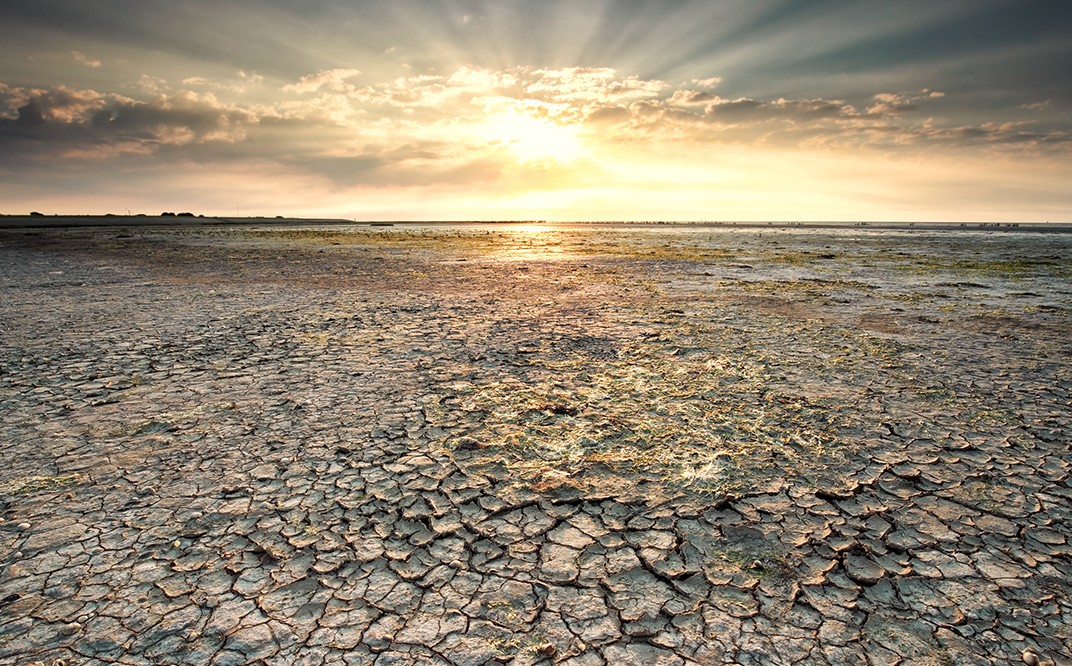
With rising temperatures, forest fires also become more frequent, and an increase is observed in desertified areas. This brings along drought and famine, leading to major problems.
Permafrost in polar regions melts as a result of global warming, releasing trapped greenhouse gases into the atmosphere. This causes gases that can harm the climate to accumulate more in the atmosphere.
Climate changes trigger more frequent occurrences of extreme weather events such as extreme temperatures, heavy precipitation, and hurricanes.

What Can Be Done to Prevent Climate Change?
Climate change can negatively affect not only the environment but also economic and social life in many ways. Measures that can be taken at individual and societal levels to prevent climate change are as follows:
Energy Saving: Unplugging appliances like televisions, computers, and phone chargers when they are not in use is an important step to prevent climate change. Even if electronic devices are not in use, they continue to consume energy as long as they are plugged in. At the same time, energy-saving options can be utilized in all electronic devices.
Sustainable Energy Sources: By reducing fossil fuel use in both individual consumption and production sectors, sustainable energy sources can be preferred. The use of technologies supporting renewable energy sources, such as home-type solar panels and wind turbines, can be expanded.
Afforestation: By increasing green spaces, more trees can be planted. For example, parks and gardens support temperature stabilization by preventing overheating within the city.
Water Conservation: Protecting water resources, which are decreasing as a result of global warming and climate change, is extremely important for the continuation of a sustainable future. The decrease in agricultural and forest products due to desertification and drought caused by global warming is alarming. Therefore, water conservation must be achieved in individual use, agriculture, and industries.
Sustainable Agriculture: The production processes of meat and dairy products cause massive carbon emissions into the atmosphere. By reducing the consumption of these foods, carbon footprints can also be significantly reduced. In addition, by choosing local agricultural products instead of consuming exotic fruits and vegetables, the greenhouse gases that emerge during transportation can be eliminated.
Transportation: For short-distance travel, more environmentally friendly alternatives such as railways can be preferred over airways. Because airplanes consume heavy amounts of fossil fuels and cause emission of high amounts of greenhouse gases. At the same time, turning to hybrid or electric models when purchasing vehicles are options that can reduce the need for fossil fuels. For short distances, eco-friendly options such as public transportation or bicycles can be considered instead of motorized vehicles.
Recycling: By improving waste management systems, the spread of harmful gases resulting from waste incineration into the environment can be prevented. At the same time, energy and raw materials can be saved by expanding the use of products made from recyclable materials.
We mentioned that the most important factor driving climate change is fossil fuels. The areas where these fuels are consumed the most are production processes. For this reason, raising awareness among institutions and companies regarding carbon emission reduction and using sustainable methods will create significant changes.
As QuickCarbon, we enable organizations to calculate and report their carbon footprints based on the ISO 14064-1:2018 standard and GHG Protocol without the need for any consulting services. Based on the reports you obtain, you can reduce your activities that may cause climate change and support the construction of a sustainable future.

Get Started Now
Get in touch with us to get to know QuickCarbon better and to see how it can add value to your processes.
Contact Us