Go Back
What is a Carbon Credit?
Carbon credits, also known as carbon offsets, refer to verifiable carbon emission reductions. With positive aspects such as supporting the empowerment of communities, improving forests, protecting the ecosystem, and reducing dependence on fossil fuels, carbon credits can help prevent, reduce, and in the long run, completely eliminate greenhouse gas emissions. So, what is a carbon credit? Let's take a look together at the importance of carbon credits and how they work.
Carbon Credit as an Incentive Method
A carbon credit refers to a permit allowing holders to emit a certain amount of carbon dioxide or other greenhouse gases (GHG). Positioned among the financial instruments that help reduce or completely eliminate greenhouse gas emissions in the atmosphere, a carbon credit represents one metric ton of CO2. Carbon credits can be generated through projects that capture carbon in the atmosphere, such as forestation projects, or projects aimed at reducing carbon emissions, such as renewable energy projects.
Carbon credits serve as a kind of permit for carbon emissions. Based on the cap-and-trade model used to reduce sulfur pollution in the 1990s, carbon credits financially incentivize companies to reduce their carbon emissions. When companies purchase carbon permits from governments, it means they obtain permission to generate one ton of CO2 emissions. If a company has excess credits, it can sell these credits to other companies.
In a shorter definition, carbon credits can be explained as "a mechanism that will reduce greenhouse gas emissions." This is also a monetary incentive for the reduction of greenhouse gas emissions, and organizations can turn these incentives into a revenue opportunity for themselves.
What Are the Types of Carbon Credits?

The types of carbon credits are divided into two according to the organic benefits they provide to the environment. These carbon credit types are as follows:
Voluntary Carbon Offset Credits
These are credits obtained from projects in which governments or organizations voluntarily participate to prevent carbon emissions. Traded in the Voluntary Carbon Market, these credits can be purchased by governments and organizations to offset the damage caused by carbon footprints to the environment without any legal requirement. Generally, projects involving forest protection, transitioning to renewable energy sources, and community development initiatives are projects that generate voluntary credits.
Compliance Carbon Credits
These credits, purchased to comply with specific legal regulations or international agreements, can be traded by companies to comply with legal emission limits. The Kyoto Protocol and the European Union Emissions Trading System (EU ETS) can be shown as examples of programs where these credits can be used.
Where and How to Buy Carbon Credits?
Carbon credits can be purchased from various sources such as carbon credit providers, carbon credit exchanges, or environmental consulting firms. However, to purchase carbon credits, the Voluntary Carbon Market and compliance markets are commonly preferred.
The Voluntary Carbon Market aims to support companies that set striking targets toward carbon neutrality to prevent climate change, enabling them to achieve their goals. Businesses and governments can buy or sell carbon credits. If any organization is involved in a project that will reduce carbon emissions, it can sell carbon credits, and anyone can buy these credits. Voluntary carbon markets operate outside compliance markets. As of 2022, the approximate value of the voluntary carbon market is 2 billion dollars.
The Compliance Carbon Market, on the other hand, is known as part of the cap-and-trade systems that regulate carbon credits. The total amount of greenhouse gases that can be produced is determined by the greenhouse gas emission limits set by governments for industries. If industries can lower their greenhouse gas emissions below this limit, they earn carbon credits. If the company has excess carbon credits, it can sell these credits to other companies or use them for incentive purposes.
The steps to buy carbon credits can be listed as follows:
The current carbon footprint is calculated to determine the amount of carbon credits required.
Carbon credits are granted for certified projects in areas such as reforestation, improving energy efficiency, and bioenergy. Therefore, a certified project must be preferred to obtain carbon credits.
To obtain carbon credits, one can invest in projects that reduce carbon emissions or directly choose carbon markets.
Projects seeking to obtain carbon credits must be verified by independent institutions and organizations and meet the necessary conditions to obtain credits.
Carbon credits can be purchased from private carbon markets or from the owner of certified projects. It is important to pay attention to this. Banks may also have programs that offer carbon credits through sustainable finance, and these programs can be utilized.
It must be decided how the credits will be used after the carbon credits are purchased. To evaluate environmental performance accurately, the effects of the credits used must be monitored, and this information must be reported regularly.
Who Purchases Carbon Credits?
Carbon credits can be purchased by organizations that want to support environmental regulations, achieve goals for sustainability, and offset carbon emissions. Non-governmental organizations supporting carbon reduction projects, small and medium-sized enterprises taking responsibility for protecting the environment, or environmentally conscious individuals wishing to reduce their carbon emissions can purchase carbon credits.

Organizations, governments, or individuals purchasing carbon credits can turn environmental sustainability into a competitive advantage. This is because carbon credits help leverage both public relations and marketing advantages. At the same time, it can reduce commercial risks that come with climate change. All organizations that believe in the importance of environmental sustainability and are under pressure to act dynamically with respect to climate change may choose to purchase carbon credits.
What Are the Projects and Impacts of Carbon Credits?
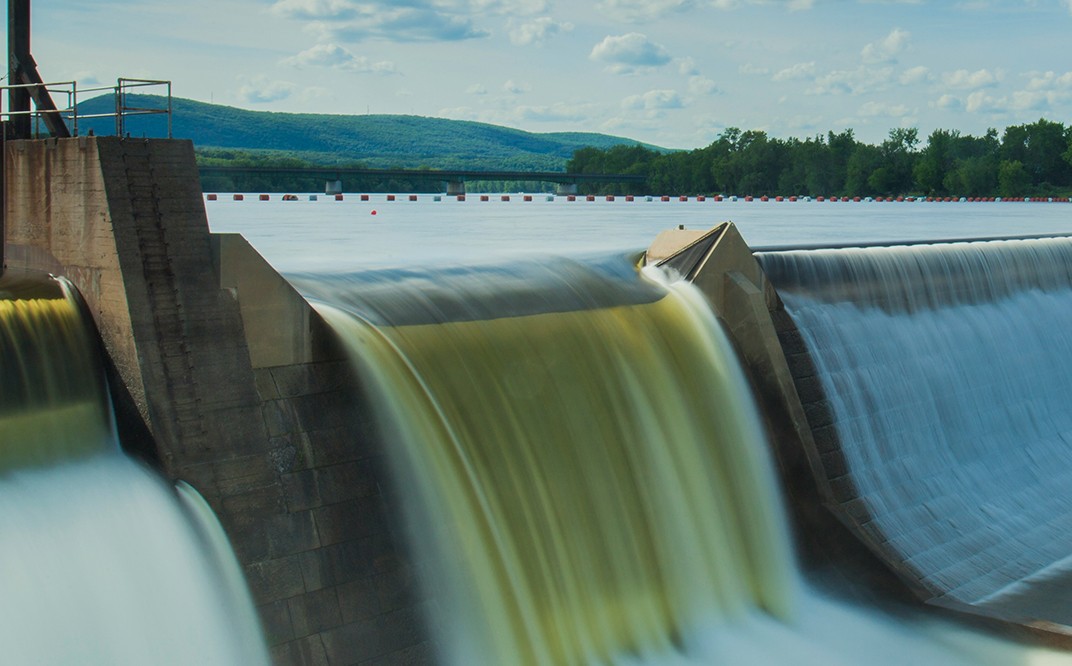
The projects involved to obtain carbon credits and the prominent impacts of these projects can be listed as follows:
Renewable Energy Projects: These are projects involving electricity generation from renewable energy sources such as wind energy, solar energy, hydro energy, or geothermal power sources. Renewable energy projects support the reduction of greenhouse gas emissions by reducing the use of fossil fuels.
Energy Efficiency Projects: These are projects aiming to bring energy efficiency to a better level by reducing energy production in transportation, buildings, and industries. In addition, energy efficiency projects support green job opportunities, lower operating costs, and increase energy security.
Forestry and Forest Protection Projects: Thanks to afforestation and expanding forest areas projects, it is aimed to reduce and balance greenhouse gas emissions. These projects also support the mitigation of climate change.
Biodiversity and Sustainable Development Projects: These projects, which aim to protect biodiversity, promote sustainable development, and restore the ecosystem, can provide ecosystem-based and long-term solutions for local communities.
Calculate Your Corporate Carbon Footprint with QuickCarbon!
QuickCarbon enables companies to calculate and report their corporate carbon footprints within the scope of the ISO 14064-1:2018 Standard and the GHG Protocol. Our user-friendly QuickCarbon software, which helps organizations gain information about emission reduction strategies, has various software packages that meet different expectations.
Our QuickCarbon software, which allows instant reporting, comes with features such as secure data storage, web-based access, and ease of data entry. You can contact us to calculate your carbon footprint, minimize negative environmental impacts, learn more about us, and request a demo.
Get Started Now
Get in touch with us to get to know QuickCarbon better and to see how it can add value to your processes.
Contact Us