Go Back
LCA Life Cycle Assessment – What is LCA?
To mitigate the negative impacts of the industrializing world on the environment, the importance of sustainability is increasingly growing. At this point, Life Cycle Assessment holds a significant place in companies' development of eco-friendly policies. Also known as Life Cycle Assessment (LCA), this analysis is highly beneficial for quantitatively determining the environmental impacts of products. Let’s explore the stages of LCA, the benefits of this practice, and its challenges together.
Why is LCA Performed?
LCA is an analysis used to evaluate the potential environmental impacts at every stage of the life cycle, including raw material extraction, production and consumption stages, recycling, and waste management processes such as disposal. Goods, technologies, and services are included in the definition of product here. LCA is a comprehensive assessment that addresses various environmental aspects and adopts a product life cycle perspective. These characteristics of LCA prevent the shifting of problems between stages of the life cycle or during the transition from one environmental impact to another.
LCA Stages / How are LCA Studies Prepared?
LCA studies are prepared under ISO 14040 and ISO 14044 standards by passing through 4 different stages. ISO 14040 contains the guidelines necessary for conducting a life cycle assessment. ISO 14044 specifies the requirements in detail by showing the impact categories, category indicators, and characterization models necessary to conduct an LCA. The stages are as follows:
1. Goal and Scope Definition
LCA studies begin primarily by defining the goal and scope. The product, company, or service to be analyzed is defined, and the objectives of the study are set. Goal and scope definition serves three important functions:
First, what will be assessed, why it is being assessed, and the purpose of this assessment are determined. Obtaining environmental information, designing greener products, or complying with regulations can be among the goals. Clearly defining the objectives can help in setting clearer targets when developing LCA strategies.
Second, the scope of the assessment is decided. Everything used to manufacture a product is manufactured somewhere else. Those materials also need other inputs, and this dynamic continues in this manner. This value chain can go very deep. For this reason, it is necessary to decide which information will be collected in detail and at which point to transition to general information. Because theoretically, such analyses can never be fully completed.
Third, the life cycle model to be used for the assessment is determined. Here, two different models can be designated: cradle-to-grave and cradle-to-gate. The cradle-to-grave model shows the process and recycling potential after a product reaches the end of its life, while cradle-to-gate shows only production impacts.
2. Inventory Analysis
During the inventory analysis stage, the data to be used in the LCA study are gathered. The goal of this analysis is to understand how products or services affect the environment. Inputs, such as energy and raw materials used throughout the product's life cycle, and outputs, such as emissions and wastes, are determined. At this stage, flow diagrams can be used to systematically show the inputs and outputs required to create the products or services.
3. Impact Assessment
Inputs and outputs gathered from the inventory analysis are used for the impact assessment. The indicator results of all impact categories are explained in detail. Impact categories are evaluated through normalization and weighting to demonstrate the environmental impact.
4. Interpretation
Interpretation is the final and most important stage of the LCA. In this stage, the results obtained from the impact assessment are converted into information and recommendations. Processes that need improvement are identified, and recommendations can be made regarding them. Uncertainties arising from inventory and emission factors must also be taken into account during the evaluation and interpretation of results.
What are the LCA Impact Categories?

The impact category groups different types of emissions under a single heading in terms of their environmental effects. These emissions come in different forms and formats because emissions from raw material extraction and emissions from electricity generation differ from each other. LCA impact categories can be listed as follows:
Climate Change
Also known as global warming and carbon footprint, this category is based on the measurement of greenhouse gas emissions such as CO2 and methane. Increases in carbon dioxide and greenhouse gases in the atmosphere can lead to global warming by causing the Earth’s atmosphere to trap more and more heat. Human health, agriculture, water resources, forests, wildlife, and coastal areas are adversely affected by climate change resulting from the increase in greenhouse gases.
Eutrophication
Eutrophication is an indicator of the enrichment of freshwater ecosystems with nutrient elements due to the emission of compounds containing nitrogen or phosphorus. Nutrient enrichment can cause undesirable changes, high biomass production, and toxic algal blooms in aquatic and terrestrial ecosystems. Increased biomass in aquatic ecosystems can lead to low oxygen levels.
Acidification
It is an indicator of the potential acidification of soil and water due to the release of gases such as nitrogen oxides and sulfur oxides. Potential impacts of acidification include fish mortality, forest decline, and the deterioration of building materials.
Smog Formation
Also referred to as smoke or photochemical ozone formation, smog formation is an indicator of gas emissions that affect photochemical ozone formation catalyzed by sunlight in the lower atmosphere. Ground-level ozone is harmful to human health, ecosystems, and crops.
Particulate Matter Emissions
It is a measure of precursor emissions to secondary particles, such as SO2 and NOx, and particulate matter emissions from sources such as fuel combustion, wood burning, and dust particles from roads and fields. Particulate matter can cause adverse effects such as respiratory diseases and an increase in overall mortality rates.
LCA Types
LCA studies can be carried out in 3 different types:
Cradle to Cradle: Covers the entire process from the extraction of raw materials to their recycling.
Cradle to Grave: Convers the process from the extraction of raw materials to the disposal of wastes.
Cradle to Gate: Covers the process from the extraction of raw materials to the delivery of products to the consumer. Processes like transportation are also included in this.
LCA can also be evaluated based on the level of detail. These evaluations include:
Conceptual Life Cycle Assessment
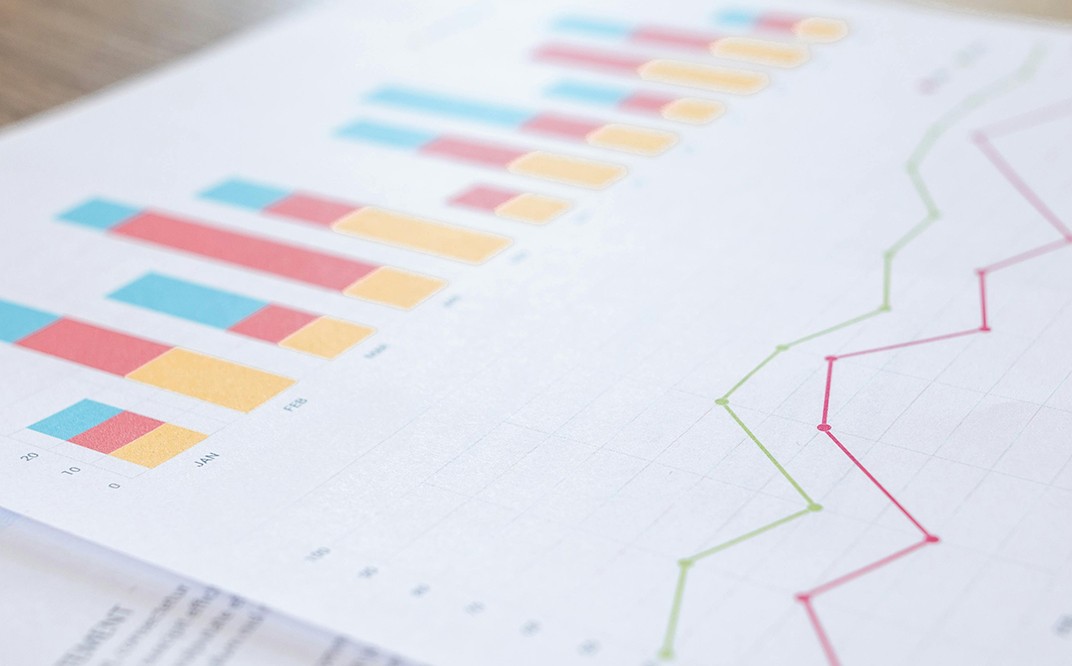
Conceptual life cycle assessment is the most basic type of LCA. Providing a preliminary assessment of a product's or service’s environmental impact based on limited data, conceptual life cycle assessment offers a broad and general overview rather than a detailed insight.
The results obtained from the conceptual life cycle assessment are generally expressed in brief statements or simple graphs. These reports aim to quickly communicate core environmental information to stakeholders by highlighting the processes or materials with the highest environmental impact.
Simplified Life Cycle Assessment
Simplified life cycle assessment is more detailed than the basic conceptual life cycle assessment. It evaluates the environmental impact of a product or service in more detail. With simplified life cycle assessment, the goal is to estimate environmental outcomes using generic data and standardized modules.
This method features a semi-quantitative assessment based on pre-existing databases and industry standards. These sources provide general figures regarding the environmental impacts of specific processes or materials. These figures are then applied to the product or service being evaluated.
Simplified LCA is more comprehensive than conceptual LCA, but lacks full specificity because it does not consider the unique characteristics of each product or service. However, they are popular among initial environmental impact assessments as they offer a balanced evaluation between detail and complexity.
Detailed Life Cycle Assessment
Detailed life cycle assessment is the most comprehensive form of life cycle assessments. In this method, special research is conducted and data is collected specific to the designated product or service. In this method, where impacts are analyzed comprehensively and categorized, the results are interpreted in depth.
What are the Advantages Provided by LCA Studies?
Offering many benefits and advantages on the path to reaching sustainability goals, LCA also has its challenges during the application stage. These challenges can be summarized as follows:
1. Creating a quantitative scientific basis for sustainability strategy, LCA can be useful for making tactical sustainability decisions.
LCA measures the amount of raw materials, energy, and water used in production processes, as well as the resulting carbon emissions and waste. With this holistic perspective, it becomes possible to determine where the most resources and energy are used in the product's life cycle and where the impact intensity is highest. This makes it easier to improve product design, create alternatives for suppliers, and identify whether changes are needed in operations or supply chains. Additionally, an LCA study can help in setting and optimizing various sustainability goals, primarily energy efficiency and carbon footprint reduction.
2. The results obtained from LCA provide insights for conscious innovation.
Evaluating the supply chains of materials helps to find materials with the highest potential to create an environmental impact. When it comes to products consisting of several materials, the LCA study offers the opportunity to compare and test alternatives. The LCA results create a science-based starting point for improving alternative production processes. It also encourages reaching out to suppliers and conducting R&D work with them to enhance the environmental benefits of innovation.
3. LCA studies provide transparency and reliability.
LCA promotes transparency, enabling customers to make informed decisions. Providing environmental data about products strengthens a company's reliability and can create more loyal customers. Life Cycle Assessment enhances brand value and provides a competitive advantage in the industry. LCA studies show that brands possess authenticity, integrity, and credibility in sustainable production. Data-driven transparency sets the brand apart from others. LCA offers effective supply chain data to communicate the positive environmental attributes of products and build trust.
4. LCA is a good opportunity to exercise corporate social responsibility.
Corporate Social Responsibility demonstrates a company's commitment to sustainable practices. It can also significantly improve the company's social and environmental contributions.
5. LCA study helps to comply with regulations.
LCA standards require alignment with developments in global and regional sustainability reporting. Assisting in sustainability reporting, LCA ensures compliance with regulations such as the Corporate Sustainability Reporting Directive (CSRD), the German Supply Chain Act, and the Green Claims Directive.
6. It enables supply chain optimization.
Life cycle assessment is not limited to a single product or process but also covers the entire supply chain. It helps organizations assess the environmental impact of their suppliers and make informed decisions in their partner selection process. It considers the life cycle of inputs and outputs and thus helps to identify opportunities for collaboration, innovation, and improvement throughout the supply chain.
What Are the Challenges of an LCA Study?

Life cycle assessment is an important tool for product sustainability. From product design and R&D to resource and supply chain management, marketing, and public relations, it provides comprehensive insights and valuable data to everyone in the organization. It also brings sustainability opportunities to strategic management. However, conducting an LCA study can have its own unique challenges too.
To collect data in preparation for an LCA study, every component in the supply chain must be involved in the process to measure the environmental inputs and outputs of brands' production processes. This can be challenging in terms of time and resources. Innovative or alternative materials often have their own unique production processes, and since these are frequently proprietary technologies, collecting data on such materials can require extra time and effort.
The lack of up-to-date and high-quality data is another problem in LCA implementation. This is a serious issue, especially in fields such as construction projects that typically cover long periods during which materials, production processes, and environmental regulations can undergo significant changes. The dynamic nature of some sectors makes it difficult to provide up-to-date and comprehensive datasets that hold an important place in conducting LCA studies.
Working in compliance with criteria such as the ISO 14064-1:2018 Standard and the GHG Protocol, QuickCarbon offers effective solutions in carbon emission management. Our user-friendly software simplifies carbon footprint calculation and reporting processes with the advantages of web-based access, secure data storage, instant reporting, and easy data entry. Meet QuickCarbon now to effectively manage the processes of controlling your company's environmental impacts and reaching sustainability goals.
Get Started Now
Get in touch with us to get to know QuickCarbon better and to see how it can add value to your processes.
Contact Us