Go Back
What is Green OIZ?
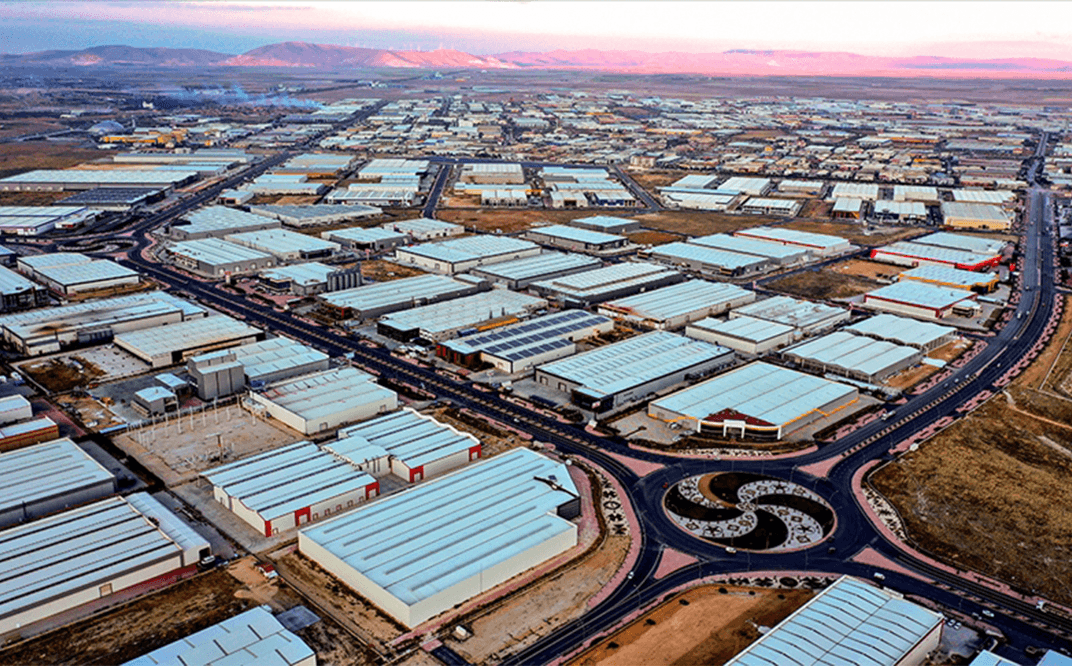
Industrial zones generate a large carbon footprint due to high energy consumption and manufacturing activities. This situation particularly causes environmental problems such as global warming and climate change. Therefore, the concept of environmental sustainability is gaining increasingly more importance in industry, as it is in every other field. Although efficient production is important both economically and environmentally, minimizing environmental damage, ensuring the efficient use of resources, and reducing carbon emissions are also highly crucial. At this point, the Green OIZ (Organized Industrial Zone), which supports sustainable development and brings a new standard to the industry, stands out as a promising project.
What is the Goal of Green OIZ?
The project named Green Organized Industrial Zones, carried out of the Ministry of Science, Industry and Technology in Turkey, offers a more sustainable and environmentally friendly approach compared to traditional industrial zones. These industrial zones, which encourage sustainable production, also aim to minimize environmental impacts and optimize resource use. Green OIZs aim to bring a new standard to the industry within the framework of environmental sustainability principles.
While traditional industrial zones are known for intense energy consumption, high carbon emissions, and waste management issues, Green OIZs aim to reduce these problems and offer sustainable solutions. Green OIZs are specially designed areas to help factories, facilities, and other businesses located within industrial zones reduce their environmental impacts.
These zones have sustainability-oriented goals such as increasing energy efficiency, protecting water resources, minimizing waste, and reducing the carbon footprint. Additionally, green OIZs offer industrial companies the opportunity to carry out environmentally friendly production at lower costs.
What Are the Characteristics of a Green OIZ?
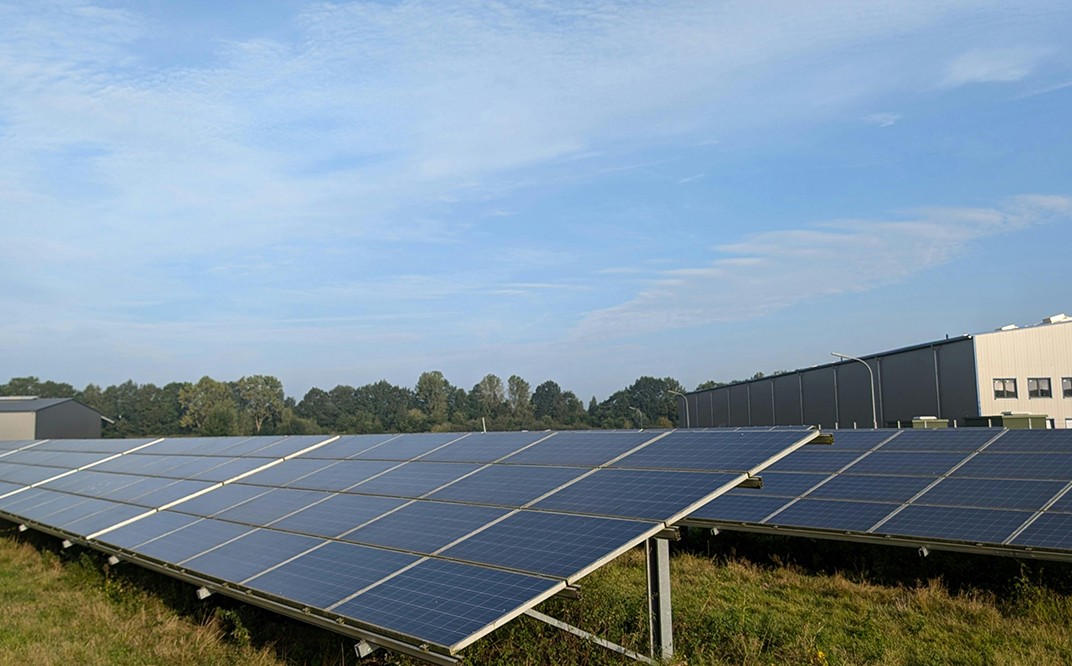
Aligning operations with both national and international regulations is the first step to obtaining a green OIZ certificate. Afterwards, OIZs go through a pre-qualification phase where specified criteria must be met.
These criteria range from establishing a settled OIZ management to tracking performance indicators, preparing a green transition plan, and creating a strategy that assesses environmental impacts. Additionally, sustainability criteria such as having at least one ISO certificate, the presence of at least one social facility such as a hospital or a nursery within the OIZ, and preparing a renewable energy plan are also required in this process.
Green OIZs possess various features to transform industrial activities into a sustainable framework. We can detail these as follows:
Renewable Energy Use: Energy needs are met by using renewable energy sources (solar, wind, biomass). This significantly reduces carbon emissions caused by fossil fuels.
Energy Efficiency: Energy efficiency solutions are implemented in order to optimize the energy consumption of industrial enterprises. Consuming less energy benefits both the environment and businesses.
Water Conservation and Recycling: Protecting water resources is one of the top priorities of Green OIZs. The use of water-saving technologies and the recycling of industrial wastewater are widely applied.
Waste Management and Recycling: Recycling and reusing waste are fundamental principles. Waste management processes are carried out meticulously, and it is aimed to reduce waste to a minimum level.
Carbon Footprint Reduction: Green OIZs adopt technologies and strategies aimed at reducing their carbon footprint. Applications that reduce greenhouse gas emissions are implemented in these regions.
Why are Green OIZ and Carbon Footprint Important for Industrial Zones?
Carbon footprint refers to the total amount of greenhouse gases released directly or indirectly into the atmosphere by an individual or an organization. Reducing the carbon footprint of an industrial zone is one of the most effective ways to minimize environmental damage. Green OIZs offer great opportunities to businesses regarding the reduction and management of these carbon emissions.
We can detail the importance of the carbon footprint for industrial zones as follows:
Environmental Impact of Carbon Footprint
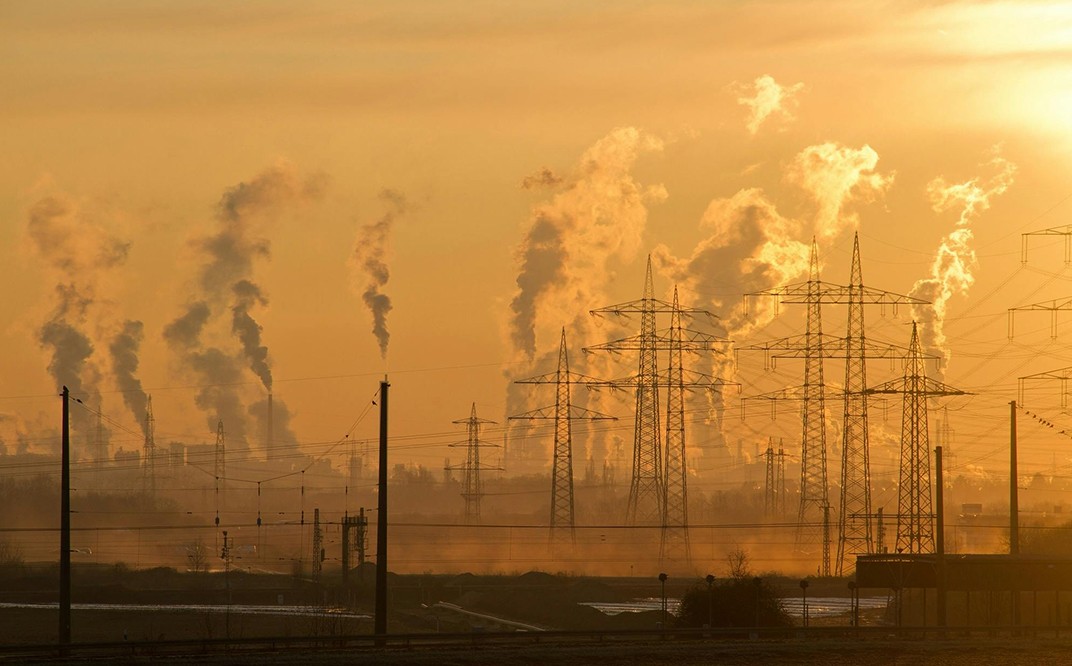
High energy consumption and large-scale manufacturing processes in industrial zones contribute to global warming by increasing greenhouse gas emissions. Carbon dioxide and other greenhouse gases released into the atmosphere lead to serious environmental problems such as climate change, rising sea levels, degradation of ecosystems, and loss of biodiversity. Green OIZs aim to significantly reduce environmental damage by offering industrial enterprises the opportunity to reduce their carbon emissions.
Climate Change and the Role of Industry
Industry accounts for a significant portion of global greenhouse gas emissions. Green OIZs take various measures to reduce the negative impacts of industry on climate change. Renewable energy use, energy efficiency solutions, and zero waste policies are key sustainability strategies offered by Green OIZs. These strategies both reduce carbon emissions and make the industry's role in fighting climate change more sustainable.
Energy Consumption and Carbon Emissions
Energy consumption in industrial zones is one of the largest components of the carbon footprint. Especially energy obtained from fossil fuels causes high amounts of carbon dioxide emissions. Green OIZs aim to significantly reduce carbon emissions by encouraging industrial enterprises to use renewable energy sources such as solar, wind, and biomass. Additionally, energy consumption can be optimized with energy efficiency solutions, thereby reducing both the carbon footprint and energy costs.
Waste Management and Recycling
In industrial zones, not only energy consumption but also waste generation is a key factor that increases the carbon footprint. Green OIZs take on the duty of reducing these adverse effects through recycling, reuse, and waste reduction policies. In particular, reusing recyclable materials in production reduces both the amount of waste and energy consumption.
Low-Carbon Technologies and Innovation
Another important way to reduce the carbon footprint is the adoption of low-carbon technologies. Green OIZs encourage industrial enterprises to invest in environmentally friendly technologies such as energy monitoring systems and carbon capture and storage (CCS) technologies. These innovative solutions make production processes more efficient while playing a major role in reducing carbon emissions.
Legal Regulations and Sustainability Reporting
Many countries have introduced legal regulations to reduce carbon emissions. Compliance with these regulations is critical for industrial enterprises to avoid environmental penalties. Measuring the carbon footprint is part of this compliance process. Green OIZs enable industrial enterprises to act in accordance with these legal requirements by reducing their carbon footprint. They also provide the opportunity to monitor and evaluate their environmental performance through sustainability reporting.
How Can Businesses Adapt to the Green OIZ?
Green OIZs, as sustainable industrial zones, encourage environmentally conscious production. For businesses to operate in these areas, they must comply with certain sustainability criteria.
Ensuring Energy Efficiency
Businesses can adapt to the Green OIZ by optimizing their energy consumption. By reducing energy consumption through efficient machinery, energy monitoring systems, and building insulation, they can both reduce environmental impacts and lower costs.
Use of Renewable Energy
Switching to renewable energy sources such as solar, wind, and biomass instead of fossil fuels is one of the most effective ways to reduce carbon emissions.
Waste Management and Recycling
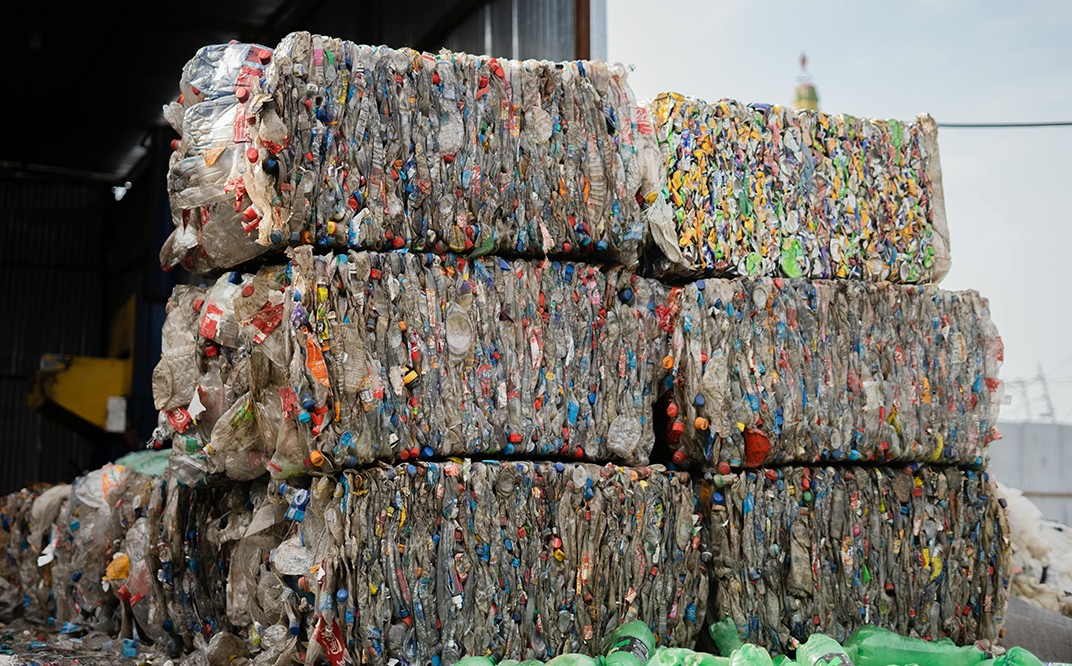
Businesses can align with the zero-waste policies of green OIZs by improving recycling processes and reducing waste amounts. In this way, it is also possible to minimize the damage caused to the environment.
Creating a Green Supply Chain
Working with environmentally friendly suppliers and optimizing transport processes helps businesses reduce their carbon footprint.
Investing in Low-Carbon Technologies
By investing in low-carbon technologies such as energy-efficient machinery and automation systems, businesses can both optimize their production processes and reduce carbon emissions.
Calculating the Carbon Footprint

Businesses must monitor their environmental impact by regularly measuring their carbon footprint and prepare reports that comply with standards.
As QuickCarbon, we offer a solution that enables businesses to calculate their carbon footprint accurately and reliably. With calculations and reports made in accordance with the ISO 14064-1:2018 Standard and the GHG Protocol without requiring any external consultancy services, we help businesses reduce their carbon footprint and contribute to the environment and a sustainable future.
Get Started Now
Get in touch with us to get to know QuickCarbon better and to see how it can add value to your processes.
Contact Us