
Go Back
2024 United Nations Climate Change Conference
Producing new things using the world's resources makes significant contributions to the progress of humanity. Talking about production volume or acting passionately to achieve more can bring economic profitability. However, the state of producing new things using current resources can cause some simple facts to be forgotten. For instance, the limited nature of the resources we use is one of those forgotten facts. The misuse of limited resources brings along negative situations such as global inequality and climate change.
The United Nations is among the organizations that formulate policies on climate change. The address for the Climate Change Conference, organized annually by the United Nations, will be Baku, the capital of Azerbaijan, in 2024. Let's take a look together at the curious details about the United Nations Climate Change Conference.
What is the United Nations Climate Change Conference? What are Its Goals?
The Climate Change Conference, which began convening to implement the United Nations Framework Convention on Climate Change adopted in Rio de Janeiro in 1992, held its first meeting in Berlin in 1995. The treaty, to which 197 countries are party, aims to protect the climate against human-induced problems and control the global temperature rise. The main goals of the Conference, which is organized in a different country each year, can be listed as follows:

1. Dealing with the Impacts of Climate Change
Rising temperatures, sea-level rise, extreme weather events, andbiodiversity loss are among the primary negative impacts of climate change on human life. According to NASA measurements, the combined months of June, July, and August of 2024 were approximately 0.1 degrees Celsius warmer than any other summer. This data, showing that the heat record broken in 2023 was surpassed, indicates that the world has warmed by 1.25 degrees Celsius compared to the average temperature between 1951 and 1980.
The United Nations Climate Change Conference aims to support activities such as strengthening infrastructures and health systems, adapting agriculture and industry to changing climate conditions, as well as carrying out ecosystem restoration.
2. Creating Finance for Climate Change
Significant financing is needed to adapt to climate change, restore ecosystems, and compensate for the losses caused by changing conditions. The United Nations Climate Change Conference builds funds with contributions from both the public and private sectors. These funds are used for purposes such as large-scale investments or promoting technological developments. Financial support provided to assist developing countries aims to lift inequalities while spreading the fight against climate change globally.
3. Reducing Greenhouse Gas Emissions
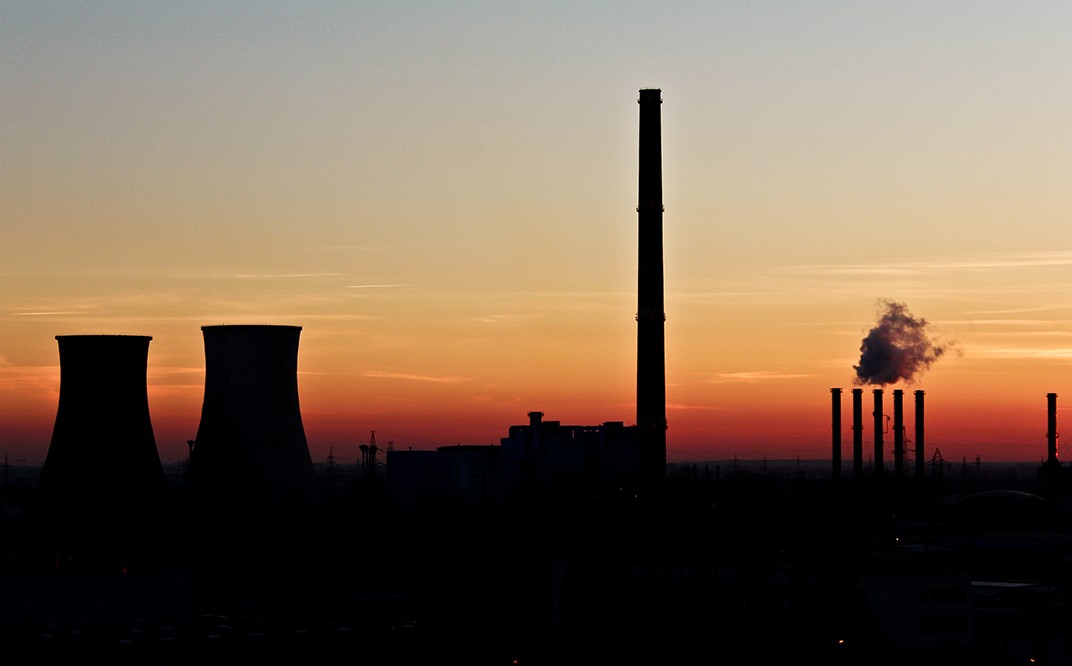
One of the main causes of climate change is greenhouse gas emissions. Emissions accumulate in the atmosphere, creating a greenhouse effect and causing the Earth's surface to warm. Fossil fuel use, deforestation, old-school industrial practices, and unplanned agricultural activities are among the causes of greenhouse gas emissions.
The United Nations Climate Change Conference aims to reduce greenhouse gas emissions by providing incentives for topics such as the use of renewable energy sources, sustainable transportation, forest conservation and reforestation, and planned agricultural activities. Every country that is a signatory to the United Nations Framework Convention on Climate Change submits Nationally Determined Contributions regarding greenhouse gas emissions. Nationally Determined Contributions are important for countries to set their own targets and take steps toward these goals.
4. Strengthening International Cooperation
Since climate change is a problem that concerns the entire world, all countries must act together for a solution. The United Nations Climate Change Conference aims to ensure global cooperation by organizing the Intergovernmental Panel on Climate Change. The panel, which has many dimensions such as setting collective targets, developing strategies, providing financial support, and technology transfer, ensures that significant steps are taken to foster international cooperation.
Concrete examples of international cooperation include the 1997 Kyoto Protocol and the Paris Agreement signed in 2015. The Kyoto Protocol is the first international document to include commitments to reduce greenhouse gas emissions. In order to address the criticized aspects of the Kyoto Protocol, the Paris Agreement, which is a more comprehensive and binding document than the Protocol, was signed. The agreement aims to reduce the devastating impacts of climate change by keeping the global temperature rise below 2°C, and if possible, limiting it to 1.5°C. The document, which sets each country's greenhouse gas reduction target according to its own circumstances, aims to zero out greenhouse gas emissions in the long term.
Agenda Topics of the 2024 United Nations Climate Change Conference
The topics that will form the agenda of the 29th Climate Change Conference, to be held in Baku on November 11-24, were discussed at the Climate Ministers Meeting assembled in Copenhagen, the capital of Denmark. The summary of the meeting held on March 21-22 was shared with the public. Prominent topics to be discussed at the meeting in Baku include:
Evaluation of the Previous Year: What has been done for a year in the areas discussed at the 28th Climate Change Conference held in Dubai, particularly in reducing pollution, aligned work, identification of loss and damage caused by climate change, and creating financing, will be evaluated at this year's conference and new work to be done in relevant fields will be planned.
Increasing Global Adaptation and Resilience: Topics to be discussed include providing funding to increase engagement with the private sector, technology transfer, and involving local actors in the struggle. Promoting innovative ideas that will create alternative financial models will be discussed along with ensuring resilience against climate change.
New Financial Model: Many issues, primarily diversifying financial resources, matching current funding with investment targets, setting new investment targets, and involving expert reports prepared in various fields in the process, will be brought to the table and negotiations on new financial models will be held.
At the conference starting on November 1st, meetings will be held on many topics ranging from trade to energy, education to agriculture. The final declaration on November 24th is expected to highlight the following topics:
Prioritizing Climate-Vulnerable Countries: The inability of developing nations to cope with the consequences of climate change with their own means was among the topics discussed at the previous conference. In this conference, the goal of strengthening the global struggle by increasing and accelerating the transfer of finance, technology, and capacity to developing countries will also be recorded.
Reducing Fossil Fuel Use: Commitments to reduce fossil fuels made at last year's summit were perceived as the end of the fossil fuel era. In the intervening time, the expected progress towards reducing fossil fuel use or encouraging renewable energy did not occur. Data showing the seriousness of the goal is expected to be announced at this conference.
New Financing Target: It is expected that a new finance target will be set, which involves the private sector more and calls on developed countries to take responsibility.
The Role of Businesses in the Fight Against Climate Change
For international institutions and states to declare intent and take action is extremely important in combating problems arising from climate change. The private sector also has a lot to contribute to this struggle. By transitioning to sustainable practices, companies can achieve cost savings and strengthen their brand image.
As QuickCarbon, we offer a software that enables businesses to calculate and report their carbon footprints according to the ISO 14064-1:2018 Standard and GHG Protocol. We provide training on carbon footprint and develop solutions that help businesses reduce their carbon footprint. With our user-friendly software, we convert your data into multi-functional graphs and allow you to report your company's status both in written and visual formats. You can contact us to request a demo.
Get Started Now
Get in touch with us to get to know QuickCarbon better and to see how it can add value to your processes.
Contact Us