Go Back
What is the Sustainable Fashion Approach?
The fashion industry has certain impacts that lead to the rapid consumption of limited resources, the generation of waste that threatens the environment and human health, and the disruption of the natural balance. Sustainable fashion aims to develop an ecologically and socially responsible understanding in order to reduce these negative impacts of the industry. Let's examine the importance of and pathways to sustainable practices in the fashion industry in detail to protect the world's natural balance and leave a more livable world for future generations.
What is Sustainable Fashion?
Sustainable fashion is an approach that aims to create a carbon-neutral fashion industry based on ecological integrity and social responsibility. It covers the entire product lifecycle, from production to the consumption stage, and from distribution to the point where products become waste.
The "fast fashion" trend, which has expanded since the 1990s, has led to an increase in the environmental impacts of the fashion industry. The concept of fast fashion aims to produce disposable products to quickly respond to the latest fashion trends. It paves the way for the mass production and equally rapid consumption of numerous products in the clothing industry.
Sustainable fashion, on the other hand, is an approach that aims to steer the industry and consumers away from the fast fashion model and direct them toward more sustainable practices. In this respect, the concept can be characterized as "more sustainable fashion" rather than just "sustainable fashion."
What are the Harms of the Fast Fashion Industry to the Environment?
The ready-to-wear, fashion, and textile industry is the second most polluting sector after the oil industry. Conducted studies show that the fashion industry is the world's second-largest consumer of water and is responsible for 2-8% of global carbon emissions.
The environmental impacts of the fashion industry and the concept of fast fashion can be listed as follows:
Wastewater Generation: According to the Global Waste Statistics for the Ready-to-Wear and Fashion Industry (2020), the fashion industry produces 20% of global wastewater, causing the pollution of water resources and oceans.
Cotton Production: Producing 1 kilogram of cotton, which is required to make a t-shirt and a pair of jeans, requires the use of 20,000 liters of water. In addition, pesticides used in cotton farming pollute water, soil, and air, posing risks to the health of humans and other living things.
Polyester Production: Crude oil is used in the manufacturing of synthetic fibers, such as polyester, used in fabric production. For this reason, the carbon footprint of polyester clothing production is extremely large.
Pollution of Fresh Water: Linear polyester clothes shed plastic microfibers when washed in a washing machine. These substances, which cannot be filtered because they are too small, mix with water without dissolving and are consumed by marine life. In the final stage, they threaten human health through the consumption of these organisms.
Impacts on Ecosystems: Toxic dyes and heavy metals used in the production process, which pollute groundwater resources, damage biodiversity.
Chemical Use: Toxic substances such as mercury, chromium, and lead are used in the washing and dyeing stages of the textile industry. They then usually mix into nature, posing risks to human health and the environment. It is estimated that about 9% of microplastic losses entering the oceans stem from the fashion industry.
Greenhouse Gas Emissions: Raw materials used and products manufactured in the sector travel long distances between different countries. This transportation process causes heavy greenhouse gas emissions.
Waste Products: Most unused textile products are thrown away or incinerated. Only about 1% are recycled. Discarded clothing can remain in landfills for more than 200 years, decomposing during this time and leading to the release of methane, a greenhouse gas more dangerous than carbon. UNEP points out that if nothing changes, the fashion industry will consume one-quarter of the world's carbon budget by 2050.
Working Conditions: Textile workers in many parts of the world work for extremely low wages, and their working hours are often excessively long.
Skin Health: Clothes produced using heavy chemicals without observing quality standards due to price concerns can lead to unexpected effects such as allergies, itching, and redness.
How is More Sustainable Fashion Implemented?
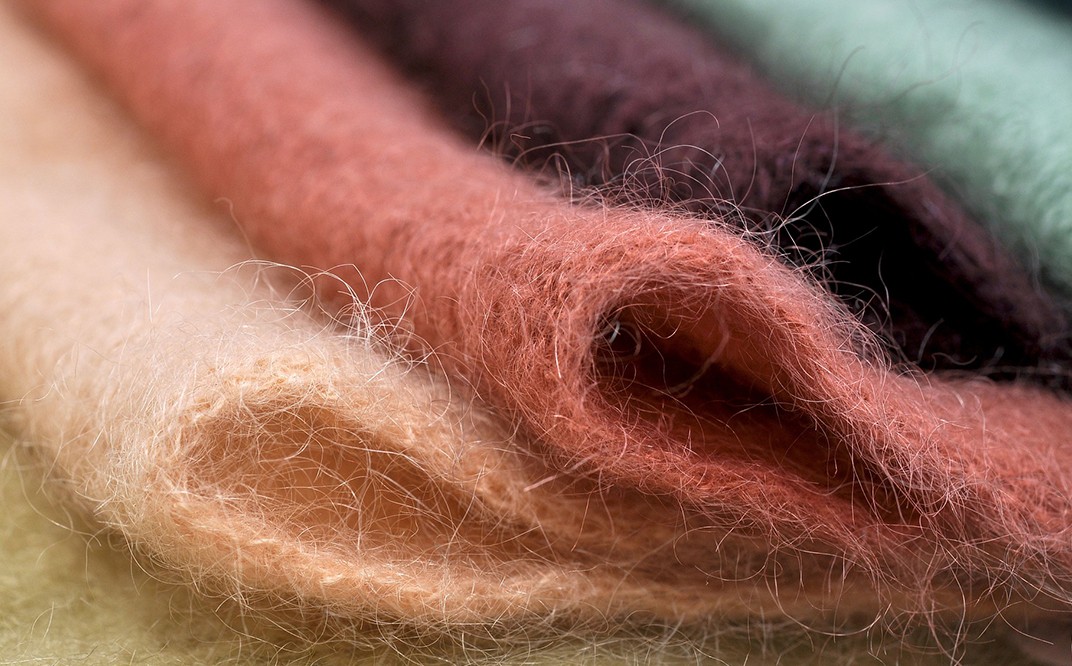
Sustainable fashion encompasses both social issues, such as improving working conditions in the industry, and environmental objectives, such as reducing waste flows and greenhouse gas emissions. For this reason, both certain practices of producers and the conscious consumption habits of individuals can contribute to a more sustainable fashion approach.
Considering the scale of the industry, it is understood that sustainability practices in the fashion sector can significantly influence social and environmental progress.
More Sustainable Fashion for Producers
What can be done corporately to contribute to sustainable fashion can be listed as follows:
Turning to renewable energy sources in all processes,
Using technologies that increase energy efficiency and reduce water use,
Reducing the carbon footprint in the production process,
Reducing the amount of waste by ensuring the efficient use of production materials,
Creating timeless products using high-quality materials,
Improving working conditions and ensuring ethical production standards,
Raising consumers' awareness about recycling and sustainable fashion practices by conducting various projects.
More Sustainable Fashion for Consumers
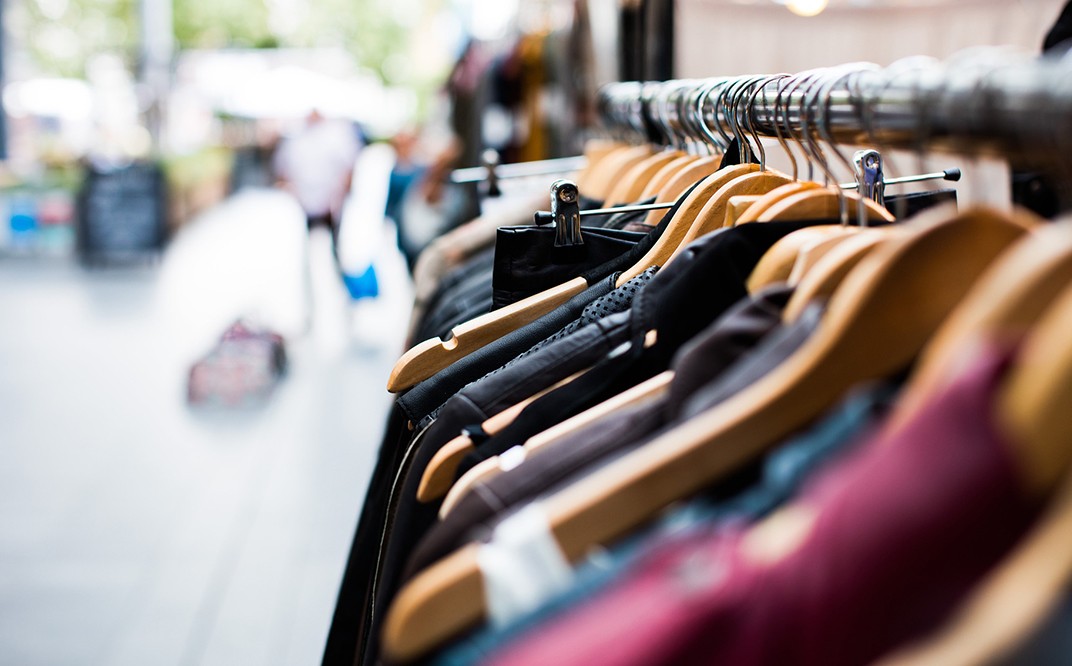
What can be done individually to be a part of sustainable fashion can be listed as follows:
Buying high-quality products that offer long-term use,
Engaging in conscious consumption by thinking about whether a product is truly needed before buying it,
Choosing garments made from natural materials like organic cotton and linen instead of synthetic fibers like polyester,
Learning about and turning to brands that engage in eco-friendly production within the scope of sustainability,
Buying clothes made from recycled fabrics or second-hand clothes,
Leaving products that are no longer used due to reasons like size changes at second-hand shops, giving them to those in need, or donating them to institutions,
Identifying unusable clothes and leaving them at locations like waste clothing bins.
Why are Sustainable Fashion Practices Important?
The positive outcomes of sustainable fashion practices are of great importance in terms of protecting both natural resources and human health.
The benefits of making nature-friendly production and consumption choices can be listed as follows:
It helps reduce the environmental impacts arising from the production of garments and accessories. By ensuring a reduction in the amount of waste, it contributes to the protection of natural resources and the ecosystem.
It supports the creation of a clean future by preventing effects such as soil poisoning and landfills filling up with plastic.
Using renewable and chemical-free materials helps conserve valuable resources such as energy, water, and soil.
Sustainable fashion often encourages the use of local resources and production techniques. This reduces carbon emissions caused by long-distance transportation and supports local economies.
Organic and high-quality fabrics are better choices for protecting skin health. Thanks to sustainable fashion practices, consumers can access higher quality and healthier product options.
The durability and longevity of products provide cost savings in the long run. High-quality garments reduce the need for frequent shopping, which in turn reduces the amount of textile waste.
It supports the creativity required for designers to create garments that are both sustainable and stylish. New eco-friendly fashion trends can emerge.
A healthier working environment and better, safer working conditions are provided for textile industry workers.
If you want to carry out more sustainable activities in every area, our software offered as QuickCarbon can help you. Thanks to our software, you can report your corporate footprint with calculations prepared in accordance with the ISO 14064-1:2018 Standard and the GHG Protocol, without requiring any auditing services. Based on the data you obtain, you can develop strategies in the field of sustainability.
Get Started Now
Get in touch with us to get to know QuickCarbon better and to see how it can add value to your processes.
Contact Us