
Go Back
What You Need to Know About Carbon Footprint
The vital habits of individuals and societies have significant impacts on the planet. Covering a highly broad spectrum from eating habits to industrial production processes, these habits cause the depletion of Earth's resources and damage natural habitats. The concept of carbon footprint is closely linked to exactly this. So, what is a carbon footprint and how can it be reduced for a more livable world?
What Is a Carbon Footprint?
A carbon footprint is the total amount of greenhouse gases resulting from both daily activities, such as driving a car and watching television, and the production and consumption processes of products. It is used to demonstrate the impact of all actions on the planet. Expressed in tons, the carbon footprint enables the measurement of carbon emissions directly or indirectly caused by individuals, institutions, or products.
Carbon footprint is not solely about the use of fossil fuels in production, heating, or transportation. At the same time, generating the electricity required for the production of consumed goods or services, livestock activities, and many other factors indirectly create carbon emissions.
Types of Carbon Footprint
Carbon footprint is evaluated in three groups: individual carbon footprint, product carbon footprint, and corporate carbon footprint:
Individual Carbon Footprint: The consumption habits of individuals determine their individual carbon footprint. The use of transportation, electrical appliances used in living spaces for heating or cooling, eating and drinking habits, purchased services, and recycling habits constitute the individual carbon footprint.
Product Carbon Footprint: All activities, from the extraction of raw materials to their processing, from generating the energy required for these processes to the use of products by customers, and from processing waste to product transport operations, constitute the product carbon footprint.
Corporate Carbon Footprint: Carbon emissions associated with the activities carried out by companies or organizations constitute the corporate footprint.
Having serious environmental impacts, it is vital to manage the carbon footprint correctly on both an individual and global level. Mindful consumption, ensuring energy efficiency, and transitioning to renewable energy sources are measures that can be taken to reduce the carbon footprint.
How Is Carbon Footprint Calculated?
There is no single measurement method to calculate a carbon footprint. To calculate carbon footprints on different scales, many factors must be considered. In fact, this can be regarded as an estimation rather than a precise measurement. The carbon footprint of countries, companies, or individuals is approximately calculated using criteria established by both scientific communities and various international standards.
The principles and tools that guide carbon footprint calculations have been provided by the United Nations Intergovernmental Panel on Climate Change (IPCC). These principles and tools also specify the criteria to be used in calculating the carbon footprint of countries, institutions, or individuals.
For example, the carbon footprint of countries is calculated based on annual fossil fuel consumption, industrial production values, total electricity generation, the number of livestock reared, land use (urban, forest, and agricultural areas), and economic indicators.
After the total carbon emission is determined, the value of activities carried out to reduce carbon emissions should also be subtracted from the total carbon emission amount. For example, the value of trees planted at the country, company, or individual level in reducing carbon emissions should be deducted from the total carbon emissions.
Converting variables such as the amount of diesel fuel used in liters, the amount of methane gas in cubic meters, agricultural land in hectares, new forest areas in square kilometers, and the number of farm animals into a single unit of measurement is possible thanks to conversion tables published by the IPCC. With these tables, different values can be converted into CO2 values.
When calculating the carbon footprint of some projects, it may be necessary to consider different parameters. For example, a high amount of carbon emissions may occur during the construction of a large solar power plant. However, considering the goals and outcomes of the facility (shortening the transport route and vehicles on this route generating fewer carbon emissions), fossil fuel consumption will decrease, contributing to the reduction of carbon emissions in the long run. Thus, the initial high carbon footprint will decrease significantly as a transition to a sustainable energy source is made.
How Is Corporate Carbon Footprint Calculated?
The GHG (Greenhouse Gas) Protocol, a global standard, is used for measuring and reporting corporate carbon footprints. With this protocol, the measurement, management, and reporting of carbon emissions produced by companies are ensured. This allows the environmental impact created by companies to be viewed in a consistent and transparent manner.

Created by the World Business Council for Sustainable Development (WBCSD) and the World Resources Institute (WRI), this protocol is accepted worldwide. It evaluates company-induced greenhouse gas emissions in three groups: direct greenhouse gas emissions, indirect greenhouse gas emissions, and other indirect emissions.
Direct Greenhouse Gas Emissions
This shows the carbon emissions caused by all sources owned or controlled by companies. Driven as a result of company activities, these carbon emissions cover the following:
Furnaces, boilers, or generators using fossil fuels,
All motor vehicles in the corporate fleet using fossil fuels,
Chemical reactions and other industrial processes in production activities,
Waste treatment and transformation processes in companies.
Direct greenhouse gas emissions constitute the most significant portion of the total greenhouse gas emissions generated by companies.
Indirect Greenhouse Gas Emissions
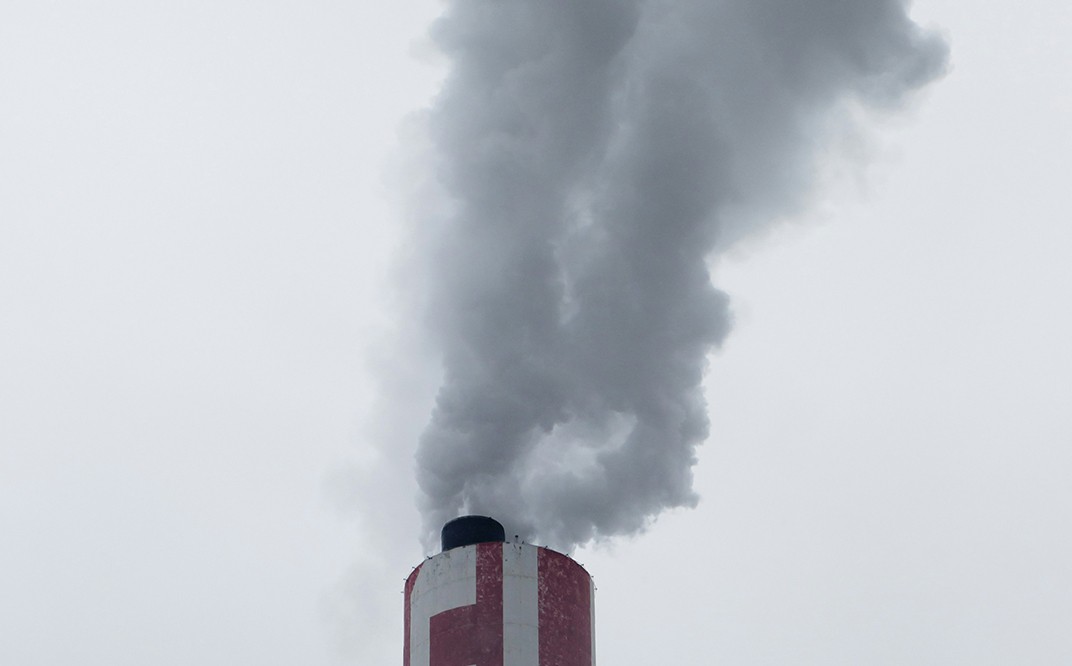
Indirect greenhouse gas emissions show the greenhouse gas emissions released into the atmosphere due to energy sources consumed but not directly produced by the companies themselves. For example, these are greenhouse gas emissions released into the atmosphere by energy suppliers or other business partners.
Other Indirect Greenhouse Gas Emissions
This refers to all greenhouse gas emissions that are associated with company activities but are not directly owned or controlled by the companies. Its scope includes:
Emissions generated during the production of purchased goods or services,
Emissions generated during the production of purchased fuels and energy,
Emissions arising from the disposal or recycling of waste generated as a result of production processes,
Emissions resulting from the transportation and distribution of products,
Emissions occurring throughout the usage lifetime of products,
Emissions arising during the recycling or disposal of products at the end of their life cycle.
Other indirect greenhouse gas emissions are the most difficult type of greenhouse gas emission for companies to measure and manage.
How to Reduce Carbon Footprint?
According to data released by the United Nations Environment Programme (UNEP), the earth is likely to warm up by approximately 3 degrees Celsius by the end of this century. According to the IPCC, a temperature increase of more than 1.5 degrees will increase the frequency of extreme weather events, such as heatwaves or storms, caused by climate change. Therefore, it is extremely important for countries, companies, and individuals to take rapid measures.
Measures Countries Can Take
Taking steps to completely eliminate the fossil fuel industry.
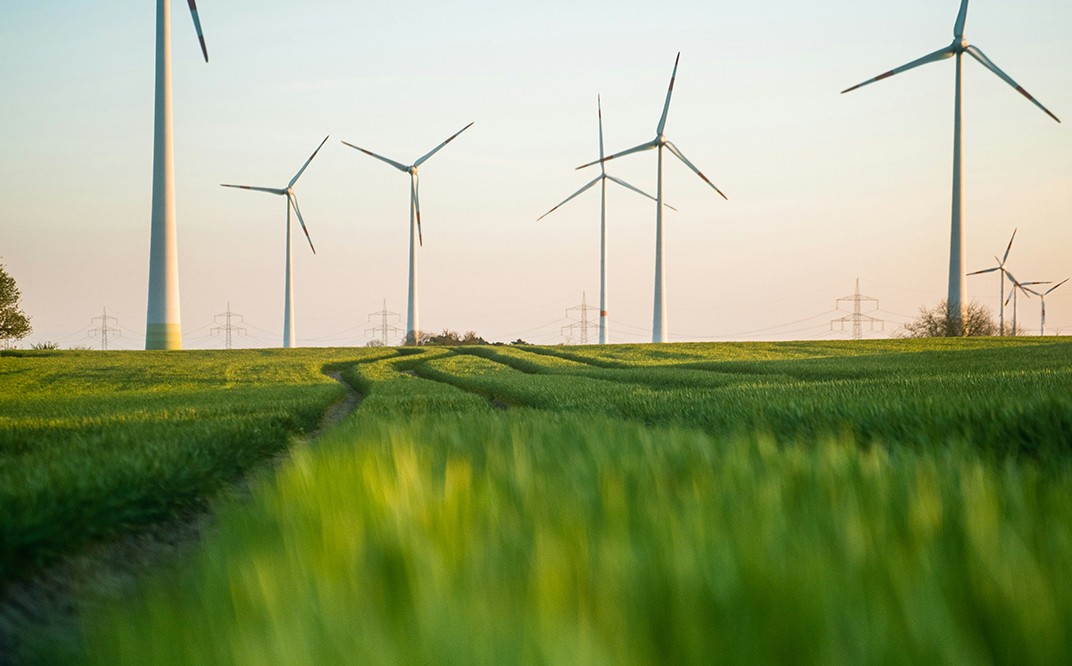
Stopping the subsidization of the fossil fuel industry and shifting these subsidies to renewable energy. Increasing the use of renewable energy sources such as wind and solar.
Gradually phasing out coal-fired thermal power plants, which cause warming and pollution of the planet, and limiting the construction of new coal plants.
Encouraging public transportation to reduce the environmental impacts of the transportation sector, investing in electric vehicles, and imposing restrictions on vehicles running on fossil fuels.
Limiting the use of fossil fuels for heating buildings and meeting electricity needs, and ensuring energy efficiency in buildings.
Measures Companies Can Take
Increasing energy efficiency through measures such as switching to efficient lighting options, installing solar panels, or making appliances energy-efficient.
Balancing carbon emissions by investing in projects like tree planting that will ensure the removal of greenhouse gas emissions from the atmosphere.
Switching to renewable energy sources, such as solar, wind, or hydroelectric, that produce low or no greenhouse gas emissions.
Using software to perform carbon emission management.
Ensuring waste management through methods such as choosing eco-friendly packaging or recycling waste.
Purchasing renewable energy certificates to support the development of renewable energy sources.
Measures Individuals Can Take
Consuming local and seasonal food items, limiting meat consumption, opting for reusable shopping bags, limiting the consumption of plastic-packaged products, and preventing food waste.
Limiting the purchase of new clothes and buying clothing items made from recycled materials.
Choosing electric vehicles, using public transportation, and using shared vehicles.
Shortening shower times, turning off water while washing dishes or brushing teeth, and using energy-efficient products.
Why Is Reducing Carbon Footprint Important?
Reducing carbon footprint positively affects the environment, economy, and public health. Steps to be taken both individually and collectively worldwide could bring about the following advantages:
A significant step will be taken against the climate crisis. Consequently, in the long term, global temperature rates will slow down, aquatic ecosystems can be protected, ocean acidification can be prevented, and the melting of glaciers can be slowed. While the protection of aquatic and terrestrial ecosystems is achieved, biodiversity in these ecosystems is also preserved.
As a long-term result, a decrease in the number of extreme weather events linked to climate change can be observed. Since air and water quality will improve, both biodiversity and human health can be protected.
As deaths increasing due to air pollution decline, the pressure on healthcare systems will ease. The reduction in diseases caused by fine particulate matter will contribute to the revitalization of the global economy by saving billions of dollars spent in this area.
Competition among animals due to forced displacement will disappear. Pressure will be relieved on species that struggle to adapt and fight to survive due to climate change. With the improvement of air, water, and food quality, ecosystems will become healthier, and plant and animal populations will be protected.
Assuring that the global temperature rise does not exceed 1.5 degrees is crucial for protecting the world's climate. However, according to United Nations reports, it is estimated that the temperature rise will be around 2.8 degrees by the end of the century. Global agreements and frameworks, such as the United Nations Framework Convention on Climate Change, Sustainable Development Goals, and the Paris Agreement, provide guidance on reducing the carbon footprint.
Zero Carbon Footprint Targets for a Livable Planet!

It is possible to mitigate the adverse impacts of climate change, protect biodiversity, and leave a much more livable planet for future generations by reducing individual, corporate, and global carbon footprints. While renewable energy, reforestation, and reusable technologies are encouraged worldwide, necessary steps must be taken individually and corporately to reduce carbon footprints.
As QuickCarbon, with our user-friendly software, we make it possible for you to perform calculations and prepare reports in accordance with the ISO 14064-1:2018 Standard and the GHG Protocol. You too can calculate your corporate footprint with QuickCarbon, and evaluate the results you obtain to develop strategies for reducing your corporate carbon footprint.
Get Started Now
Get in touch with us to get to know QuickCarbon better and to see how it can add value to your processes.
Contact Us