
Go Back
Building a Sustainable Future: Green Transition
Developments in recent years, such as the climate crisis manifesting itself effectively, the decline of biodiversity, and water resources sounding a red alert, show that we urgently need to adopt a green transition approach. The cornerstones of this approach include concepts such as reducing carbon emissions and pollution, efficient use of resources, and efficient use of resources in production. So, what does green transition mean, and why is it so important?
What is Green Transition?
Green transition is a key concept for building an economically, socially, and environmentally sustainable future by adopting sustainable and eco-friendly policies. Sustainable use of natural resources, energy efficiency, reduction of carbon emissions, investing in eco-friendly technologies, waste management, and reducing environmental pollution are among the main goals of the green transition.
Green transition promotes a lifestyle in industries and societies that will reduce environmental impacts and cause less harm to ecosystems, and therefore to biodiversity. Green transition also aims to foster a global economy with lower carbon emissions by accelerating sustainability transitions.
Scope of green transition:
Reducing the use of fossil resources and expanding the use of renewable energy sources,
Creating a circular economy and production process by minimizing resource use and waste generation,
Adopting encouraging policies or regulatory measures put into effect by international organizations,
Supporting the green transition in the technological field by fulfilling the requirements of digital transformation,
Transitioning to technological and innovative methods that will also support environmental sustainability in production processes,
Creating sustainable cities with components such as smart buildings that provide energy and water efficiency, and sustainable transportation.
Green transition requires social participation as well as the measures to be taken by governments and companies. For this reason, raising public awareness through various campaigns and projects is of critical importance.
Why is Green Transition Important?
Developed as an innovative model for the harmonious implementation of both economic goals and environmental sustainability, the green transition has brought along new approaches with technological advancements and increasing environmental awareness. Indeed, these new approaches are being adopted more and more each day in the business world and in the process of preparing public policies.
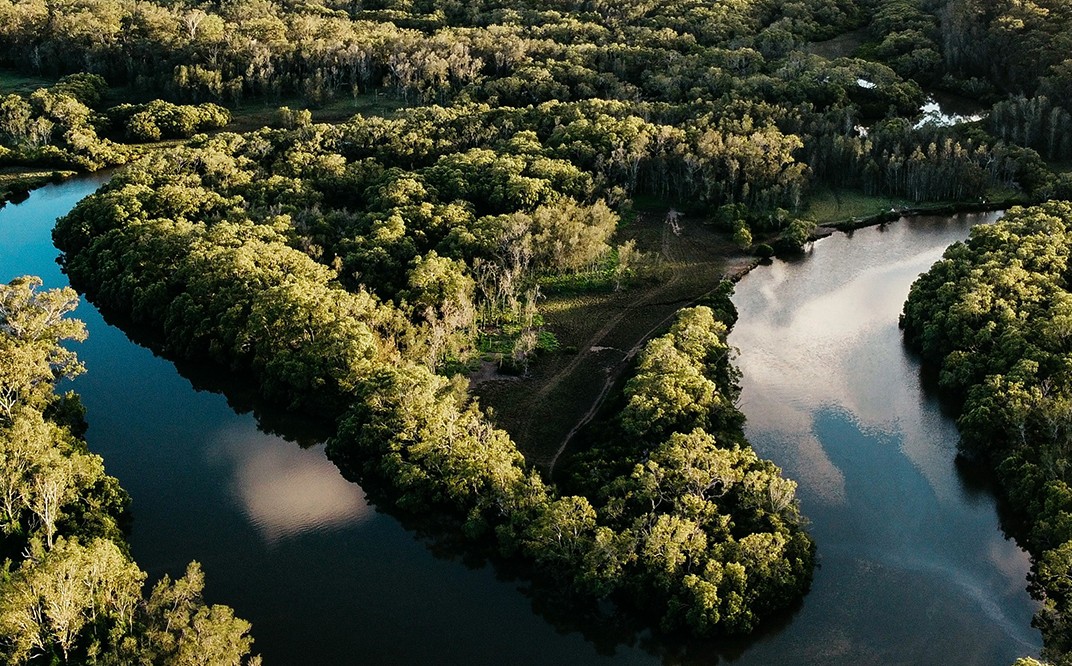
Some of the points showing why green transition is so important are as follows:
Thanks to the green transition that will take place especially in energy production, industry, and industrial processes, carbon emissions and environmental pollution will decrease, thereby minimizing risks to human health and the environment.
Income growth is supported through the creation of new job opportunities. A significant employment potential can be created by transitioning to renewable energy sources for energy efficiency.
It reduces waste generation and carbon emissions by promoting the sustainable use of natural resources in both production processes and consumption habits.
It is supportive in achieving goals such as economic growth, social justice, societal welfare, and environmental sustainability.
The conservation of societies' natural capital is encouraged.
The Sustainable Development Goals prepared by the United Nations ensure support for the green transition. Supporting the green transition is effective in reaching the target of zero carbon emissions for the year 2050, in connection with development goals.
The Connection Between Green Transition and Digital Transformation
With the spread of digital technologies, the world is undergoing a digital transformation. These digital advancements can accelerate the green transition. For example, artificial intelligence and IoT (Internet of Things) have begun to make significant contributions to solving climate change issues, ensuring energy efficiency, and supporting environmental sustainability by reducing carbon emissions.

Furthermore, the prominent areas where digital transformation can support green transition can be listed as follows:
Digital technologies can provide the integration of energy sources to increase energy efficiency. For instance, microgrids or smart grids can be used to optimize the balance between energy supply and demand.
Smart agricultural techniques can be utilized to reduce ecological footprints and optimize resource use. For example, it is possible to use database-supported digital technologies for sustainable production and distribution.
Technologies such as artificial intelligence and digital twins in industry increase industrial efficiency while reducing carbon emissions.
Initiatives such as the “European Green Deal,” developed to encourage investment in sustainable projects, can bring together both public and private sector investments around environmental sustainability.
Sustainable transportation solutions, such as electric vehicles and public transit powered by sustainable energy, are extremely effective in reducing carbon emissions.
With the spread of digital transformation and green transition practices, the economic and environmental progress experienced is accompanied by the transformation of societies toward a more equal world.
Examples of Green Transition in the World
Governments all around the world have implemented many projects to support green transition, and new ones are being added to these projects every day. Some of the green transition projects that can be shown as examples are listed as follows:
To encourage the use of renewable energy sources instead of fossil fuel consumption, Germany launched a project named “Energiewende” in 2010.
Sweden recycles almost all of the waste in the country or uses it in energy production. This situation is called a “recycling revolution.”
Denmark is one of the leading countries in energy production from wind. A very large portion of the energy demand in the country is met by wind turbines.
Thanks to these increasing examples, remarkable progress can be made in terms of green transition.
A More Sustainable Future with Green Transition
For ensuring environmental sustainability, it is extremely important for countries, companies, and individuals to take the green transition steps that fall upon them. Because protecting the planet and leaving a healthy and livable world for future generations can only be possible this way.
If you do not know where to start taking green transition steps, our software offered as QuickCarbon can help you. You can report your corporate carbon footprint within the scope of the ISO 14064-1:2018 Standard and GHG Protocol by using our user-friendly software. You can develop green transition strategies based on the data you obtain.

Get Started Now
Get in touch with us to get to know QuickCarbon better and to see how it can add value to your processes.
Contact Us