Go Back
The Right Ways to Dispose of Waste Batteries
When waste batteries are not safely disposed of, they pose several hazards to natural resources and human health. It is possible to contribute to batteries going directly to recycling centers in a few easy steps. Let us examine in detail what a waste battery is, what kind of damages it can cause, and the most correct and safe ways to get rid of these products.
What is a Waste Battery?
Batteries that have completed their lifespan and are depleted, have expired, or have become unusable due to physical damage are called waste batteries. Waste batteries should not be thought of as materials that should be thrown directly into the trash. This is because batteries contain heavy substances such as carbon, zinc, iron, nickel, manganese, lithium, cobalt, lead, copper, aluminum, mercury, and cadmium. These substances contain various chemicals and pose a danger to both nature and human health.
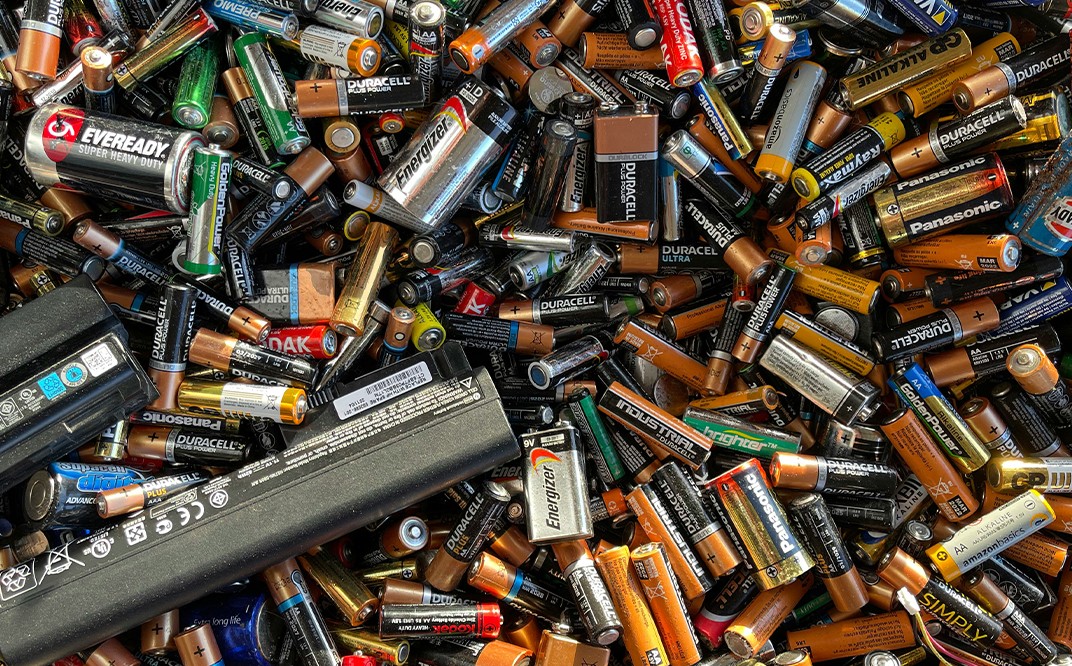
Since battery production is not carried out in Turkey, batteries are imported from other countries. While incoming batteries are checked at the customs stage, the chemical substances inside the batteries are also inspected. Especially when the mercury, lead, and cadmium ratios do not comply with the rates determined in the Regulation on Control of Waste Batteries and Accumulators, the import of that product is not allowed.
Care is taken to ensure that batteries coming to Turkey are products that do not contain certain heavy metals. Mercury, which is a heavy metal, is almost never found in imported batteries. Cadmium substance has a market share of around 2%-3%. Nevertheless, it should not be forgotten that all batteries contain chemicals and are not ordinary household waste.
What are the Harmful Effects of Waste Batteries on the Environment and Human Health?
When waste batteries are left in nature or thrown in the trash, they cause both pollution of nature and pose risks to human health. It is not correct to apply the following methods to dispose of waste batteries:
Throwing them into the trash with household waste,
Leaving them to nature,
Burying them in the soil,
Throwing them into puddles, lakes, and seas,
Burning them in a fire.
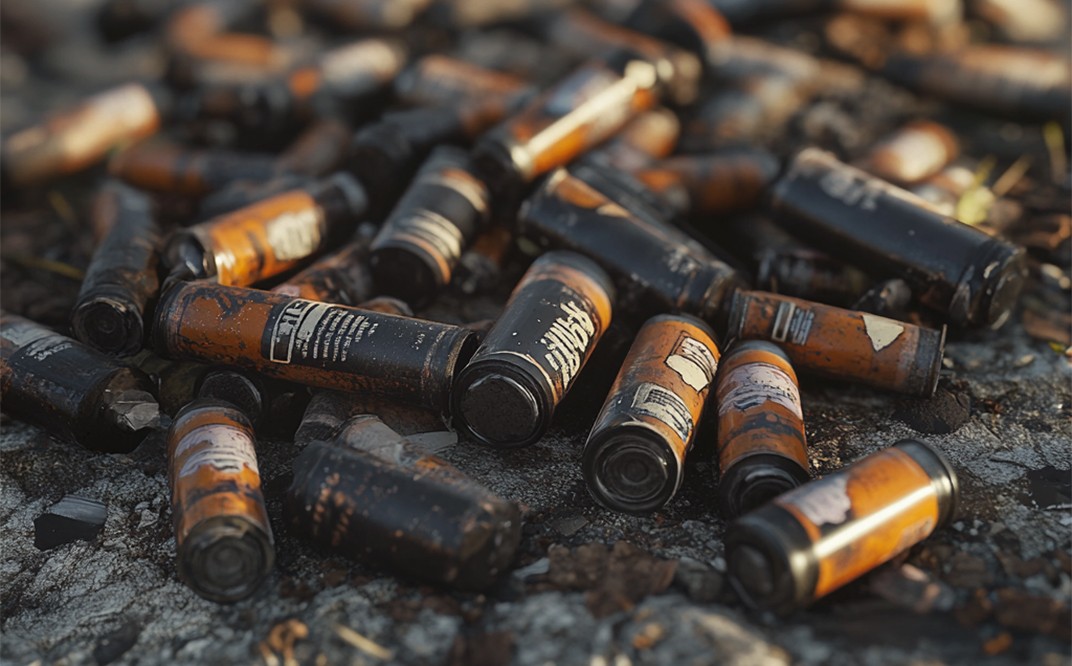
It takes about 300 years for waste batteries thrown in the trash or left in nature to disappear. During this period, there is a high probability that the outer casing of the batteries will be punctured due to various external factors. Puncturing the outer casing causes the metals and chemical substances inside the battery to mix into the soil and underground water.
A single battery alone can cause 4 square meters of soil to become polluted and unproductive. All living things exposed to water contaminated with hazardous waste are at risk against the potential dangers of water pollution.
Heavy metals such as cadmium and mercury contained in batteries can mix into drinking water and food sources, threatening human health. Exposure to chemicals contained in batteries can lead to neurological disorders, nervous system diseases, blood pressure issues, cancer, liver, and kidney diseases.
When waste batteries are not managed correctly, they can pose certain dangers in addition to the damage they cause to the ecosystem and human health. Especially lithium-containing batteries contain heavy metals. This substance is flammable and can cause landfill fires, leading to the release of harmful gases into the atmosphere.
What are the Correct Ways to Get Rid of Waste Batteries?
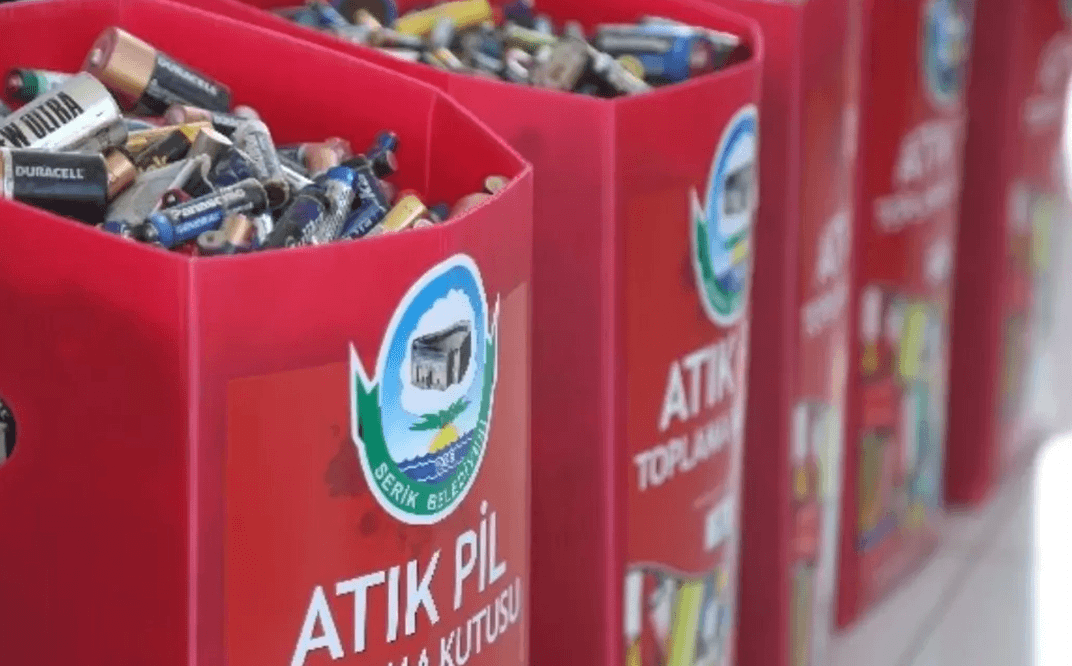
Recycling practices are carried out so that waste batteries do not pollute nature, do not pose environmental risks, and do not adversely affect human health. The Portable Battery Manufacturers and Importers Association (TAP) has been authorized by the Ministry of Environment, Urbanization and Climate Change of the Republic of Turkey for the collection, transportation, and disposal of waste batteries. Through this institution, waste battery collection points have been established in some places throughout Turkey.
Local governments also have certain policies regarding the collection, recycling, and disposal of waste batteries. Consumers can apply to the municipality of the district or province they are affiliated with regarding where to throw their waste batteries.
Waste batteries that have expired should be accumulated in a container such as a box, bag, or jar to be included in the recycling process. This container should only be used to store waste batteries, and other garbage should not be thrown into it. Since waste batteries may leak, it may be beneficial not to keep the batteries waiting for a long time.
Accumulated waste batteries can be thrown into the boxes at the collection points specified below:
Primary and secondary schools and universities,
Neighborhood offices (muhtar),
Mosques,
Hospitals and health centers,
Pharmacies,
Organizations that repair and maintain electrical/electronic equipment,
Youth centers, cultural centers, public education centers, teacher houses, vocational courses, congress centers,
Libraries,
Shopping malls and retail battery sales points, chain stores,
Hotels,
Airports and train stations,
Public institutions and organizations,
Armed forces, gendarmerie, and police units,
Organized industrial zones and factories,
Private sector organizations in the services and construction sectors.
Waste batteries can be delivered via the form on the official website of the Portable Battery Manufacturers and Importers Association. Information on the collection points closest to your location can also be accessed at the same address.
Waste batteries thrown into collection boxes are collected by officials and separated according to their chemical structures. In specific facilities, the metals inside them are separated, made reusable, and brought back into production.
Common recycling methods are chemical, physical, mechanical, and thermal applications. After decomposition, the remaining parts are stored and disposed of under appropriate conditions so as not to harm the environment. Incinerating waste batteries is not an appropriate disposal method. As a result of combustion, toxic substances and heavy metals can mix into the atmosphere, continuing to poison the air, soil, and water.
In addition to the collection and recycling processes of waste batteries, it is beneficial to pay attention to the following points during battery use:
Since batteries have a certain period of use, more batteries than needed should not be purchased.
Newly purchased batteries should be stored in their original packaging until use.
Batteries should not be stored in the freezer or deep freezer. They can be placed in the refrigerator section, but when removed, they must be kept at room temperature for 24 hours before use.
Batteries inside devices that have not been used for a long time should be removed. After the positive and negative ends are wiped with a dry cloth, they should be stored in a nylon bag or cardboard box. In this way, the possibility of chemical solutions leaking from inside the battery and damaging the device is reduced.
Non-rechargeable batteries should definitely not be charged. Otherwise, situations such as overheating, swelling, gas release, ignition, and explosion may occur.
Batteries should not be punctured, crushed, and should be stored in places out of reach of young children.
Leaked batteries should not be handled with bare hands and should not be brought into contact with skin.
Leaving a livable world to future generations and thinking about tomorrow while using the planet's resources is an individual and corporate responsibility. If you too are thinking about how to consume world resources in the most correct and efficient way, you can start by measuring your carbon footprint.
QuickCarbon calculates and reports corporate carbon footprints according to ISO 14064-1:2018 Standard and GHG Protocol in a way that requires no consulting services. In light of the results obtained from these reports, you can determine your strategies that support sustainability, such as waste battery policies, and take action immediately.
Get Started Now
Get in touch with us to get to know QuickCarbon better and to see how it can add value to your processes.
Contact Us