Go Back
All About Permaculture
In a world where agricultural lands are becoming unproductive, natural resources are rapidly depleting, and environmental problems are steadily increasing, a sustainable life can still be possible despite all of this. Meeting the needs of both today's environment and future generations, and living in harmony with nature, is only possible by changing our approach to nature. This is where permaculture comes into play. Permaculture is a system that focuses on designing sustainable agriculture and living spaces by taking natural ecosystems as a model. It aims to create self-sufficient living spaces by using resources efficiently without harming nature. By integrating permaculture design into life, it is possible to build a healthier and more sustainable future. Let's explore together all the details about permaculture.
What is Permaculture?
Permaculture is a concept developed by Bill Mollison. It is derived from the combination of the words "permanent agriculture" and "permanent culture". This approach aims at the conscious design and sustainable operation of agricultural systems that possess the diversity, stability, and resilience of natural ecosystems. Permaculture aims to meet humans' needs for food, energy, shelter, and other requirements in harmony with nature. Without permanent agriculture, achieving a sustainable social order is impossible.
Permaculture design is a system that benefits both nature and humans by bringing together elements that support life. The core philosophy of this approach involves cooperating with nature instead of fighting it, and engaging in long-term observation instead of acting in haste. Rather than obtaining only a single result from systems, considering their multiple functions and allowing for the natural evolution processes of these systems are among the important elements of permaculture.
Since permaculture is based on beneficial design principles, it can be integrated with other ethical values and skills. Having the potential to be applied to every area of human life, this system requires some changes and innovative thinking, especially in existing settlements and agricultural areas. Permaculture is based on a set of principles that aim to work in harmony with nature. In this context, as interpreted by writer Maddy Harland, a permaculture creator, these principles can be analyzed under several headings.
Observe and Interact
In a world where quick-fix solutions and instantaneous changes are common, watching the cycles of the seasons, observing microclimate changes on a piece of land, and understanding the effects of factors such as weather conditions and slope on plant growth make it possible to gain an awareness of nature. This process helps in making more conscious and accurate decisions when designing homes and gardens sustainability or when planning farms.
Catch and Store Energy
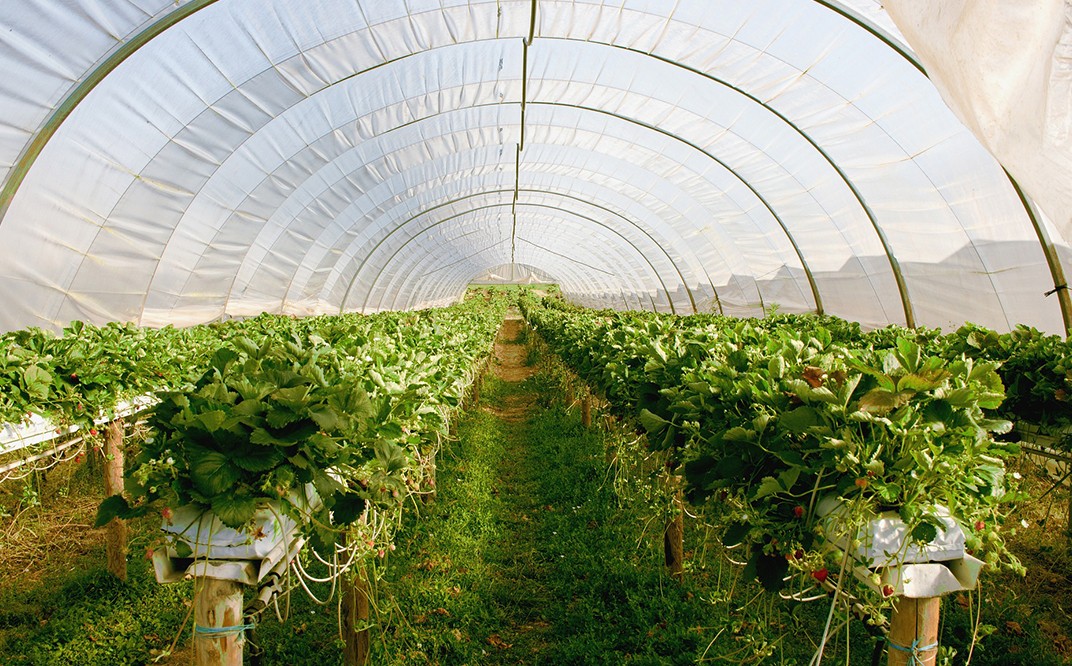
The other important element, closely related to observation, is the art of capturing energy in design, aiming to minimize reliance on external resources. For example, it can be important to avoid planting sensitive seedlings in areas at risk of frost in spring, or to make the best use of solar energy by placing a greenhouse on the south-facing side of a building. This means both increasing the yield obtained from the season and heating the house with passive solar energy. Collecting water, sunlight, heat, soil, biomass, and fertility as much as possible contributes to living a more independent and resilient life.
Obtain a Yield
Every action must provide a tangible return. By emphasizing this, the aim can be to use energy and resources efficiently and secure a direct benefit.
Apply Self-Regulation and Accept Feedback
Burning fossil fuels causes carbon dioxide to be released into the atmosphere. This means heat is trapped and temperatures rise. This process causes glaciers to melt and reflective surfaces to be lost, leading to more solar radiation being absorbed and temperatures rising even further. It is necessary to accept responsibility for the situation and its consequences and take the necessary precautions.
Use and Value Renewable Resources and Services
Permaculture aims for the use of renewable resources. This approach is not limited solely to energy but also covers areas such as ecological construction, planting deep-rooted crops, soil conservation, and seed saving in annual plants. Dependence on non-renewable resources, technical fixes, and speculative funding keeps growing. It should not be ignored that the dangers this situation might create are becoming more apparent.
Produce No Waste
In the UK, the average household generates about 14.1 kg of waste per week. This is equivalent to the weight of approximately 24 bags of sugar. Annually, 29 million tonnes of waste is created, 55% of which comes from households. PM does not have a waste collection system, and its businesses are shaped according to permaculture principles. Reusing is recommended as the first step. Next, it recycles materials such as paper, cardboard, textiles, and glass, and composts food waste and shredded paper. The resulting compost feeds the edible plant garden outside the office and provides a potting medium for other projects at the Sustainability Centre.
Design from Patterns to Details
Cultivated ecology is one of the core elements of permaculture and refers to how organisms develop in an environment over time. Designing your business or home to support plants, store energy, or improve food production can help create an eco-friendly business model. This can ultimately help put permaculture ideals into practice.
Integrate Rather Than Segregate
When various ecosystems and elements work together, an increase in yield can occur. Bringing elements such as plants and animals together ensures a reduction of pests in nature. While cultural diversity creates a strong and productive structure in human societies, a monolithic structure can lead to social pressures.
Use Small and Slow Solutions
Large and complex systems can carry certain risks. By using local and easy-to-repair technologies, environmental impacts can be reduced, and systems can be made more resilient. Localization of resources and food supply are factors that increase resilience against external factors.
Use and Value Diversity
Diversified ecosystems are more sustainable. Different crops, energy sources, and employment opportunities provide social and economic stability. Accepting social diversity contributes to creating a more just and peaceful society.
Use Edges and Value the Marginal
Edge areas in nature are the most productive places of ecosystems. In these areas, the interaction of elements and organisms increases, and biodiversity is enriched. In human societies, the edge represents the spaces where different thoughts and new ideas develop. These spaces are often targeted for suppression in oppressive regimes.
Creatively Use and Respond to Change
Change and succession in nature are continuous processes. Plants succeed each other depending on climate and other factors. This variability in nature is also a lesson for humans. Embracing innovation and change and managing this process creatively forms the basis of a vision for the future.
What Are the Main Goals of Permaculture?

Permaculture is an approach that includes designs aiming to live in harmony with nature and provide long-term sustainability. One of the main goals of this system is to meet the needs of humans while preserving the ecological balance without harming nature. Operating with future generations in mind, permaculture aims to create productive systems without damaging the environment.
Benefits of Permaculture
Environmental Benefits
Permaculture is a practice that improves the soil by preventing soil erosion and protects nature in the long term. It ensures the more efficient use of soil in agricultural activities. It optimizes water use without wasting water resources, through methods such as mulching and swales. It fights environmental pollution by reducing dependence on chemical fertilizers and pesticides. Permaculture directly contributes to the fight against climate change thanks to the planting of carbon-storing trees.
Social Benefits
Strengthening solidarity among communities, permaculture offers educational opportunities on sustainable living and environmental awareness. The increase in local food production through permaculture ensures food security and greatly reduces dependence on global supply chains. In this way, people can access healthier and fresher food while at the same time increasing their self-sufficiency. Building a society resilient to economic and environmental crises is also among the social benefits of permaculture.
7 Successful Examples of Permaculture
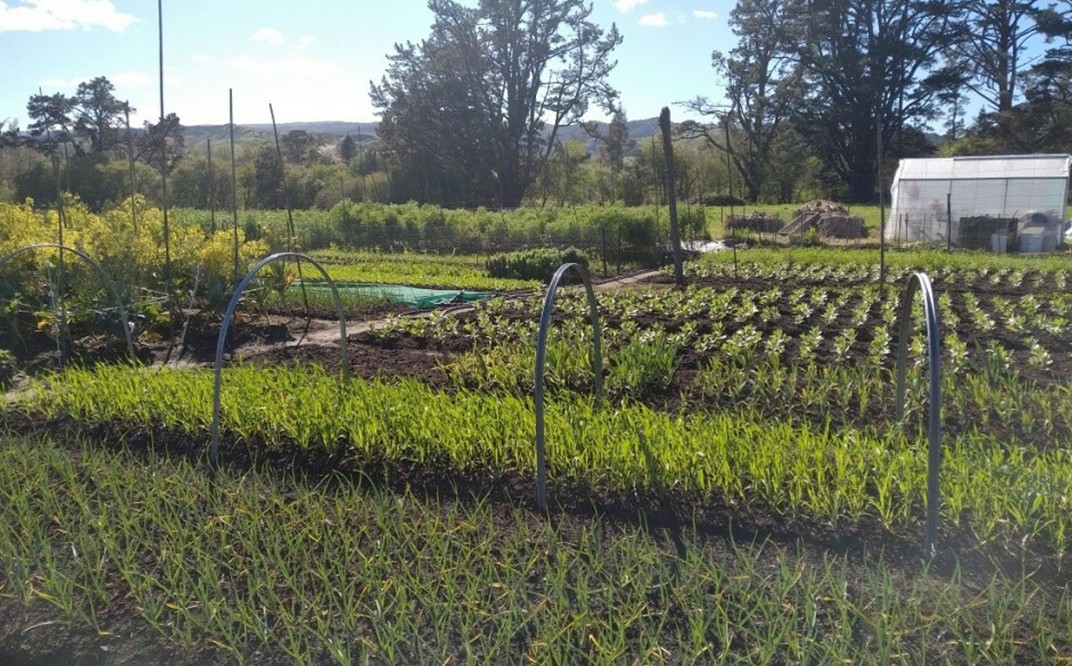
Permaculture includes methods that are widely applied in agriculture. Agriculture is one of the important activities to sustain the human food chain. There are some prominent examples of how some agricultural organizations in the world apply permaculture.
Permaculture in Ukraine
A non-profit organization practicing permaculture in Ukraine strives to ensure the dissemination of permaculture techniques in local communities. The primary goal of the organization is to make society understand the importance of this issue through permaculture practices suited to local needs.
Koanga Institute
Located in New Zealand, the Koanga Institute is home to the world's largest organic seed collection. It also provides training in permaculture, offering knowledge on sustainable living. Its workshops are designed for those interested in permaculture who aim to encourage their own communities toward sustainable living.
Permaculture Association of South Australia (PASA)
This non-profit organization promotes the spread of permaculture in South Australia. It emphasizes showing respect to nature and people, and reducing resource consumption. PASA aims to popularize permaculture practices in every region of South Australia.
Permaculture Institute of North America (PINA)
PINA supports design, education, and daily habits by establishing sustainable standards related to permaculture. It also offers a program that provides permaculture accreditation, supporting individuals in gaining competence in this field and contributing to them becoming reliable experts.
Senegal Permaculture Project
A landowner in Senegal initiated this project by requesting local authorities to develop a plan for more sustainable agriculture. An 11-acre farm serves as a live demonstration site for villagers and landowners. This project encourages making decisions in harmony with nature by considering the social consequences of environmental impacts.
Happy Food Farm
Located in Nanning, China, Happy Food Farm produces vegetables, flowers, fish, and chickens. This farm minimizes waste generation by providing food for its animals with the fruits and vegetables it grows itself. It also places great importance on teaching the benefits of permaculture to children in the local community. It aims to contribute to future generations easily adopting this system.
IDEP Foundation
Operating in Bali, the IDEP Foundation provides training for sustainable development using permaculture methods. It offers training to local communities on the importance of permaculture, the impacts of natural disasters, and how to respond to climate change. Thus, it teaches how society can be resilient against these changes and how it can rebuild using permaculture ideals.
These examples show that permaculture can be applied not only in agriculture but in every field of social and ecological sustainability. If you want to learn about permaculture and do not know where to start, you can choose QuickCarbon software. Your business's corporate footprint is calculated within the scope of the ISO 14064-1:2018 Standard and GHG Protocol, and report details are delivered to you. We are by your side while determining key strategies and details in creating a sustainable future.

Get Started Now
Get in touch with us to get to know QuickCarbon better and to see how it can add value to your processes.
Contact Us