
Go Back
What is Social Sustainability?
Individuals need environments where their basic needs can be met to survive. For a high-quality, free, and productive life, a supportive environment and fundamental values such as justice and equality are required. Social sustainability offers a comprehensive understanding that clarifies the elements of sustainability related to the needs of the individuals who make up society. It outlines the roadmap that can be followed to increase the welfare of societies and ensure that future generations have a good living space and opportunities. Let's examine in detail which elements social sustainability includes and by which methods it can be implemented.
What Does Social Sustainability Mean?
Sustainable development is a concept that is mostly addressed in its environmental and economic dimensions. The third, fundamental, and important element of this concept is social sustainability. Social sustainability addresses the social dimension of sustainable development, focusing on people and society. It is also closely related to the concepts of environmental and economic sustainability.
Social sustainability aims to meet certain needs of societies while ensuring that the capacity of future generations to meet their own needs is not compromised. It focuses on ways to promote physical and social well-being by ensuring the fair distribution of resources and opportunities owned. In this way, it can be possible to look to the future with more confidence and to build healthy societies in the future.
What Does Social Sustainability Encompass?
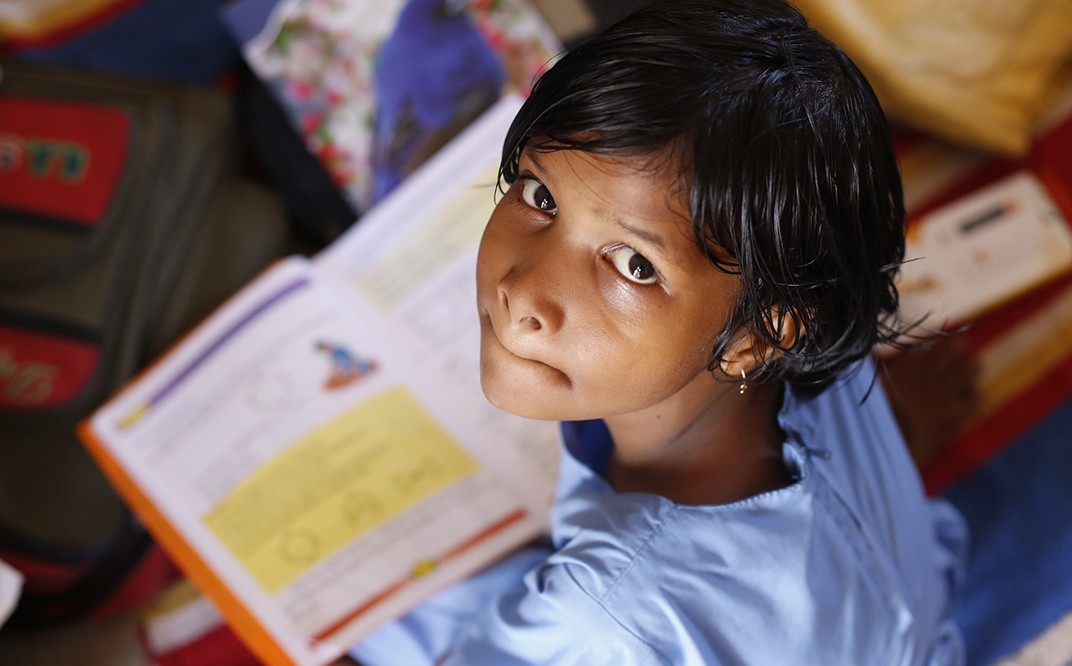
There are 17 Sustainable Development Goals determined by the United Nations, which are planned to be completed by 2030. These goals encompass many topics related to social sustainability and offer a broad roadmap for a better future.
The topics and goals addressed within the scope of social sustainability are as follows:
No Poverty: Factors such as unemployment, social exclusion, and certain groups being more affected by events like disasters and diseases are among the causes of poverty. These causes can prevent individuals or groups from being productive and developing economically. Since the well-being of people is largely interdependent, increasing poverty can negatively affect overall economic growth and weaken social cohesion. By increasing political and social tensions, it can cause instability and conflicts.
Zero Hunger: The issue of hunger and food insecurity has become a major problem due to the combination of the pandemic, various conflicts, climate change, and increasing inequalities. In 2022, it was determined that approximately 735 million people, i.e., 9.2% of the world's population, faced chronic hunger. Fighting hunger can play a role in resolving many social problems. With widespread access to clean food, the economy, health, education, equality, and social development can also be positively affected.
Good Health and Well-being: Today, a significant portion of the global population lacks access to vital and supportive health services. Universal health goals, on the other hand, include topics such as providing safe and affordable health services, medicine, and vaccines for everyone. Since healthy people form the foundation of healthy societies, developments in the field of health are one of the first steps in the development of societies.
Quality Education: Education can be the key to achieving the Sustainable Development Goals. A quality form of education can help break cycles of poverty, reduce inequalities, and ensure gender equality in many areas. It can encourage individuals to lead healthier and more sustainable lives. It can play a role in understanding the importance of concepts such as tolerance, solidarity, and peace.
Gender Equality: Gender inequality is a factor that delays and sometimes halts social progress. Violations of girls' right to education, discriminatory practices in professional life, women spending more time on unpaid housework, sexual violence, and exploitation are among the issues that need to be resolved to achieve gender equality. The demand for gender equality is not only a fundamental human right but also necessary for a prosperous and sustainable world.
Decent Work: Respectful and decent work means that everyone can have access to productive jobs and earn a fair income. It also includes requirements such as ensuring the safety of employees in the workplace and the social security of their families. Increasing quality job opportunities can facilitate the improvement of living standards by supporting economic growth.
Reduced Inequalities: Inequality is a situation that negatively affects social and economic development, increases poverty, and damages individuals' self-esteem. Inequalities based on grounds such as income, gender, age, disability, sexual orientation, race, ethnicity, and religion can deprive individuals and societies of better living conditions. Since global inequality affects all interconnected individuals, reducing inequalities can support an overall increase in welfare.
Peace and Justice: Ongoing conflicts and civilian casualties negatively affect the global peace goal. Conflict and insecurity are among the obstacles to the development of societies. This is because economic and social development and progress can only be possible in safe environments. For this reason, a fair and peaceful environment is one of the requirements of sustainable life.
The core ideas connecting social sustainability topics are the understanding of human rights and social justice. In addition to these goals, criteria such as diversity, social cohesion, democracy, and social opportunities are also areas that social sustainability touches upon. By strengthening the social structure within the framework of these criteria, the body of social values extending into the future can be built in a healthier way. This process can be possible by reducing discrimination and ensuring impartiality, because societies have certain social resources and specific physical resources that are not unlimited.
These resources can be classified as follows:
Physical Resources: Includes elements such as food, shelter, clean water, clothing, and energy.
Social Resources: Includes elements such as access to information, freedom of expression, and participation in decision-making processes.
The concept of social sustainability emphasizes the importance of ensuring the fair distribution of these resources. It includes the idea that everyone has equal rights and that opportunities should be distributed fairly. The fair distribution of opportunities and resources contributes to social cohesion and the harmonious rise of society's quality of life.
What Are Social Sustainability Policies?
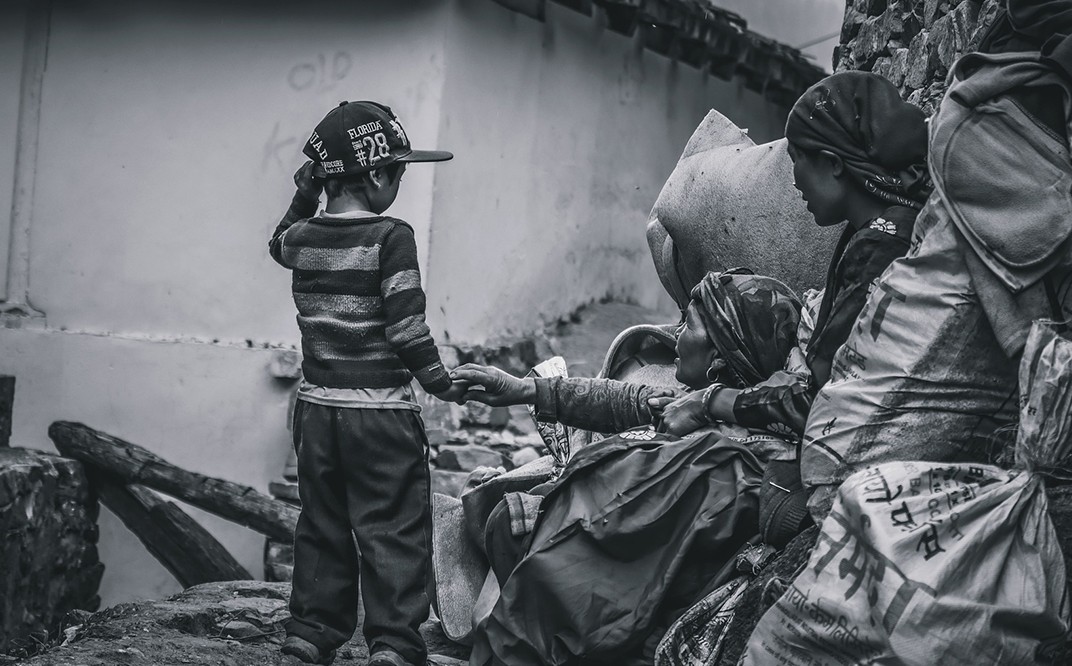
Social sustainability policies play an important role in building a sustainable future. In this context, individuals, social groups, institution and business managers, country administrators, and non-governmental organizations can contribute to social sustainability goals in various ways.
Some of the basic short- and long-term methods that can be implemented to increase the current and future welfare levels of societies are as follows:
Poverty Reduction and Decent Working Conditions
Carrying out economic support programs for low and disadvantaged income groups,
Creating training projects that will enable individuals to develop professional skills suitable for the demands of the labor market,
Increasing employment opportunities and giving individuals equal opportunities to benefit from these opportunities,
Implementation of policies that protect the health, safety, fair wages, right to rest, and social rights of employees.
Fighting Hunger
Supporting local producers to facilitate access to food in rural areas,
Developing conscious, sustainable consumption habits to prevent food and water waste at home and in the workplace,
Choosing businesses and restaurants that show sensitivity to food waste.
Access to Health Services
Making physical, mental, and psychological health services accessible to everyone,
Expanding healthcare services provided on issues such as reproductive and maternal-infant health, especially for low-income groups and communities,
Promoting vaccination services within the scope of fighting infectious diseases such as HIV, tuberculosis, and malaria.
Quality Education
Making quality and qualified educational opportunities accessible to everyone,
Facilitating access to resources in schools such as clean drinking water, electricity, computers, internet, and social activities,
Facilitating and guaranteeing the right to education and information for children living in underdeveloped countries, rural areas, and low-income families.
Gender Equality
Combating unconscious gender-based social biases and gender stereotypes,
Creating social awareness about issues such as the violation of girls' right to education and child marriages,
Implementing policies that protect women's position in the workforce and their right to equal pay,
Preventing cultural practices such as female genital mutilation.
Why Is Social Sustainability Important?

Social sustainability is the process of creating more sustainable environments by understanding what individuals need in the places where they live and work. It aims to secure the short- and long-term well-being of individuals and societies. Caring for future generations' right to a healthy and sustainable life, as well as their need for resources, is also an important part of this process.
The importance of the goals encompassed by social sustainability can be summarized as follows:
Continuous and high-quality health and education services mean a better quality of life for everyone.
Steps taken to ensure social justice and equality contribute to social peace and integration. When individuals feel that they are equal parts of society with equivalent rights, it strengthens social consciousness and solidarity.
Social sustainability also forms the basis of economic developments. Educated and healthy societies can be economically more productive and advanced.
When employees feel secure, it can increase their motivation and productivity. In this way, economic growth and development can accelerate.
It enables a more effective struggle against global problems that require international solidarity, such as global warming, poverty, and pandemics.
Individuals and societies living in prosperity, with uninterrupted access to fundamental rights and services, can be more open to innovations. In this way, they can find opportunities to turn to creative fields such as science and art.
In environments where cultural and ethnic differences are lived freely, it is possible for diverse and value-generating views to emerge. Emphasizing diversity arising from differentiation can strengthen social peace in addition to social development.
To create strategies related to sustainability or to improve your existing strategies, you can benefit from the software we have prepared as QuickCarbon. You can calculate your carbon footprint in compliance with the ISO 14064-1:2018 Standard and the GHG Protocol scope without the need for any consulting services, and prepare user-friendly strategies.

Get Started Now
Get in touch with us to get to know QuickCarbon better and to see how it can add value to your processes.
Contact Us