Go Back
UN Sustainable Development Goals
Developed with a holistic perspective and prepared as a global call to action, the UN (United Nations) Sustainable Development Goals consist of 17 interconnected goals. Focusing on global issues, these goals encompass social, environmental, economic, and societal dimensions and are complementary to each other.
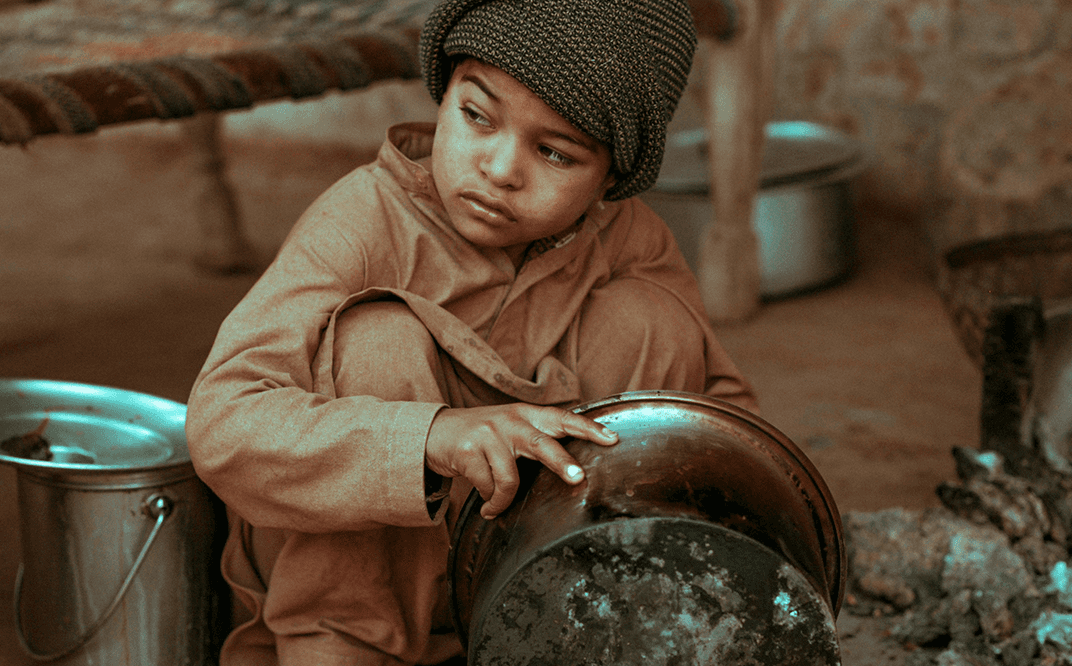
1. End Poverty
Poverty is one of the greatest obstacles to living a dignified life as a result of people being unable to meet their most basic needs. The United Nations' Sustainable Development Goals 2023 report states that the number of people living in extreme poverty rose to 724 million in 2020. This number continues to increase day by day due to wars, natural disasters, international crises, climate change, and particularly the ongoing effects of the pandemic.
Among the UN Sustainable Development Goals is the target of ending all forms of poverty so that all people can meet their most basic human needs such as health, nutrition, and shelter. The primary objective of the goal is to end extreme poverty globally by 2030. According to the World Bank's Sustainable Development Goals Atlas 2023 data, the international poverty line is $2.15. This means that individuals with a daily income of less than $2.15 are struggling with extreme poverty.
2. Zero Hunger
Hunger, which increases in parallel with poverty, is one of the world's greatest problems. The UN Sustainable Development Goals 2023 report states that in 2019, approximately 7.9% of the world's population was facing chronic hunger. In 2022, this figure is stated to have risen to 9.2%, affecting approximately 735 million people.
Under the goal of ending hunger, which is a global problem, priorities include ensuring food security and making adequate and good nutrition accessible. Increasing access to healthy, safe, and sufficient food, especially for more vulnerable groups such as infants, the elderly, and the poor, is among the priority goals. At the heart of this Development goal is also the supporting of sustainable agriculture to ensure nutritional security for all.
3. Good Health and Well-Being
The third of the development goals envisages making a healthy and quality life possible for everyone. For example, it aims to guarantee the right to life of individuals of all ages by increasing access to childhood vaccinations, reducing maternal mortality rates related to pregnancy or childbirth, and reducing newborn and child mortality rates.
In addition to healthy living, it aims to combat tuberculosis, AIDS, malaria, hepatitis, water-borne diseases, and infectious diseases to promote well-being. By minimizing such conditions that threaten human health and well-being, the aim is to improve mental health alongside physical health.
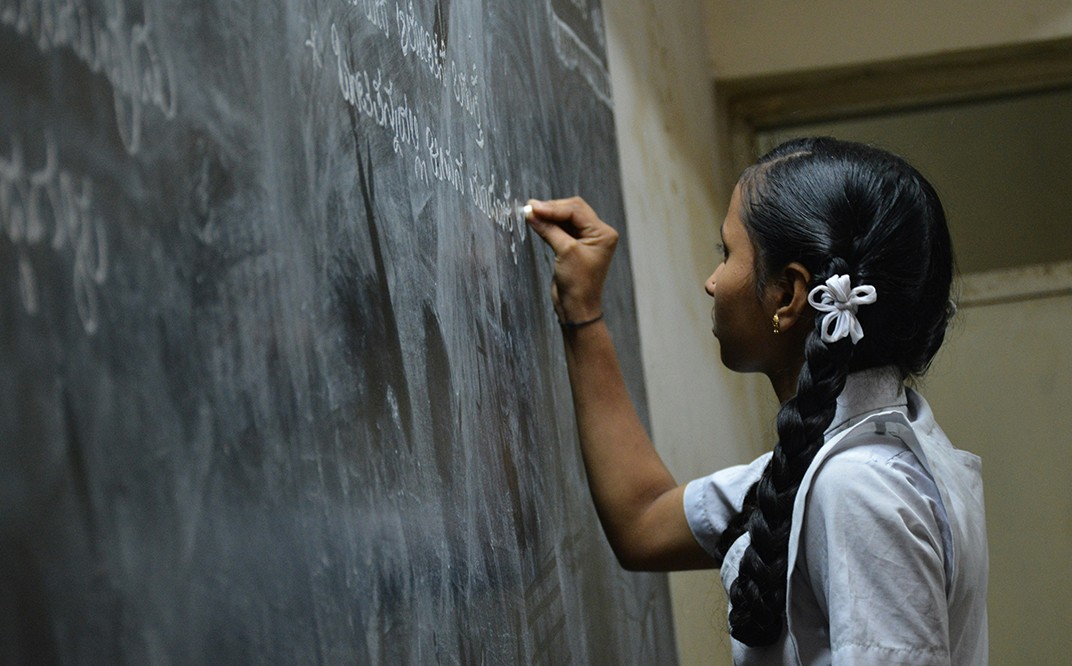
4. Quality Education
One of the most important parameters of individual development, societal and global progress is education. In regions where quality education cannot be provided, poverty, hunger, and health problems also tend to increase. By expanding inclusive quality education opportunities, all these mutually triggering problems can also be reduced.
According to the 2023 report published by the UN, it is estimated that by 2030, 300 million children and young people will still lack basic mathematics, reading, and writing skills. To remove this obstacle to universal and meaningful communication, ensuring that children have access to free and quality education without any discrimination has been determined as the fourth goal of the development goals. Supporting inclusive education models aims to promote lifelong learning opportunities for all.
5. Gender Equality
Within the scope of supporting society holistically, ending gender-based discrimination and empowering girls and all women is one of the important aims of the development goals. By ending gender inequality, it also aims to end all forms of abuse and violence and prevent negative situations such as child marriage and forced marriage.
It aims to empower women to take a greater role in decision-making mechanisms in social, political, and economic life, and to prevent inequality of opportunity in these processes. However, global data on the future of gender equality reveals that there is still a very long way to go in this regard. For example, according to the United Nations, despite all progress, it is estimated that ending child marriage will take approximately 300 years, and women representing themselves equally with men in positions such as workplace leadership will take 140 years.
6. Clean Water and Sanitation
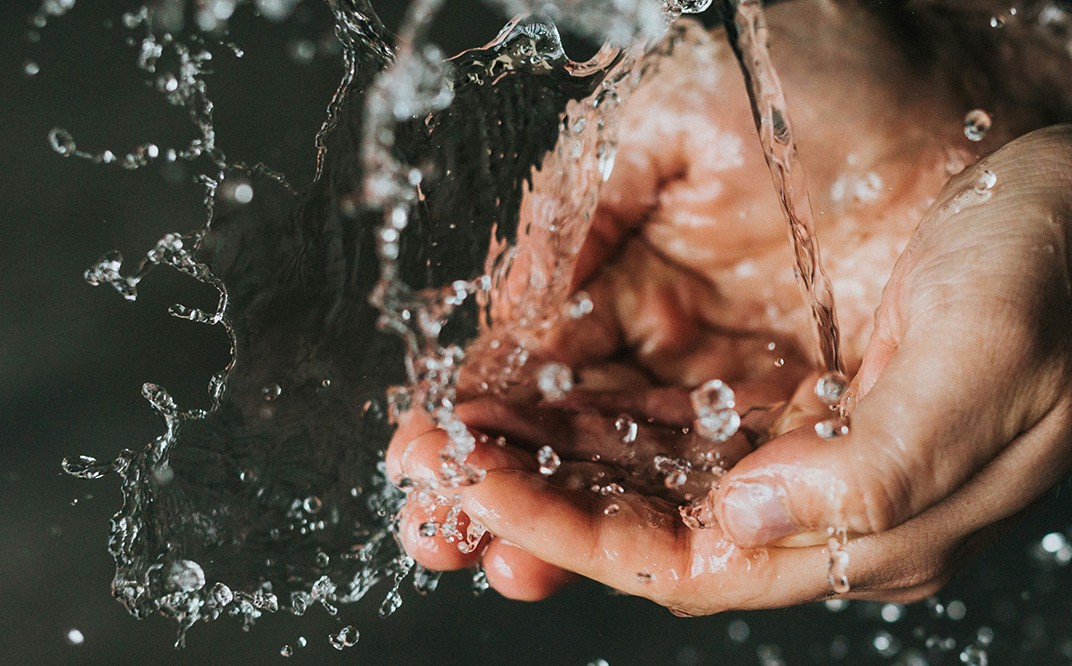
Water is of vital importance to humans and the use of clean water is indispensable for human health. However, clean water is not yet sufficiently accessible everywhere in the world, leading to serious health problems. Since the 1960s, water scarcity levels have been observed to increase in approximately two-thirds of the world.
To minimize these identified problems, the goal has been set to make clean water and wastewater services accessible and sustainable for everyone. To protect human health, it is aimed to reduce pollution and raise water quality worldwide.
7. Affordable and Clean Energy
To sustain daily life without interruption, everyone needs to have access to clean energy sources at affordable prices. To support people in continuing their lives healthily, the goal of making sustainable, clean energy accessible has been set. This goal also includes increasing energy sources and efficiency through clean energy research and international collaborations, and using eco-friendly resources.
8. Decent Work and Economic Growth
Successive crises such as the pandemic, wars, and migrations threaten the global economy and slow down economic growth. At the same time, they cause employment opportunities to decrease, forcing more people into informal employment due to difficult economic conditions. In order to reduce such causes, the goal of supporting decent work opportunities for everyone and achieving sustainable and stable economic growth has been set. This aims to ensure a life under fairer conditions.
9. Industry, Innovation and Infrastructure
Within the scope of this goal, which aims at social development and economic growth, it is aimed to establish resilient infrastructures, promote innovation, and support sustainable industry. With all these developments, it is envisaged to achieve various goals such as increasing human well-being and reducing inequalities.
Particularly, it aims to increase access to financial services, including affordable credit, and integration into global markets for small-scale industrial enterprises and other businesses in developing countries.
10. Reduced Inequalities
Global crises, wars, and difficult economic and geographical conditions lead to an increase in all kinds of inequalities both between countries and people. Within the scope of this goal, it is aimed to reduce inequalities both within and among countries.
It aims to empower everyone politically, socially, and economically, regardless of gender, religion, language, race, age, ethnicity, disability, or any status based on economic factors. By ending discriminatory laws and practices, the provision of equal opportunities is envisaged.
By 2030, it is aimed to ensure that the income growth of the bottom 40% of the population is sustained at a rate higher than the national average.
11. Sustainable Cities and Communities
Within the scope of the goal, it is aimed to ensure everyone's access to affordable housing and basic services, improve public transport systems, and ensure safety. By developing the sustainable city concept permanently, a suitable environment is also created for the protection of natural resources.
For the growing urban population to live in prosperity, and in a healthy and quality environment, cities need to have a more sustainable structure. According to the United Nations, more than half of the world's population lives in urban areas, and this rate is expected to reach 70% by 2050.
12. Responsible Consumption and Production
It includes developing all production and consumption areas within the framework of sustainable qualities and awareness of responsibility. It aims to leave a healthy environment for future generations with goals such as preventing food waste, using natural resources efficiently, reducing waste generation, creating effective waste management, managing damage to nature, and increasing awareness of living in harmony with nature.
13. Climate Action
Within the scope of this goal, expressed as climate action, it is aimed to combat the climate crisis, i.e. climate change, which is seen as a global problem, and the effects of this change. It is aimed that national and international actors work together to prepare adaptation policies against natural disasters that climate change may cause and to take the necessary measures.
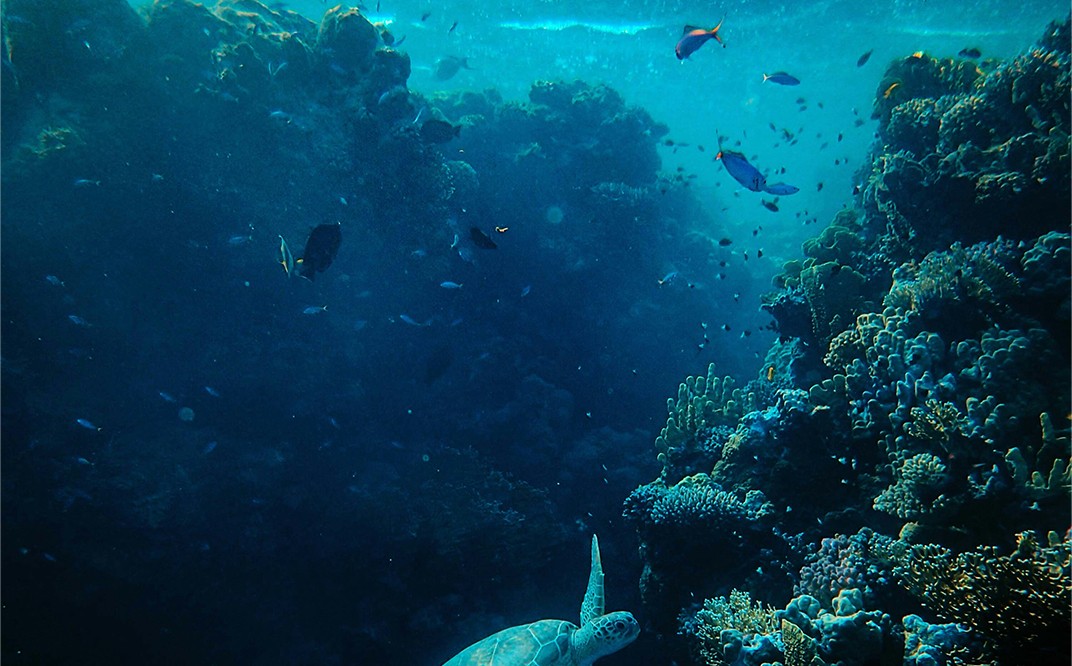
14. Life Below Water
The continuity of human life is closely related to the healthy existence of all other living things. For example, the cleanliness of waters is extremely important for the survival of aquatic organisms. From this point of view, another of the UN Sustainable Development Goals covers the conservation and sustainable use of oceans, seas, and marine resources.
It aims to reduce marine pollution, ensure the sustainable use of marine resources, and protect the ecosystem and biodiversity. Under the goal, the protection of natural water resources is aimed by evaluating sustainable development with a holistic approach.
15. Life on Land
Terrestrial ecosystems, which are of vital importance for sustaining human life, encompass various cultural and economic values and harbor rich biodiversity. To preserve this wealth, the sustainability of terrestrial ecosystems must be supported and improved.
Within the scope of the goal, it is aimed to combat drought, determine an effective forest management policy, and halt land degradation. The goal also covers increasing the capacity of local communities to pursue sustainable livelihood opportunities and efforts to combat illegal poaching and trafficking.
16. Peace, Justice and Strong Institutions
The economic and environmental dimensions of sustainable development can be completed with developments in its social dimension. Developing a peaceful environment worldwide and ensuring justice for everyone are the most crucial stages of the social dimension of sustainability.
Under this goal, it is aimed to build societies where inclusivity, peace, and justice are prioritized by reducing all forms of violence and abuse. At the same time, the creation of accountable and effective institutions is supported to protect these values.

17. Partnerships for the Goals
The last of the UN Sustainable Development Goals aims to establish national and international partnerships to achieve all other goals. Maintaining a clean, fair, equal, and peaceful life in the world, and achieving all these goals can only be possible if international actors in particular meet on the same page. Global partnerships can be revitalized through areas such as trade, technology, and finance, and national goals aligned with these objectives can be supported.
Adhering to these goals set by the UN at both individual and corporate levels is critical to making the world more livable. Businesses, in particular, can take significant steps to achieve the goals related to the environmental dimension of sustainability.
If you want to take these steps and make your business more sustainable, thanks to the software we offer as OuickCarbon, you can access calculations and reports prepared in accordance with the ISO 14064-1:2018 Standard and the GHG Protocol without needing any consultancy service. With the data you obtain, you can plan what you can do to make your business more sustainable.
Get Started Now
Get in touch with us to get to know QuickCarbon better and to see how it can add value to your processes.
Contact Us