Go Back
What is the Water Cycle?
The water cycle, which is one of the most fundamental and vital processes on Earth, is critical for the continuation of life on the planet. This cycle is closely related to processes such as the regulation of climates and the replenishment of natural resources. The water cycle has a process that is as orderly as it is complex. Let's take a closer look at the phases of the water cycle, its importance on earth, and the impacts of human activities on this cycle.
Hydrological Cycle (Water Cycle)
Water, which is one of the most basic elements needed to ensure the continuity of life on Earth, is in a continuous cycle between the atmosphere, the earth, and the underground. This continuous movement of water in different forms is called the water cycle, or alternatively, the hydrological cycle.
Although the water cycle, which has been ongoing for 4.5 billion years, is generally defined as a simple circular cycle of evaporation, condensation, and precipitation, it essentially has a much more complex process.
What Are the Main Processes of the Water Cycle?
The water cycle consists of several main stages that follow one another. These movements of water do not have any starting or ending point. We can better understand how it occurs by examining the stages of the water cycle one by one.
1. Evaporation (Evaporasyonda)
It is the process of water transitioning from a liquid state to a gaseous state. The sun heating the water in seas, oceans, lakes, and rivers and turning it into water vapor is called evaporation. This step of the cycle has a very important place in terms of sustainability. Because during evaporation, saltwater is desalinated and returns to the earth as freshwater. This allows living things to continue their lives.
2. Sublimation
It is a process similar to the evaporation stage. However, in this process, water in a solid state directly turns into a gaseous state. The evaporation of glaciers without turning into water is an example of this.
3. Transpiration
It is the stage where plants return the water they absorb from the soil through their roots back to the atmosphere as water vapor through small pores on the underside of their leaves. This process is also called transpiration. A large part of the water on Earth returns to the atmosphere through this transpiration process. The effect created by the combination of evaporation and transpiration processes is called evapotranspiration.
4. Condensation
This process is the transition of water vapor back to a liquid state. As water vapor molecules rise high in the atmosphere, they begin to cool and condense. Thus, gaseous water molecules turn into water droplets, forming clouds.
5. Precipitation
Water rising into the atmosphere returns to the earth. The movement of water vapor mixing into the atmosphere in the sky due to factors like wind is called advection. Thus, water vapor can be carried to different regions of the planet and falls to the earth as precipitation due to temperature differences. When the condensed water droplets reach saturation in the clouds they form, they cause precipitation. Precipitation can bring water down to the earth in different forms such as rain, snow, hail, or dew.
6. Surface Runoff
Some of the water falling to the earth through precipitation cannot be absorbed by the soil. This unabsorbed water is collected through rivers, streams, and creeks, creating surface runoff. Runoff water reaches large and small bodies of water. The process of precipitation water passing through the soil to feed underground reservoirs is called infiltration.
7. Groundwater Flow
It is a process in which water that goes underground accumulates over time and can resurface through wells, springs, and underground rivers. This accumulated water then evaporates again, continuing the water cycle.
How Is Water Distributed on Earth?
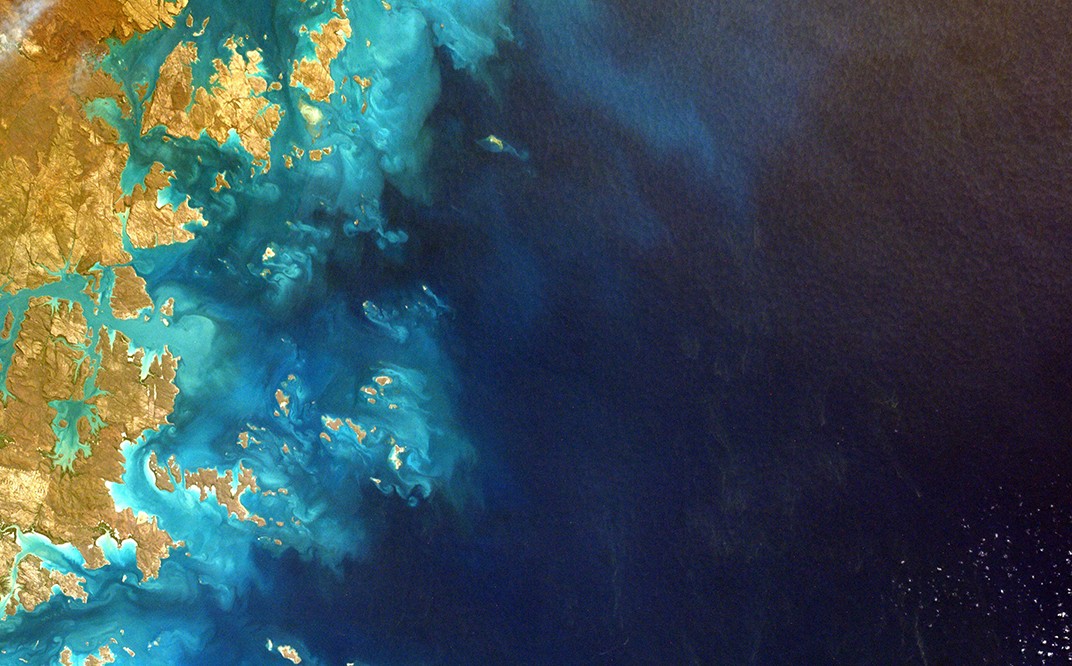
97% of the water on Earth consists of saltwater. More than 99% of the remaining part is groundwater or glaciers. Less than 1% of freshwater is found in lakes, rivers, and other surface forms. A significant portion of living things are dependent on this freshwater. Viewed on a global scale, Earth can be considered a planet covered with water. However, in terms of quality, the required freshwater constitutes only 0.01% of the total amount of water.
What Is the Importance of the Water Cycle in Sustainability?
The water cycle is an indispensable process for a sustainable environment and, consequently, the continuation of life. Overuse and misuse can lead to a decrease in water resources over time and harm many freshwater ecosystems on earth.
Irregular precipitation brings along many environmental problems such as water scarcity, floods, and drought. Therefore, when viewed from a sustainability perspective, the importance of the water cycle becomes even more evident.
We can list the important effects of the water cycle on earth as follows:
Freshwater Resources: The water cycle ensures the continuous replenishment of freshwater resources. Precipitation helps feed lakes, rivers, and groundwater. This cycle allows the amount of usable water for living things to be preserved. For a sustainable water cycle, the movements of water must continue uninterruptedly.
Climate: Temperature changes and the regulation of global and local climates are closely related to the water cycle. The movement of water plays an important role in regulating the climates on the planet. While evaporating, water cools the surrounding area by taking the energy around it. While condensing, on the contrary, it begins to warm the surrounding area by releasing this energy. These changing heat movements can leave major impacts on climates.
Ecosystem and Biodiversity: The water cycle also plays a critical role in the continuity of the ecosystem. Changes in the water cycle can cause biodiversity to decrease over time depending on the overheating or cooling of the ecosystem. For example, some studies have shown that there is a 20% decrease in the productivity of salmon due to their inability to adapt to new temperatures. As a result, it has been observed that the lives of other species feeding on salmon are also threatened. Therefore, sufficient water supply and balanced heat levels are important factors in the functioning of ecosystems and the protection of habitats of species.
Health of Living Things: An average of 65-75% of all living things (varying depending on their structural characteristics) consists of water. Therefore, the presence of water is important for the continuation of vital functions. With the disruption of the processes in the water cycle, water pollution and consequently various health problems may arise.
Agriculture and Food Security: Sustainable management of water resources is also of critical importance for the continuity of agricultural production. Because the continuity of agriculture depends entirely on water. The water cycle supports the regular irrigation of agricultural lands and the productive growth of plants. Therefore, regular precipitation increases the productivity of agricultural products, allowing the continuity of food supply.
Energy Production: Hydroelectric energy production, which has become widespread today, also has a process dependent on the water cycle. The regular flow of water in rivers allows power plants to operate efficiently. Additionally, the water cycle contributes to the support of other renewable energy sources.
The sustainability of the water cycle covers an extremely wide area ranging from the protection of ecosystems to the sustainability of human activities. Accordingly, ensuring the continuity of the water cycle ensures both meeting today's needs and protecting the quality of life of future generations.
What Are the Negative Impacts of Human Activities on the Water Cycle?
The negative impacts of human activities on the water cycle and the ecosystem are quite significant. These impacts can cause major changes ranging from the quality to the quantity of water.
We can list some of the human activities that cause negative impacts on the water cycle and the situations they cause as follows:
Increasing Urbanization: The problem of rapid and unplanned urbanization creates many negative impacts on water resources. Due to the destruction of forests and natural vegetation, there are decreases in the absorption of water by the soil. For example, urbanization prevents water from infiltrating underground by affecting natural waterways. Surface runoff increases, leading to flood risks. Besides, along with expanding cities, an increase in demand for freshwater is also observed. These intense demands, which cannot be met by existing resources, cause large amounts of water to be drawn from rivers and groundwater. This situation puts ecosystems in danger and paves the way for water scarcity.
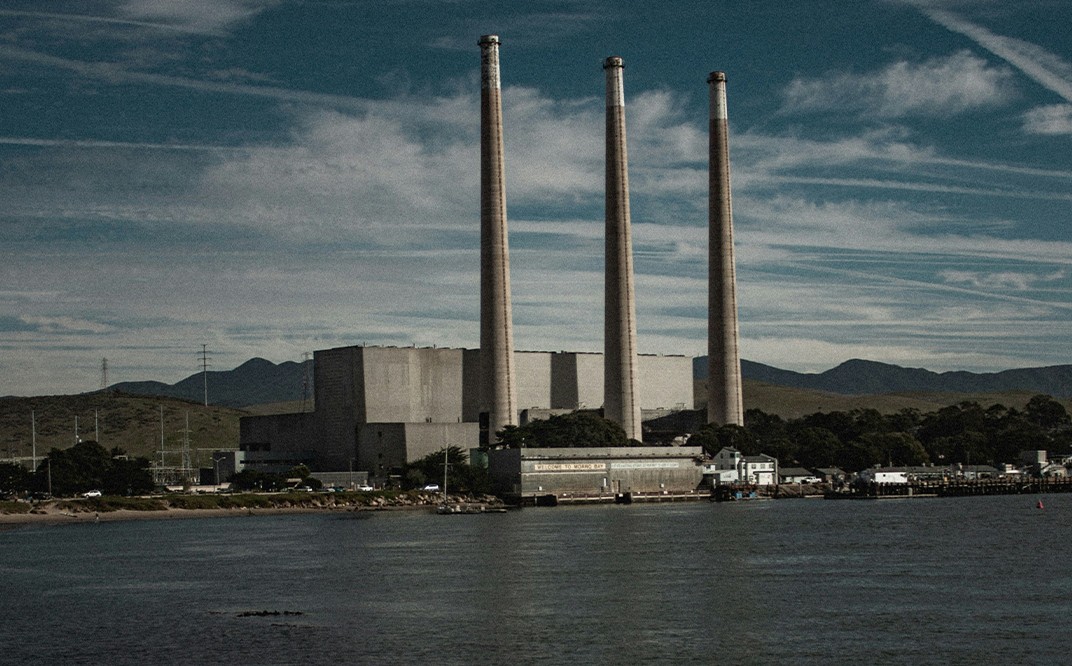
Industrial Pollution: Factories can cause serious damage to ecosystems by releasing wastewater into nature without treating it and by consuming excess water.
Use of Harmful Chemicals in Agriculture: Harmful substances such as chemicals, artificial fertilizers, and pesticides used in agriculture can cause great damage to water sources. The increase in the amount of polluted water leads to both a decrease in the quality of drinking water that living things need to survive and a reduction in general biodiversity.
Greenhouse Gases: Greenhouse gases resulting from human activities can cause climate changes. This is also an important factor that can negatively affect the water cycle. Such climate and temperature changes make the sustainable management of water resources difficult.
Large Water Storage Areas: Storing water in certain areas through dams and similar water storage structures is among the situations that negatively affect the natural water cycle. These areas alter the natural flow of large or small water bodies, block fish migrations, and cause droughts. Additionally, the stored water is also lost through evaporation.
What Can Be Done to Make the Water Cycle Sustainable?
The sustainability of the water cycle is essential for maintaining life on the planet in a healthy way. It is possible to ensure the healthy continuation of the cycle with certain methods that will protect water and various strategies. We can examine the steps that can be taken at individual and societal levels for the sustainability of the water cycle in detail.
Sustainability of the Water Cycle: Individual Measures
Ensuring the sustainability of the water cycle is of great importance for protecting natural resources and transferring them to the future in a healthy way. With measures that can be taken individually, both water conservation can be achieved and contribution can be made to reducing water pollution.
Some of the individual measures that can be taken to ensure the sustainability of the water cycle are as follows:
Savings in Water Consumption: For more efficient conservation of natural resources, each individual can support water conservation by reducing the daily amount of water they use. Small changes such as paying attention to water flowing in vain while brushing teeth or shaving, washing dishes and laundry in machines rather than by hand, keeping shower times shorter, and expanding the use of water-saving showerheads and photocell faucets can create major impacts when spread across the entire society.
Rainwater Harvesting: Rainwater harvesting is one of the most efficient ways to use natural resources. Individuals can collect rainwater by installing rain barrels in the gardens or terraces of their homes and choose to use this water when needed. This collected rainwater can be used for watering plants and gardens in homes or offices, and in cleaning works to save water.
Widespread Use of Smart Irrigation Systems: During garden watering, a large portion of water resources is usually used inefficiently. Smart irrigation systems help to irrigate according to the needs of plants by monitoring weather conditions and soil moisture. Thanks to these systems, unnecessary water use can be prevented to a great extent.
Use of Natural Cleaning Products: When wastes such as chemical products and waste oils are released unconsciously into nature, they can cause serious damage to the water cycle. Therefore, water pollution can be reduced by choosing the use of chemical-free, biodegradable, and eco-friendly natural cleaning products in homes.
Repairing Leaking Faucets and Pipes: Individuals can have plumbing checks done regularly in their homes and workplaces to prevent water loss. Thus, they can notice water leaks quickly and have them repaired.
Sustainability of the Water Cycle: Societal Measures
Societal efforts play a major role in protecting water resources, optimizing water use, and keeping the water cycle in balance. Water conservation can be achieved more effectively with societal cooperation and conscious actions, as well as individual measures that can be taken.
Some of the societal measures that can be taken to ensure the sustainability of the water cycle are as follows:
Education Programs: Training can be organized to develop individuals' environmental awareness, and awareness about the importance of water conservation can be raised. Societal consciousness can be created by organizing educational programs aimed at the efficient use and protection of water resources. Thus, society can make conscious choices that can contribute to the protection of water resources and ecological balance for a sustainable future.
Water Treatment Facilities: Wastewater treatment facilities can be thought of as recovery systems. These facilities ensure the collection and treatment of water used by humans and wastewater resulting from industrial activities. Thus, this water is made suitable for reuse. Efforts can be made to increase the number of such modern water treatment facilities that improve water quality and ensure the reuse of wastewater. In this way, both the consumption of natural resources and water usage costs can be reduced over time.
Efficient Irrigation Techniques: Farmers can be directed to water-saving irrigation methods such as drip irrigation and automatic irrigation systems or encouraged to use technological products like moisture sensors. Additionally, studies carried out for systems that can enable the reuse of treated water coming from showers and sinks, called gray water, in agricultural areas can also be expanded.
Infrastructure Projects: Regular maintenance and follow-up work regarding leaks and water losses in water networks can be carried out. For example, Adrian McDonald, a professor of environmental management at the University of Leeds, argues that repairing leaking water pipes as quickly as possible is one of the cheapest and most effective methods for water conservation. Thanks to regular follow-ups, water losses can be minimized with quick interventions that can be made to pipes in case of any trouble.
Protection of Forests and Natural Areas: Protecting forests and natural areas and increasing these areas is the easiest, most natural, and economical way to reach clean water. Therefore, innovative strategies can be developed to increase the water-holding capacities of forests and other natural areas.
Saving Water Meters: The amount of water used can be measured by installing saving water meters in homes and workplaces. Thus, in case of water consumption exceeding normal levels, necessary warnings can be given to keep water consumption under control.
Water Basins: Water basins support the longer-term use of existing water by protecting water resources. Therefore, increasing water basins and protecting existing ones is an important issue for the sustainability of the water cycle. Additionally, water basins help release accumulated waters into the soil in a more balanced and slow manner by reducing the risk of floods that may occur in case of rain and snow water accumulation.
In addition to individual and societal efforts, it can be ensured that the water cycle continues healthily with steps to be taken in the industrial field. In this sense, water efficiency can be achieved through the use of technological innovations, recycling, and reuse; water pollution can be prevented through waste management, clean production techniques, and compliance with environmental standards; and management of sustainable water resources can be carried out through risk assessment and management planning.
As QuickCarbon, we see the importance of water for our planet and guide those who want to join the environmental sustainability journey. We calculate the Corporate Carbon Footprints of institutions according to the ISO 14064-1:2018 Standard and the GHG Protocol without requiring any consulting services, and enable their reporting. Thus, we guide the strong steps they will take in terms of environmental sustainability.
You can also contact us to optimize your resource management, reduce your costs, and reach your sustainability goals more easily. While improving your environmental performance, you can take important steps for the sustainability of the water cycle.
Get Started Now
Get in touch with us to get to know QuickCarbon better and to see how it can add value to your processes.
Contact Us