
Go Back
What is Carbon Emission?
Carbon emissions are at the heart of many environmental problems, such as climate change and global warming. Increasingly higher amounts of carbon dioxide in the atmosphere due to human activities disrupt the balance of nature, bringing together serious ecological problems. Let us examine the details of what needs to be known about carbon emissions, which have been one of the most prominent environmental issues for several decades.
Carbon as a Natural Element and Carbon Emissions
Carbon is a naturally occurring element on the planet that is vital to life. Found everywhere from the structure of organisms to the air breathed and food consumed, carbon is one of the fundamental building blocks of life on Earth.
Carbon emission refers to the release of carbon from nature into the atmosphere in the form of carbon dioxide (CO2). Carbon dioxide, which is present at a certain level in nature, accumulates in the atmosphere, often as a result of human activities, and can cause dangerous situations.
What are the Environmental Impacts of Carbon Emissions?
Among the greenhouse gases that cause many negative environmental conditions, carbon dioxide has the largest share with a rate of 74.4%. This is followed by methane gas at 17.3%. The rest consists of gases such as nitrous oxide, sulfur hexafluoride, hydrofluorocarbon, and perfluorocarbon. All of these gases create a greenhouse effect, causing environmental damage worldwide. The negative impacts of carbon emissions need to be evaluated separately under different headings.
Global Warming and Climate Change
Carbon emissions evolve into dangerous proportions as various greenhouse gases increase in the atmosphere. Carbon dioxide, however, is the most common greenhouse gas in carbon emissions, accumulating in the atmosphere and creating a greenhouse effect. The greenhouse effect refers to the trapping of solar rays coming to Earth within the planet due to greenhouse gases. In the following processes, this causes the atmosphere to warm up. Consequently, environmental problems such as global warming and climate change emerge.
Heatwaves
Carbon emissions, which cause the planet to warm up, lead to more frequent heatwaves and severe storms. Heatwaves cause adversities in many areas, from agriculture to ecosystems, human health, and forest fires.
Sea Level
The rise in the planet's temperature causes glaciers to melt and ocean waters to warm. This leads to rising sea levels. The rise in sea levels causes natural disasters such as erosion and flooding.
Ecosystem Change
As a result of the warming caused by carbon emissions, vegetation, ecosystems, and natural habitats also begin to change. This causes species to migrate to different regions and even leads to the extinction of some species.
Ocean Release
Carbon dioxide accumulating in the atmosphere is absorbed by the oceans. This causes carbonic acid to form in the oceans. This process leads to ocean acidification, disrupting underwater ecosystems. While acidification threatens the lives of many aquatic organisms, it also endangers biological diversity in the oceans.
Health Issues
Carbon emissions risk the lives of many organisms by causing air, water, and soil pollution. It causes respiratory ailments, cancer, and cardiovascular diseases to be seen more frequently, especially in humans. While this environmental pollution creates many health problems, it also significantly lowers the quality of life.
What are the Causes of Carbon Emissions?
The environmental damage of carbon emissions emerges as a result of modern life and human activities. We can address the situations that trigger carbon emissions under different headings.
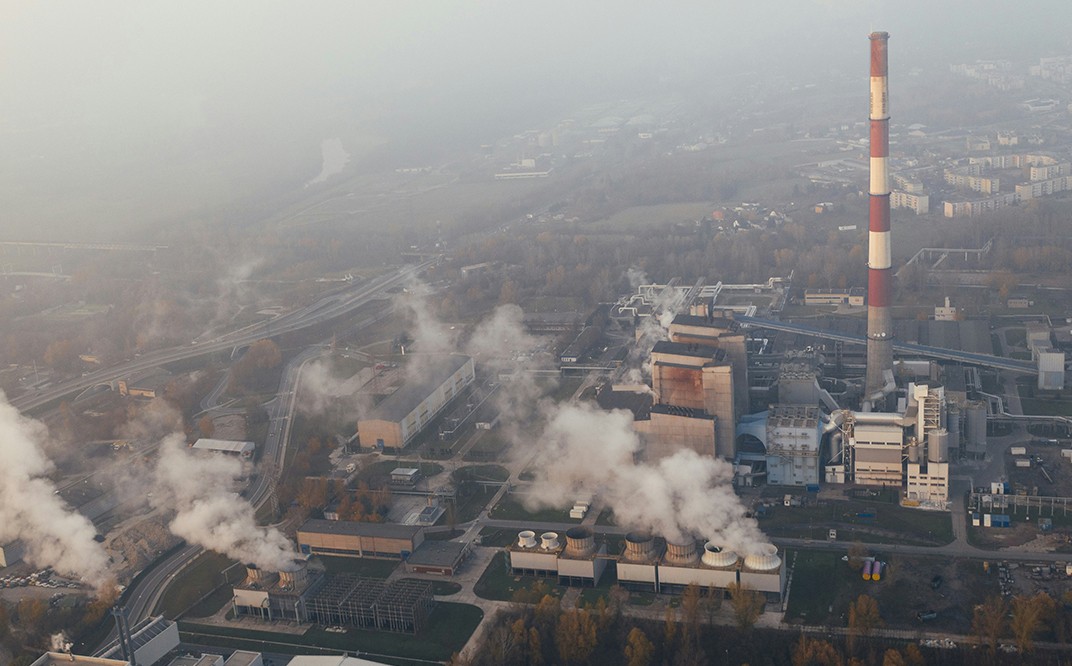
Fossil Fuel Use
Fossil fuels, consisting of carbon compounds such as natural gas, coal, and oil, whose use has increased since the industrial revolution, raise the concentration of carbon dioxide in the atmosphere. For example, coal meets approximately 37% of the planet's electricity needs.
Population Growth
Depending on uncontrolled population growth, the need for energy also begins to rise. Along with the increasing population, energy sources like fossil fuels are consumed more, resulting in more carbon dioxide emissions into the atmosphere. At the same time, the amount of carbon dioxide released as a result of organism activities increases with the population, causing the natural balance to be disrupted.
Industrial Activities
Production facilities and factories make heavy greenhouse gas emissions because of the fossil fuels they use to meet their energy needs. Particularly cement and plastic manufacturing are among the activities that can cause great harm to this process.
Transportation
After electricity generation, the sector that emits the most greenhouse gases is transportation. Motor vehicles requiring fossil fuel use cause high levels of carbon dioxide to be emitted into the environment. The increasing number of vehicles, both in public transportation and individual use, continues to increase carbon emissions day by day.
Deforestation
Forests help maintain the balance in nature by absorbing excess carbon dioxide in the atmosphere. However, reasons such as cutting down forests for industrial activities, destroying them to expand agricultural land, or forest fires caused by carelessness cause serious damage to this balance.
Agricultural Practices
Agricultural practices account for 25% of greenhouse gases released into the environment. Due to unintentional irrigation and soil tillage practices, large amounts of carbon dioxide are released from the soil. Particularly livestock farming, rice farming, and paddy fields cause high levels of methane gas emissions into the atmosphere.
Waste
Places such as landfills and waste incineration facilities cause large amounts of methane gas emissions to be released into the atmosphere.
Which Countries Emit the Most Carbon?
According to Global Carbon Project (GCP) data, in 2020, total carbon emissions in the world were 34 billion 810 million tons. Half of these carbon emissions into the atmosphere belong to China, America, and India. These countries release high levels of greenhouse gases in their energy consumption and industrial activities due to their growing economies and rapidly developing industrialization.

What Can Be Done to Prevent Carbon Emissions?
According to research, a 130% increase in carbon emissions is expected in 2050. Therefore, taking the necessary precautions rapidly is crucial to reduce the negative environmental impacts that carbon emissions could create. In order to reduce carbon emissions, some steps must be taken individually, socially, locally, and globally.
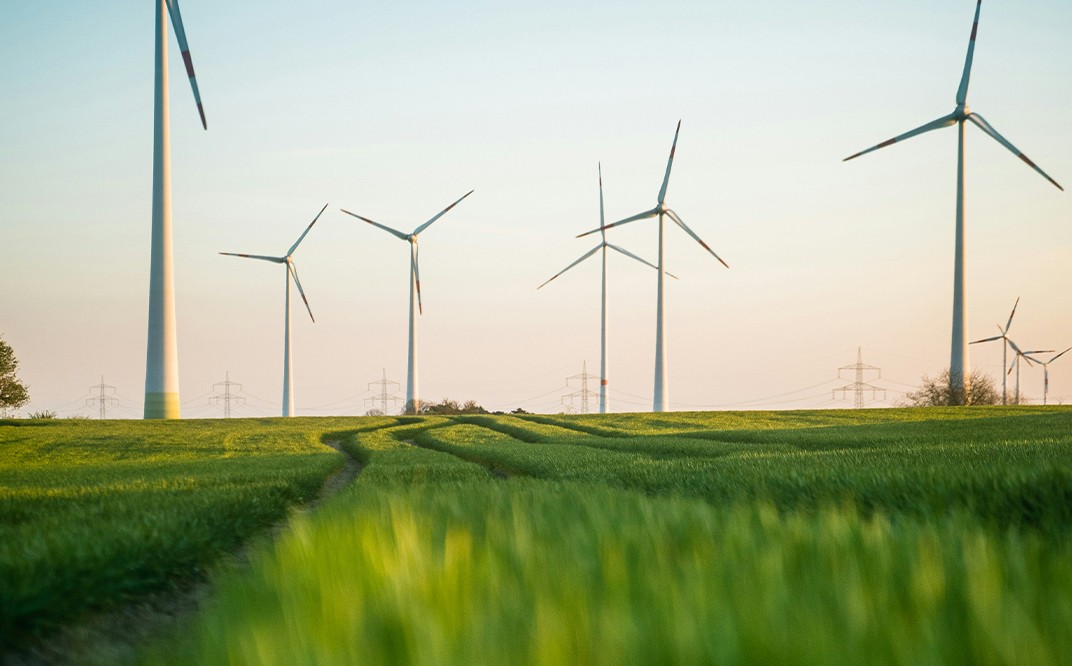
Transition to Sustainable Energy
Increasing renewable energy capacity by reducing dependence on fossil fuels is one of the biggest steps that can be taken to reduce carbon emissions. Creating a global awareness about the use of renewable energy sources such as solar, wind, hydroelectric, and geothermal can enable these energy sources to become widespread, contributing to the reduction of greenhouse gas emissions. In addition, clean energy sources can be supported by scaling up suitable solar panels and domestic wind turbines for homes with individual initiatives.
Conscious Afforestation
Activities such as preserving forested areas and supporting afforestation projects can help reduce carbon emissions. It is highly important that afforestation practices are carried out in a way that respects the natural vegetation of the regions.
Recycling
With investments and various studies that can be done to improve waste management processes, the reduction of greenhouse gases can be supported. Training can be organized to enable individuals, institutions, and governments to act more sensitively about recycling. Incentives can be given to recycle reusable waste such as paper, glass, bottles, and metals. Thus, by reducing the raw material need and the amount of energy spent in manufacturing these products, sustainability can be contributed.
Public Transportation and Hybrid Vehicles
Transportation is among the activities that cause the most carbon emissions. Opting for public transportation alternatives in road transport and reducing the number of individual vehicles in traffic allows for energy savings. Besides, individuals can contribute to energy saving by preferring to use electric or hybrid vehicles instead of motor vehicles. Vehicles running on electrical energy help reduce carbon emissions since they can renew their energy without needing fossil fuels.
Passenger Transport
The 2020 Transport and Environment Report (TERM) indicates that railway transport is one of the most environmentally friendly travel alternatives. Rail transport emits much lower amounts of carbon compared to air transport. For more sustainable transport, individuals preferring to travel by train instead of planes is of great importance for reducing greenhouse gas emissions.
Local Food Consumption
Choosing seasonal and locally produced food items allows for the reduction of fossil fuel use required for international transportation. Thus, carbon emissions can also be significantly reduced.
Insulated Buildings
Insulating buildings with correct methods and environmentally friendly materials is another step that can be taken to reduce carbon emissions. Thus, the temperature level within homes and workplaces is maintained, requiring less energy for heating.
Carbon Tax
The carbon tax, which has started to be implemented at different levels in various countries as of the early 2000s, is a policy applied to reduce greenhouse gas emissions. Taxation is determined based on the rate of carbon dioxide and greenhouse gases released into the atmosphere by factories and production facilities using fossil fuels. The carbon tax encourages individuals to turn to sustainable energy sources by increasing the cost of carbon emissions.
Dietary Habits
The livestock sector creates high amounts of greenhouse gas emissions due to activities such as forest destruction, energy consumption, and waste production. Stages like feed production, meat processing, and their transport in this sector require high rates of fossil fuel use. At the same time, high amounts of methane gas emissions occur from the digestive and excretory systems of animals.
Such situations cause serious damage to the environment. Animal fertilizers also cause the spread of different greenhouse gases, such as methane gas and nitrous oxide. Greenhouse gas emissions released as a result of used fertilizers account for approximately 7% of the rate in the atmosphere. These gases remain in the atmosphere for a long time, causing the Earth to warm up more. According to a study conducted by researchers at Oxford University, every individual can reduce their personal carbon footprint by 73% by switching to a vegetarian diet.
As QuickCarbon, we are aware of the damage carbon emissions cause to our planet. Therefore, we calculate and present reports of corporate Corporate Carbon Footprints in accordance with the ISO 14064-1:2018 Standard and GHG Protocol, without requiring any consulting services. If you also want to take a step for a sustainable and healthier future, you can start by learning your corporate carbon footprint.

Get Started Now
Get in touch with us to get to know QuickCarbon better and to see how it can add value to your processes.
Contact Us