
Go Back
What You Need to Know About Non-Renewable Energy Sources
Non-renewable energy sources, also known as fossil fuels, have formed as a result of certain processes spanning long years and are limited. These sources, which support human life and industrial development, also create serious environmental and economic consequences. It is necessary to address in detail what these sources are, the short and long-term impacts they create, the future of non-renewable energy, and whether transitioning to sustainable energy policies is possible.
What Are Non-Renewable Energy Sources?
Although non-renewable energy sources are important resources that meet our energy needs, they are limited. At the same time, their potential to harm the environment prevents them from being sustainable options. Recognizing non-renewable energy sources is important in order to understand their environmental impacts. These sources need to be divided into two, namely fossil fuels and nuclear energy, and categorized within themselves.
Fossil Fuels
Fossil fuels are obtained from fossilized plants and animals and therefore take extremely long years to form. They cause serious damage to the environment during their production and usage phases.
Coal
Coal, a black-colored sedimentary rock, contains high amounts of carbon and hydrocarbons. Since its formation takes millions of years, it is considered a non-renewable energy source. As layers of soil and rock covered plants, heat and pressure were generated, and this heat and pressure turned the plants into coal.
Coal is examined in four classes: anthracite, bituminous, subbituminous coal, and lignite. Among these, anthracite is the type of coal with the highest carbon value, with its carbon content varying between 86-97%. The type of coal with the lowest carbon value and therefore the lowest energy content is lignite, with a carbon content ranging between 25% and 35%. This is because lignite deposits are relatively young and have not been subjected to extreme heat or pressure.
An fossil fuel, coal is widely used in electricity generation, industrial heating, and household heating. With its large reserves and high energy density, it was used as one of the most popular energy sources for many years. However, it is not a sustainable energy source due to both high carbon emissions and the negative environmental impacts of coal mining.
Petroleum
Petroleum is hydrocarbon residue formed by marine plants and animals being covered with sand and rock remains over millions of years. As a result of the heat and pressure generated by the sand and rock remains, the energy source we call petroleum today was formed. Petroleum, which exists in liquid or gas form in underground pools or reservoirs, is obtained from crevices in sedimentary rocks or tar sands near the surface.
The petroleum extracted to the surface is processed in refineries and turned into products used in daily life and industry. Vehicle fuels like gasoline or diesel, chemical products like plastics and similar, and industrial products like asphalt are made from petroleum. In addition, petroleum is used in electricity generation and agricultural chemicals such as pesticides.
It is considered one of the most important types of energy sources due to its high energy density, being a vehicle fuel, and its widespread use in industrial applications. Damaging marine ecosystems due to spills, causing environmental pollution, and having high carbon emissions are among the main negative impacts of this resource. Reducing petroleum consumption contributes to both reducing carbon emissions and increasing environmental sustainability.
Natural Gas
Natural gas is a fossil fuel containing methane. Methane contains one carbon and four hydrogen atoms (CH4). Natural gas, which accumulates both on the land surface and ocean floors, was formed as a result of plant and animal remains being covered with soil, siltstone, and calcium carbonate. Actually, the formation process is the same as petroleum and coal. Although natural gas is a colorless, odorless, and tasteless energy source, energy companies try to facilitate the detection of natural gas leaks by adding a scented and harmless chemical to this gas. Approximately 22% of the world's energy is met by natural gas.
Natural gas is considered a cleaner fossil fuel when compared to petroleum and coal. This is because its carbon emission is lower compared to petroleum and coal. Still, activities conducted to extract natural gas cause air pollution. Construction works carried out at the point where the wells will be opened can lead to land degradation, resulting in erosion, habitat damage, and disruption of local ecosystem functioning. In addition, natural gas extraction activities can cause pollution of both underground and surface waters.
Nuclear Energy
Nuclear energy is generated from the atomic nucleus as a result of nuclear reactions called fission and fusion. In the fission (splitting) method, a heavy atomic nucleus is bombarded with neutrons using uranium and plutonium elements, thereby releasing energy. In the fusion (combining) method, two light atomic nuclei combine with high pressure and heat generated by deuterium and tritium elements, releasing energy.
Nuclear energy can be considered an important energy source in the future. This is because its energy efficiency is high, continuous energy production can be achieved, and it has a much lower carbon emission compared to fossil fuels. Still, it cannot be denied that nuclear energy brings along very serious risks.
Nuclear energy is produced in nuclear reactors. However, radioactive wastes generated as a result of fission reactions have extremely negative impacts on ecosystems, biodiversity, and human health. Storing these wastes for a long period and safely disposing of them are challenging processes. Moreover, the risk of nuclear boilers exploding is always present. High construction and operating costs also distance nuclear energy from being a sustainable energy source.
In addition to this, uranium used as fuel does not self-renew. This makes nuclear energy one of the non-renewable energy sources. In spite of all these negativities, it is also possible to see nuclear energy evaluated as a clean and even renewable energy source in some sources. To see it evaluated as such is due to it being zero-emission and requiring an extremely small amount of uranium.
Environmental Impacts of Non-Renewable Energy Sources
The reason why interest in renewable energy sources has increased for many years and new energy sources are constantly being sought is not only that non-renewable energy sources are running out. It is also because these sources have very serious environmental damages. If the use of non-renewable energy sources is stopped, an important step will have been taken to overcome environmental problems. When the environmental impacts of non-renewable energy sources are analyzed, the situation can be seen more clearly.
Climate Change
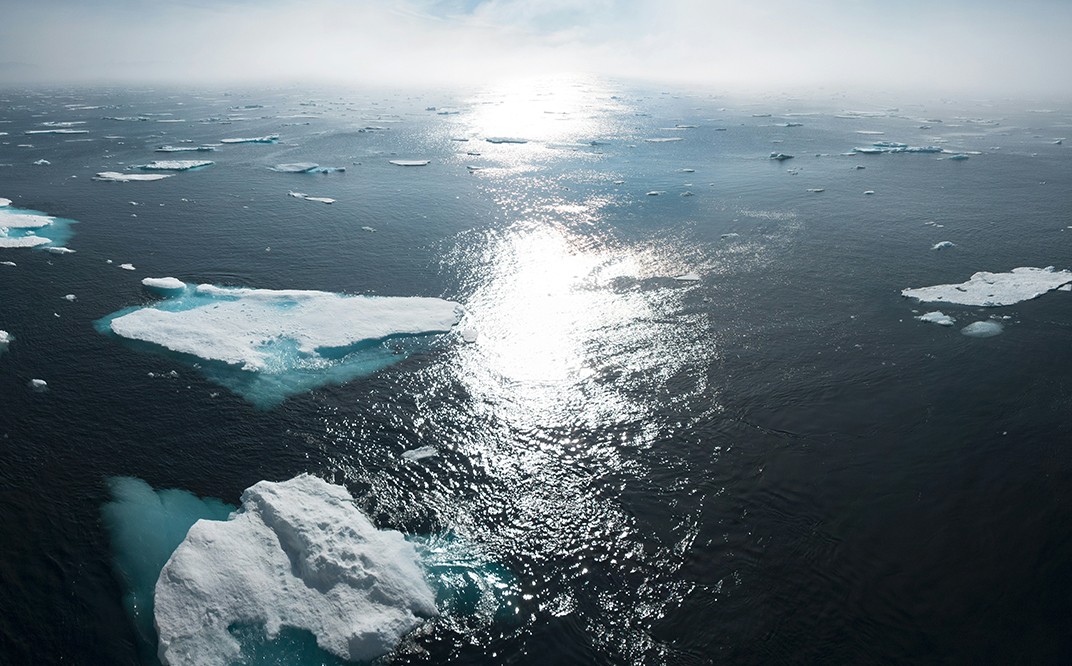
Approximately 80% of the energy needs in the world are met by fossil fuels. The reason for 66% of the carbon emission in the world is also fossil fuels.
The temperature of the world has shown an increase of 1 degree compared to approximately 200 years ago. If the use of fossil fuels continues at the same pace, it is estimated that a temperature increase of 1.5 to 2 degrees may also occur. This will lead to very serious negative impacts on both ecosystems and biodiversity.
Oil Spills
Oil spills are an important threat to both land and marine life. With oil spills, marine life and aquatic ecosystems can suffer serious damage. Pollution of coastal areas and biodiversity loss can lead to the disappearance of income sources such as tourism and fishing.
In addition, heavy metals such as lead and mercury also negatively affect human health. For example, with the Deepwater Horizon disaster that occurred in the Gulf of Mexico in 2010, 4 million barrels of oil spilled into the Gulf of Mexico. Ecosystems in this region were affected long-term, and income sources such as fishing and tourism were severely disrupted.
Radioactive Waste
It is not possible to recycle radioactive waste produced by nuclear reactors in any way. These radioactive wastes, which can produce radioactivity for hundreds of years, must be stored very safely. The disasters that occurred in Chernobyl and Fukushima in past years dramatically demonstrated the consequences that radioactivity can cause.
Acid Rain
Acid rain is a common result of air pollution. Pollutant substances emitted into the atmosphere due to industrial activities, vehicles, or heating systems used in homes react here with water vapor, oxygen, and other substances to form acids such as sulfuric acid or nitric acid.
Later, these acids return to the earth as rain or dust. Consequently, the soil becomes acidic, preventing plants from growing healthily. The pH level of lakes, rivers, and seas drops, and aquatic ecosystems suffer. Since the photosynthesis process will be negatively affected, forest health deteriorates.
Deterioration of Human Health
Air, water, and soil pollution occur in the extraction, processing, and consumption processes of non-renewable energy sources. This leads to consequences that negatively affect human health.
Some of the negative effects of non-renewable energy sources on human health are as follows:
Respiratory diseases such as asthma, bronchitis, COPD, and lung cancer due to substances like particulate matter, sulfur dioxide, nitrogen oxides, carbon monoxide, and ozone,
Cancer, neurological disorders, and kidney diseases due to heavy metals and chemicals,
Cancer, genetic mutations, and birth defects due to radioactive waste,
Deaths due to extreme weather events experienced because of global warming,
Respiratory problems, cardiovascular diseases, lung diseases, and an increase in allergic reactions due to deterioration in air quality,
Psychological disorders similar to trauma and depression due to oil spills and nuclear accidents.
Considering all these effects of non-renewable energy sources, the need for renewable, clean energy sources can be clearly seen.
Can We Transition Completely to Renewable Energy Sources?
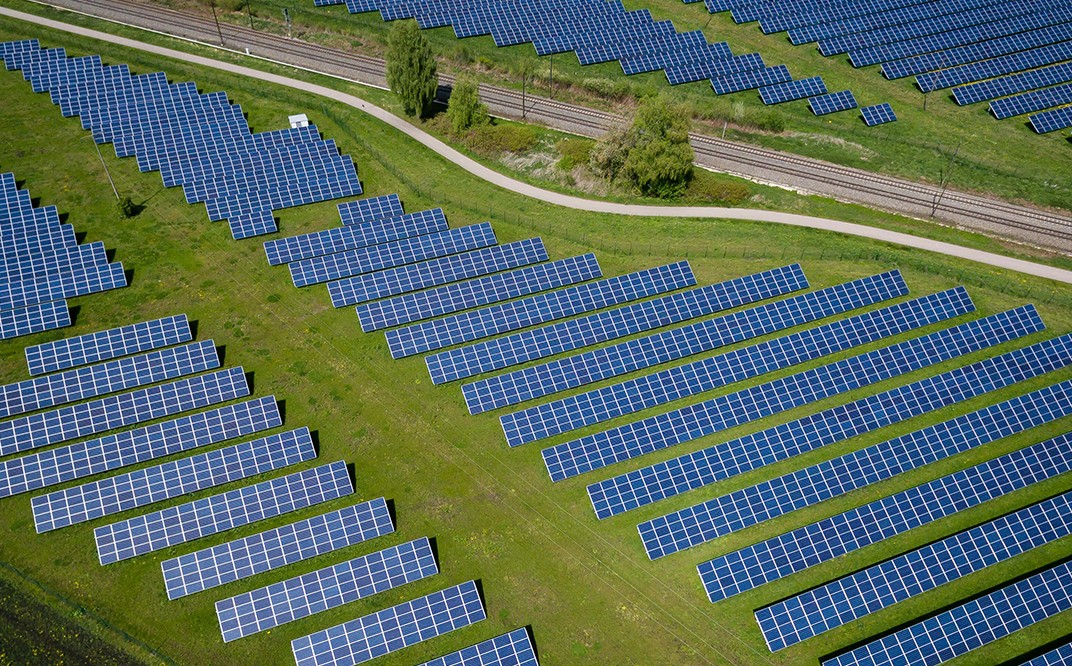
A study conducted jointly by EWG (Energy Watch Group), a non-profit organization in Germany, and LUT University in Finland revealed that a 100% transition to renewable energy sources is possible by 2050 in areas such as electricity, transport, heat, and water sanitation. Moreover, in a much more efficient and cost-effective way compared to fossil fuels.
The report stated that the transition of carbon-based energy sources to renewable energy sources in the power and heat sectors is possible by 2030, and a transition to a fully carbon-neutral system for transport is possible by 2050. According to the same report, solar and wind energy will lead the transition to renewable energy sources. Although solar energy creates a large field in terms of employment, it is estimated that renewable global energy systems will generate a local employment of 35 million.
Renewable Energy Sources: Zero Carbon Emissions
The dark side of non-renewable energy sources, which pollute the air, water, and soil we owe our lives to, can be noticed much more clearly today. The active use of these resources weakens the possibility of leaving a healthy world to future generations. However, it is possible to reduce carbon emissions and create a much more livable world with the energy of wind, sun, and water.
You too can take a step right now to live in a more sustainable world and leave a livable planet for future generations. Thanks to the user-friendly software we offer as QuickCarbon, you do not need consultancy services. You can report your corporate footprint according to the ISO 14064-1:2018 Standard and GHG Protocol. Based on the data you obtain, you can develop carbon-neutral strategies for your organization.

Get Started Now
Get in touch with us to get to know QuickCarbon better and to see how it can add value to your processes.
Contact Us