Go Back
Green Building Rating System: LEED Certification
Green buildings are of vital importance for the future of our planet, as they are constructed with goals such as protecting natural resources, ensuring energy efficiency, and minimizing environmental impacts. Today, there are rating systems developed to evaluate and certify the sustainability of buildings. One of these, the globally accepted Leed Certificate, is also the most widely used rating system in Turkey. So, what is the Leed Certificate and how do you get it?
What is the Leed Certificate?
Leed (Leadership in Energy and Environmental Design) is a green building rating system that is widely used and has become a standard worldwide. Developed by the USGBC (U.S. Green Building Council), the Leed Certificate has gained worldwide acceptance over time. This certificate is tailored for various building types and is an important symbol of sustainability. It evaluates and rates buildings based on factors such as water and energy efficiency, cost savings, material quality, health, and environmental impacts.
Leed criteria evaluate buildings not only on factors like construction and indoor quality, but also on factors like operation and maintenance. Since these criteria are constantly updated, current criteria must be monitored and integrated into projects to obtain a green building certificate.
The Leed Certificate encourages the minimization of environmental impact. Properties with this certification have a higher return on investment and facilitate the marketing process by creating brand value. It is also considered an environmentally friendly approach as it supports the sustainable use of resources. Indeed, it is of vital importance in terms of protecting the planet and leaving a livable world for future generations.
What Are the Levels of the Leed Certificate?
The Leed Certificate consists of 4 levels: Certified, Silver, Gold, and Platinum. Let's briefly look at the score equivalents and details of these levels:
Leed Certified: This certificate is awarded to buildings with a score range of 40-49. Receiving the certified level means that the building meets the core LEED criteria and is fundamentally committed to sustainability. The project has taken the necessary first steps to minimize negative environmental impacts.
Leed Silver: This certificate is obtained by buildings with a score range of 50-59. Buildings that receive this certificate have shown a moderate level of success in areas such as water efficiency, water health, and energy efficiency. It indicates that the project goes beyond basic measures, integrates sustainable practices, and has a significant commitment to environmental management. The buildings contribute to reducing the carbon footprint.
Leed Gold: Awarded to buildings with a score range of 60-79. Buildings that receive this certificate are nearly perfect in terms of sustainability because best practices in sustainability have been comprehensively adopted in the project. Energy savings have been achieved, water use has been reduced, and indoor air quality has been improved with innovative designs. Projects that receive the Leed Gold certificate can be shown as examples to other buildings in terms of sustainability.
Leed Platinum: The highest certificate level, Leed Platinum, is awarded to projects that score 80 and above. This means that the latest, most advanced green building technologies and practices are used in the project. Energy efficiency is at the highest level in certified buildings. Water use and carbon emissions are minimized. In addition, the health and well-being of the people living in these buildings are guaranteed. In addition to reducing negative environmental impacts, gold-certified projects also set new standards for sustainability and green building design. Thus, they inspire others to achieve excellence in green buildings.
All projects can apply for a Leed Certificate as long as they meet the minimum required conditions. The criteria used for the rating system are divided into various categories, and each category is scored differently. Location and transportation, water efficiency, sustainable sites, regional priority, innovation, materials and resources, energy and atmosphere, and indoor environmental quality constitute the main categories.
If buildings continue to meet the conditions required for a higher certificate over time, their scores can be increased. For example, a project that has received a basic certification can upgrade to silver certification or higher levels thanks to the improvements it carries out.
What Are the Requirements to Get a Leed Certificate?
The more perfectly the Leed Certificate requirements set by the USGBC are met, the higher the score the building will receive. Some of the requirements that must be followed in projects can be listed as follows:
A sustainable site must be selected. In this context, preventing soil erosion and minimizing construction-related pollution is a prerequisite.
Care must be taken to protect ecological systems and natural areas.
In order to help protect water resources, steps such as returning wastewater to nature through recycling, increasing purification techniques, and reducing water consumption must be taken.
Energy savings must be achieved both in terms of design and the systems used.
Materials should cause minimum damage to the environment both during use and sourcing. Additionally, these materials should be recyclable when they reach the end of their life cycle.
Indoor air quality should be improved with fresh air circulation.
Innovative technologies must be used, and negative environmental impacts must be reduced with design solutions committed to sustainability principles.
The rating system is constantly updated, and as of 2025, the USGBC plans to publish the new framework, named Leed v5. You can follow the updated requirements on the official website of the USGBC.
How to Apply for a Leed Certificate?
To apply for a Leed Certificate, you first need to know the rating system appropriate for the building. Some of these rating systems are:
LEED BD+C: Covers building design and construction. It is suitable for buildings that are newly constructed or majorly redesigned.
LEED O+M: Covers building operation and maintenance. It can be applied to improve water, energy, and material efficiency and to enhance indoor air quality in previously constructed buildings.
LEED ID+C: Covers interior design and construction. It can be applied during the process of designing the interiors of commercial buildings in accordance with sustainability principles. It also includes hospitality and retail applications.
LEED ND: Includes residential or non-residential uses, new land development projects, or a mix of these. The project to be applied for can be in any stage of the development process, such as planning or construction.
LEED Homes: Suitable for single-family homes as well as multi-family low or mid-rise buildings.
After determining the appropriate rating system for your project, you can carry out your application process through the official website of the USGBC. Preparing the requested documents completely and uploading them to the system is of critical importance for the successful conclusion of the application process. At this point;
First of all, credit data is uploaded to the Leed system for evaluation.
After a certain period, a report is prepared by the evaluation unit and the scores are revealed.
When necessary, questions regarding the details of the project may be asked. Once all questions are answered, the project is either given a score with which it can obtain the Leed Certificate or the application is rejected.
If the project receives a score, it is awarded the corresponding certificate.
Green Building Application Examples in Turkey
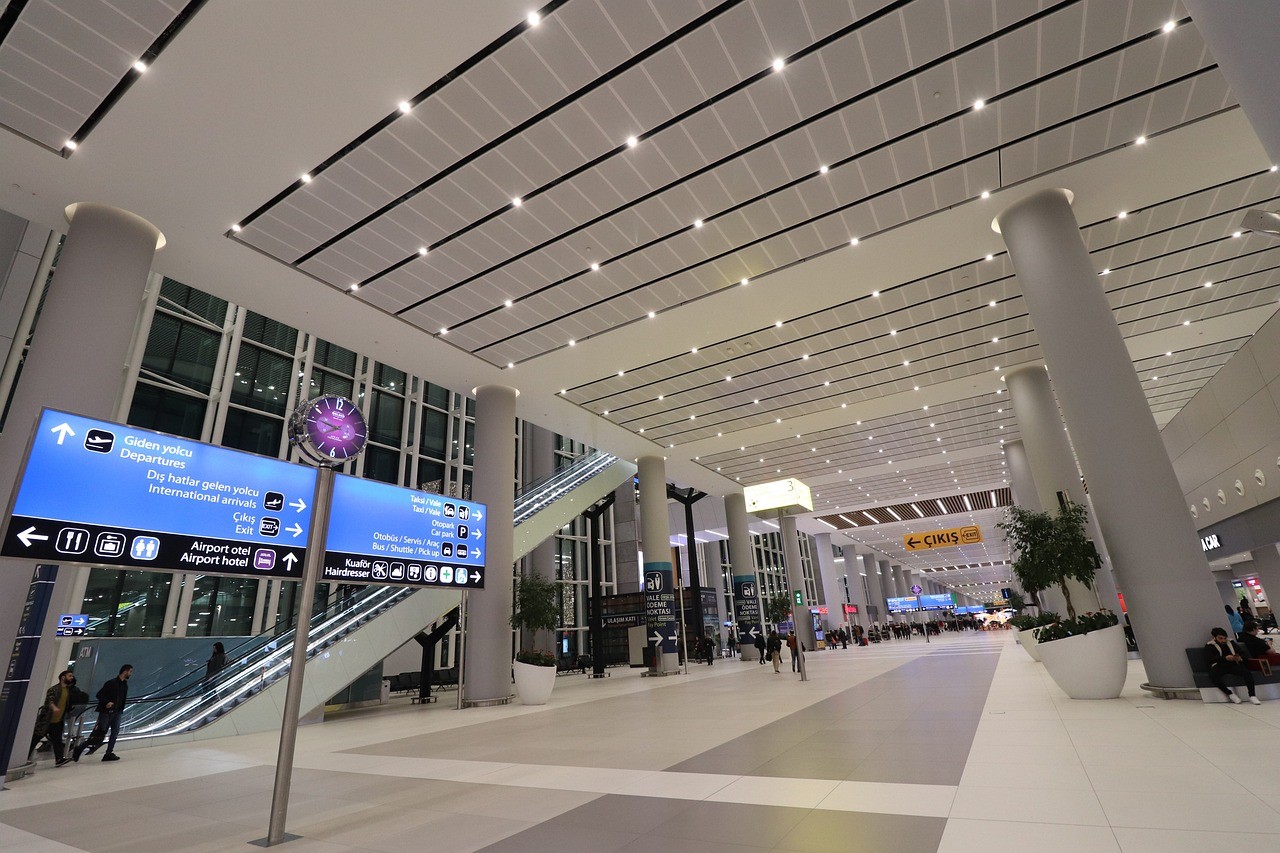
Hundreds of buildings in Turkey have the Leed Certificate. One of them is the Sabiha Gökçen Airport Terminal Building. The building holds a gold certificate with 66 points.
The building was analyzed for energy efficiency, and the status of existing systems and equipment was evaluated. To ensure these offer optimum efficiency, low-cost improvements were initially made. In addition, a more comprehensive development program was prepared to be implemented in the future.
An inventory of greenhouse gases was established and tracked in the terminal building. In this way, an emission rate suitable with the criteria was achieved. In order to contribute to environmental sustainability and energy efficiency in outdoor lighting, fixtures that do not create light pollution in the sky were selected. For indoor lighting, LED transition was carried out.
In addition, improvements of over 25% compared to green building standards were made in the water fixtures and water-consuming systems in the building. Furthermore, rainwater falling on hard surfaces was filtered and stored, and this water was used for landscaping.
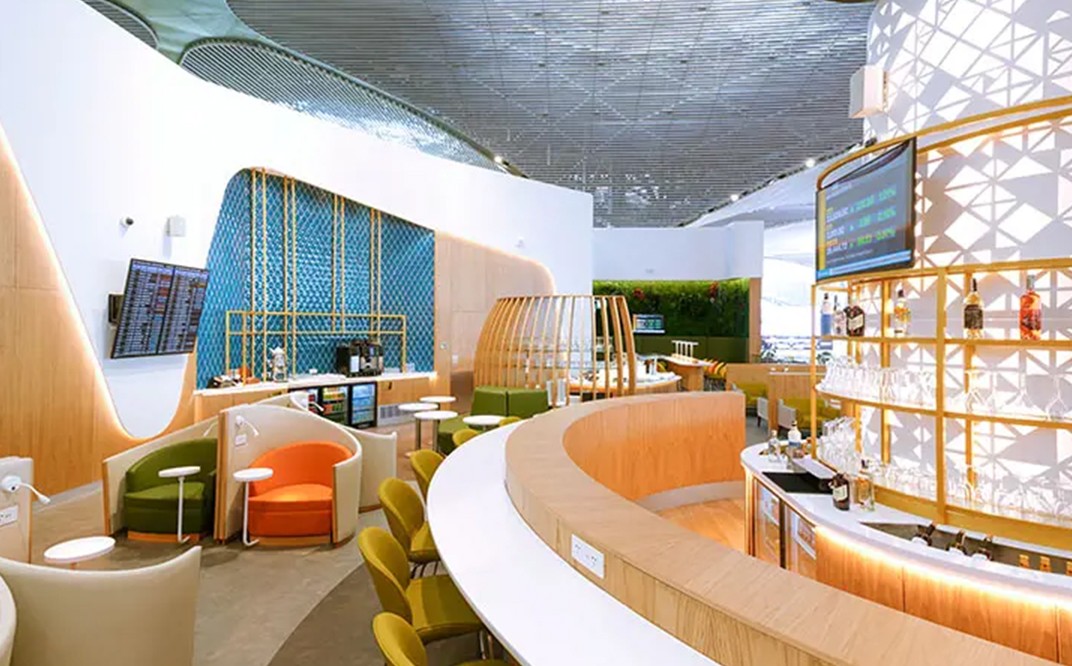
Similarly, Istanbul Airport Turkish Airlines Domestic Lounge and operations center buildings are also among the buildings with Leed certificates.
Steps such as minimizing carbon footprint, protecting natural resources, and paying attention to sustainability are extremely critical for a cleaner, greener, and healthier world. If you would like to learn your organization's carbon footprint without receiving any consultancy, you can choose QuickCarbon. Thanks to our software, which allows you to calculate and report corporate carbon footprint according to the ISO 14064-1: 2018 standard and the GHG protocol, you can determine strategies to reduce carbon emissions or evaluate their potential effects.
Get Started Now
Get in touch with us to get to know QuickCarbon better and to see how it can add value to your processes.
Contact Us